
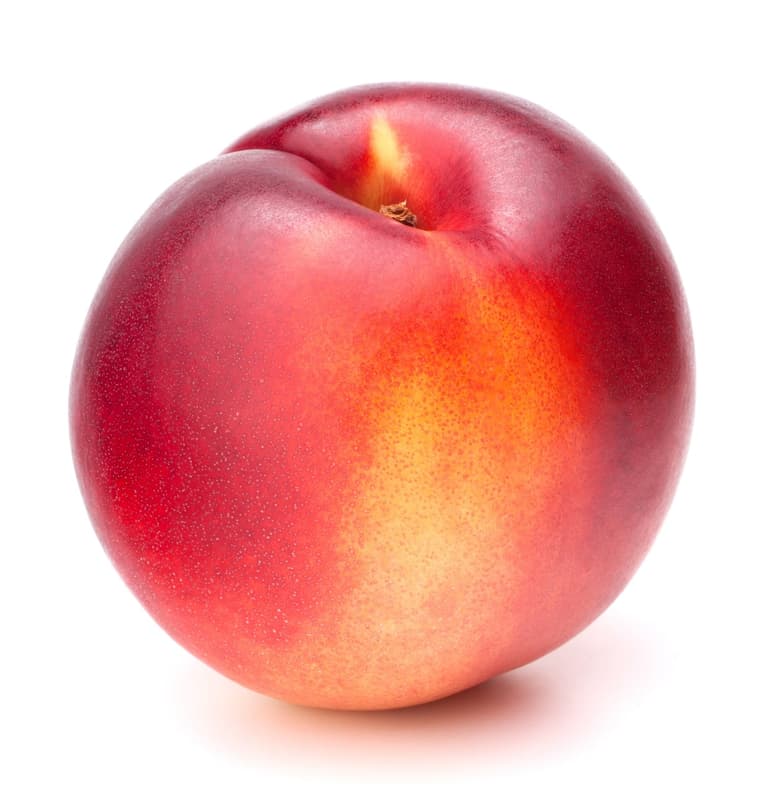
Nectarine, packed
284 customers have this product in their favourites
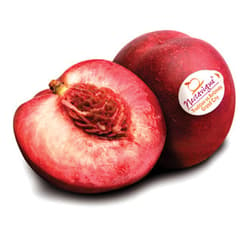
Enjoy these delicious, packaged Italian nectarines, delivered in a convenient 1 kg portion. Known for their sweet and slightly spicy flavor, these fruits feature a semi-firm flesh and edible skin. They are incredibly versatile—perfect for eating fresh, tossing into salads, grilling, or baking into desserts. Keep them chilled at 4°C to maintain their freshness, and enjoy a natural source of vitamins A and C.

 15 min








Country of origin
Description

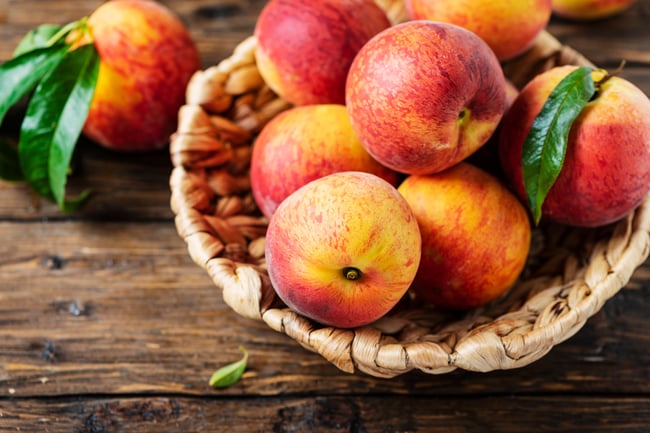
Nectarines grow on trees that can reach up to nine meters in height. They are popular for their edible skin, semi-firm flesh, and sweet, spicy flavor. They are considered a natural genetic mutation of the peach. The definitive origin of the nectarine is unknown. They are believed to be native to Central Asia and China, discovered growing as a natural mutation on a peach tree. Nectarines were presumably domesticated in China more than 4,000 years ago. Over time, the fruits traveled via trade routes to the Middle East, and eventually reached ancient Greece and Rome. Nectarines spread to the rest of Europe, arriving in England and Northern Europe in the late 16th and early 17th centuries. The fruits also made their way to the New World with the Spanish and were planted in California.
Interesting facts
Nectarines are an excellent source of vitamin C to strengthen the immune system, and vitamin A to maintain healthy organ function. The fruits also contain some fiber to regulate the digestive system, potassium to balance body fluid levels, folic acid to develop red blood cells, as well as other amounts of zinc, magnesium, copper, phosphorus, calcium, B vitamins, vitamin E, and vitamin K. It is important to note that the nectarine pit contains cyanide compounds, which are considered toxic if consumed in large quantities, so it should not be consumed.
Usage suggestions
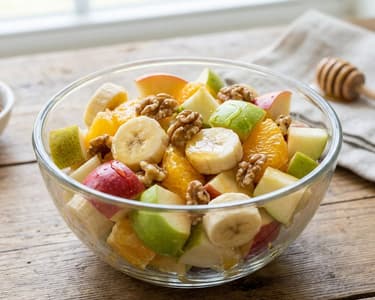
Nectarines have a sweet taste and can be used well fresh and cooked, for example for grilling, steaming, baking, roasting, or poaching. They can also be tossed into green salads, mixed into fruit bowls, layered on toast and bruschetta, spread on ice cream, blended into sorbet, or chopped into salsa. In addition to fresh preparations, nectarines can be used to substitute peaches in recipes, and can be pureed and cooked to make sauces, compotes, jellies, jams, and syrups.
Storage
Store refrigerated at 4°C.
Product Information
The information on the products presented here is for preliminary information purposes only; you will receive final information based on the label of the given product after receipt.