Mi az a ricotta, miben különbözik a túrótól és hogyan használjuk?
A ricotta az egyik legfélreértettebb tejtermék a magyar konyhákban. Sokan túróval helyettesítik, pedig a kettő más tejből, más eljárással és más céllal készül. Megmutatjuk, mi rejlik a fehér krém mögött, és hogyan hozd ki belőle a legtöbbet, a reggeli pirítóstól a vasárnapi lasagnéig.
Mi rejlik a fehér krém mögött?
Amikor egy olasz recept ricottát kér, nem egy extravagáns különlegességről van szó, hanem az egyik legegyszerűbb sajtféleségről, amit valaha kitaláltak. Érdemes tudni, miből és hogyan készül, mielőtt a kosaradba kerül.
A ricotta névadója maga a készítési módja, olaszul annyit tesz, hogy újrafőzött. A sajtkészítés után visszamaradt savóból főzik újra, magas hőfokon, amitől a benne maradt fehérjék finom, pelyhes szemcsékké állnak össze. Ez alapjaiban különbözik a klasszikus sajtkészítéstől, ahol a tejet oltóval alvasztják meg. A ricotta ezért technikailag nem is sajt a szó szoros értelmében, hanem savótermék, bár a boltok polcain mindig a sajtok között találod.
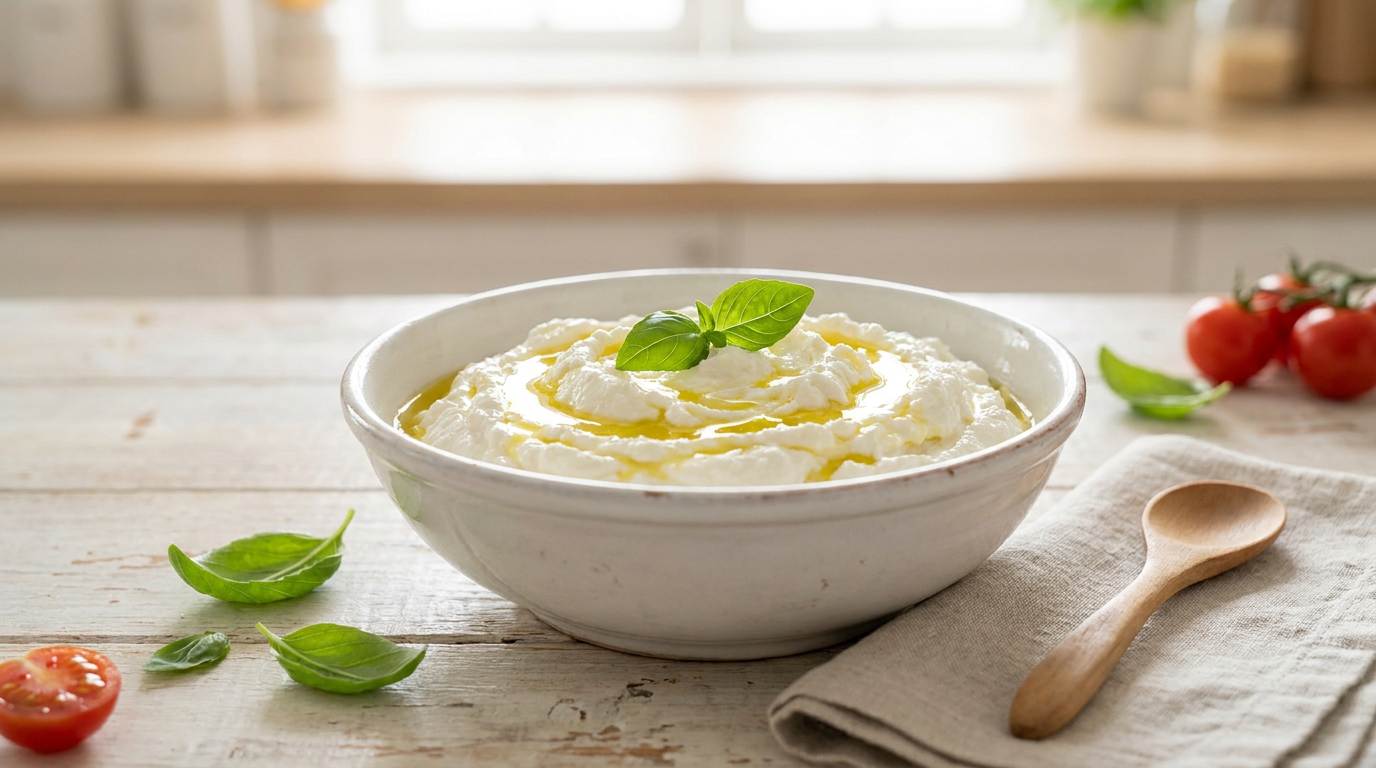
Az eredmény egy krémes, enyhén édeskés, alig sós textúra, ami önmagában is finom egy kanállal elfogyasztva, de a legjobb barátja is bármilyen ízesítésnek. Mivel zsírtartalma jóval alacsonyabb, mint egy érlelt kemény sajté, könnyed választás marad akkor is, ha valaki figyel a bevitt kalóriákra. A hagyományos olasz ricotta tehéntejből, juhtejből vagy akár bivalytejből is készülhet, ez adja az apró ízbeli különbségeket a boltokban kapható termékek között.
A Miil Ricotta pontosan ezt az élményt hozza haza kanalanként. Sima, krémes állagú, semleges alapíz, ami tökéletes vászon bármilyen fűszerezéshez.
Ricotta vagy túró? Nem ugyanaz a kettő
A magyar konyhában megszokott mozdulat, hogy ha egy recept krémes fehér sajtot kér, a kezünk önműködően a túró felé nyúl. Ricotta esetén ez a reflex néha működik, néha viszont az egész fogást elrontja.
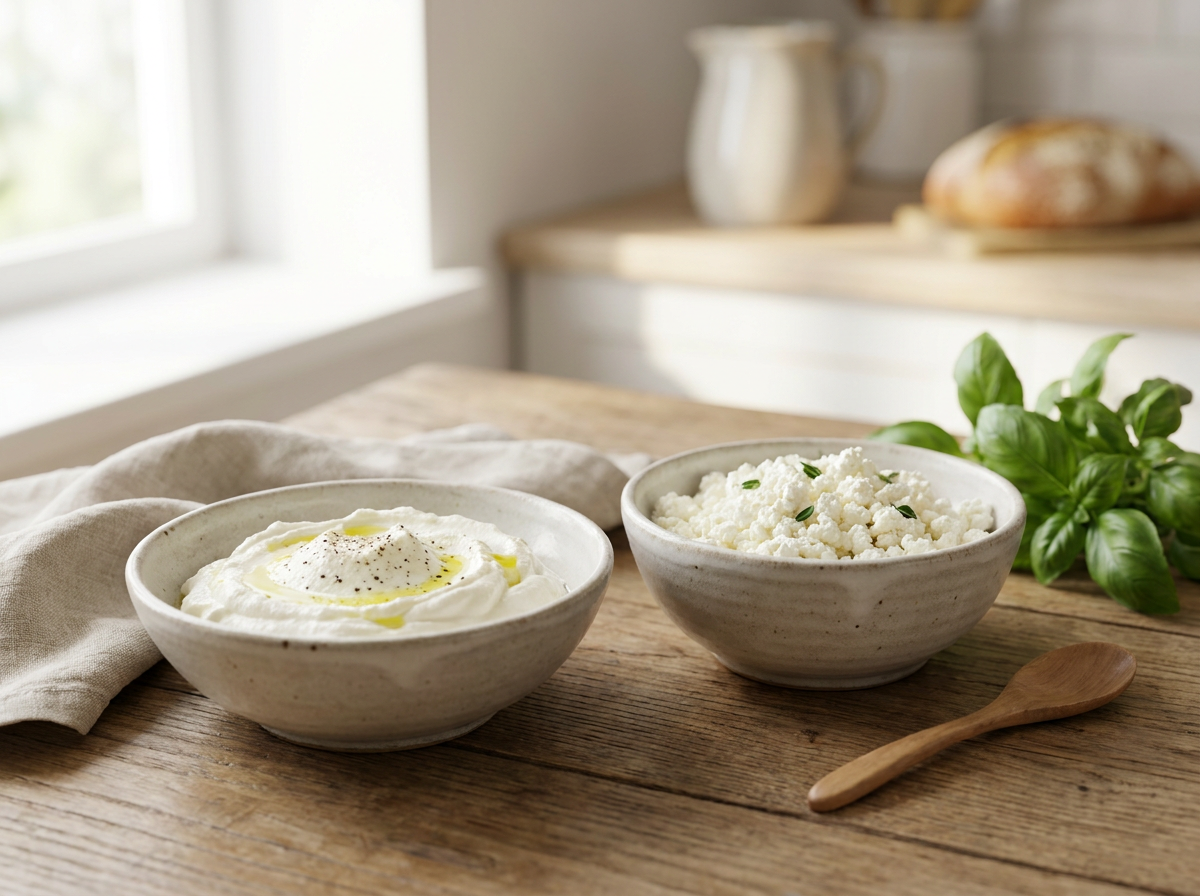
A túró, és annak rokona, a cottage cheese, tejsavas erjesztéssel készül, a tejben lévő fehérjék az erjedés hatására alvadnak meg, majd a savót leszűrik. Ez rögösebb, savanykásabb, sűrűbb terméket ad, amiben jóval több a fehérje. A ricotta ezzel szemben, mint az előbb írtuk, hőkezeléssel a savóból készül, ezért lágyabb, édeskésebb és lazább szerkezetű.
Ez a különbség a tányéron is érezhető. Egy rakott tésztában a túró határozottabb, savanykásabb ízt ad, míg a ricotta krémesebb, diszkrétebb hátteret biztosít, ami engedi érvényesülni a fűszereket és a szószt. Édes sütiknél a túró nedvesebb, tömörebb tésztát eredményez, a ricotta viszont könnyedebb, szinte felhőszerű állagot ad, gondolj csak a klasszikus olasz cheesecake-re.
Sós kaland: tészták és rakott ételek
Itt mutatja meg igazán, mire képes a ricotta. Az olasz konyha sós fogásainak nagy része erre a krémes alapanyagra épül, és néhány trükkel te is percek alatt éttermi szintre emeled a vacsorát.
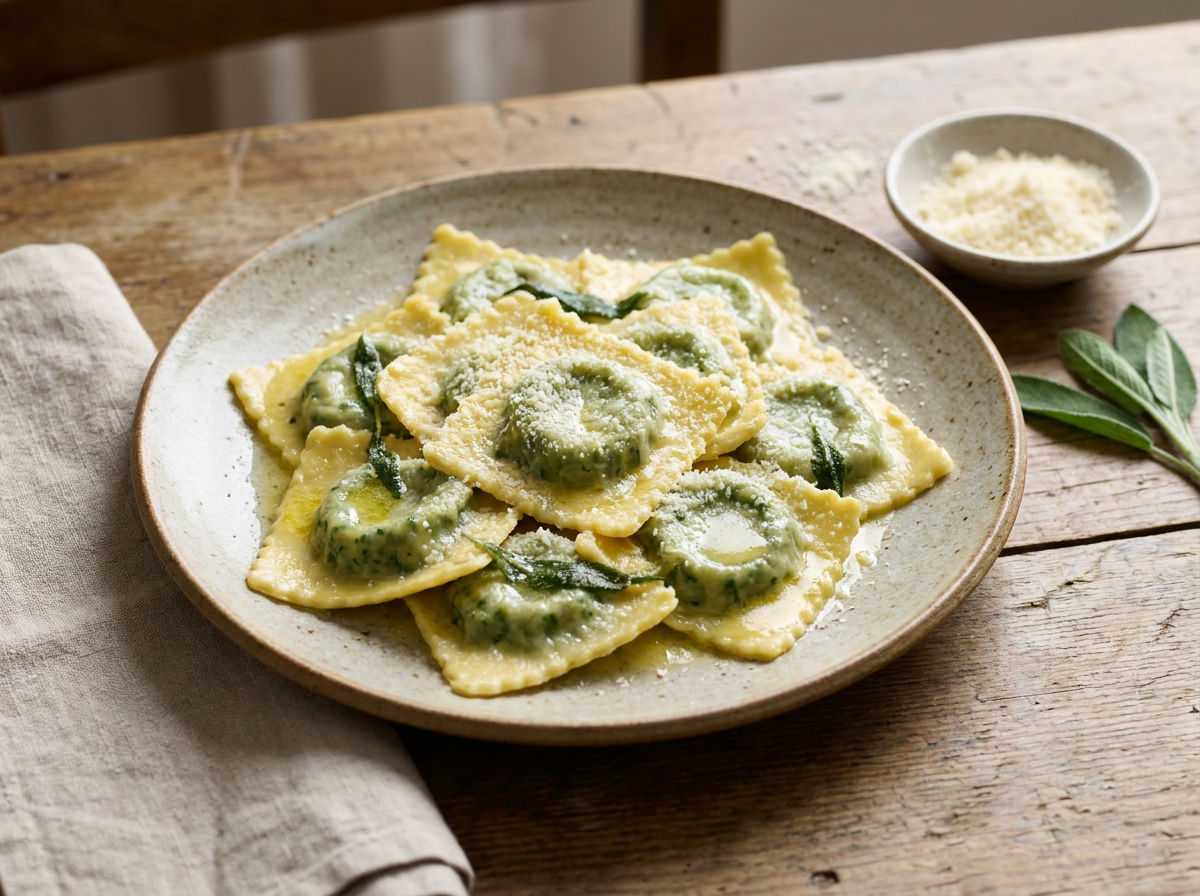
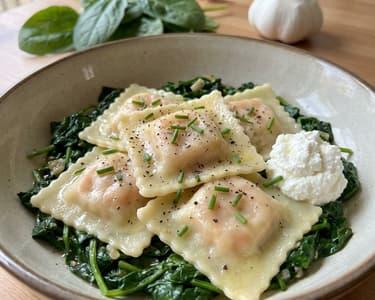
A legismertebb szerep a töltelék. Cannelloniban, raviolikban vagy a klasszikus lasagnéban a ricotta parmezánnal, egy csipet szerecsendióval és friss spenóttal keverve adja a krémes réteget a paradicsomos vagy besamelmártás mellé. Mivel nem enged annyi nedvességet, mint a túró, a tészta nem ázik el sütés közben, és a rétegek szépen tartják a formájukat.
Rakott tésztákhoz elég, ha a ricottát egy villával fellazítod, ízesíted sóval, borssal, egy kevés reszelt parmezánnal, majd rétegezed a tésztalapok közé. Ha extra krémességre vágysz, keverj hozzá egy kanál tejszínt vagy egy tojást, ez segít összekötni a réteget sütés közben.
Pizzán is remekül teljesít, kanalanként pöttyintve a paradicsomos alapra, sajttal és zöldségekkel megsütve olyan krémes gócpontokat hoz létre, amit egyetlen más sajt sem tud reprodukálni. Kenyérre kenve, egy kis olívaolajjal és fűszernövénnyel meglocsolva pillanatok alatt elkészülő előétel vagy gyors vacsora is kikerekedik belőle.
 60 min
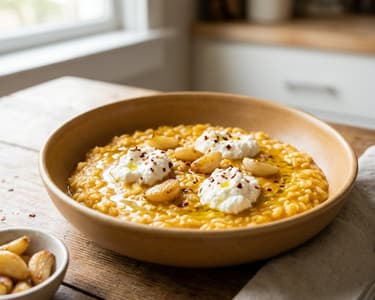
Édes reggelek és desszertek
A ricotta nem csak a sós konyha sztárja. Lágy, enyhén édeskés alapíze miatt a reggelik és desszertek világában is otthonosan mozog, és sokkal könnyedebb hatást ad, mint egy klasszikus mascarpone vagy vajkrém.
A legegyszerűbb út a habos ricottás pirítós, villával vagy még jobb, botmixerrel simára kevert ricotta, egy csipet só, egy kevés méz vagy juharszirup, kenyérre kenve, friss gyümölccsel vagy zöldfűszerrel a tetején. Öt perc, és kész egy olyan reggeli, ami tényleg jóllakat.
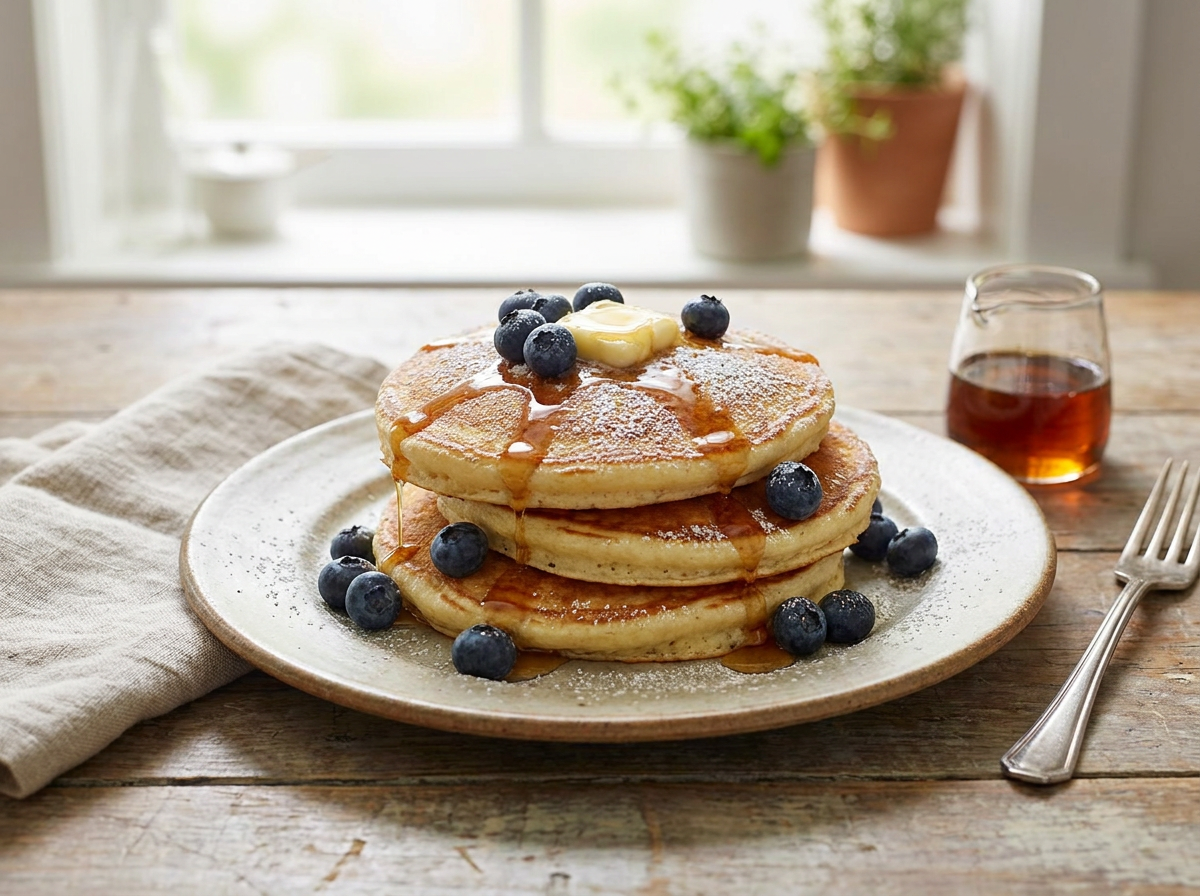
Palacsintába keverve a ricotta hihetetlenül pihe-puha tésztát eredményez, mert a klasszikus tejes verzióhoz képest kevesebb folyadékot visz be, miközben plusz fehérjét ad. Süteményekben, mint az olasz cheesecake vagy a cannoli töltelék, a ricottát általában leszűrik, hogy megszabaduljanak a felesleges nedvességtől, ez adja azt a jellegzetes, szinte habkönnyű állagot, ami miatt annyira szeretik a desszertrajongók.
Ha édesített változatra vágysz gyorsan, egyszerűen keverj a ricottába egy kevés porcukrot, vaníliát és citromhéjat. Tökéletes töltelék palacsintába, de önmagában, egy kanál lekvárral is megállja a helyét.