
Hogyan és mit egyen az 1 éves baba?
Hogyan és mit egyen az 1 éves baba?
Az egy éves kor nagy fordulópont gyermekünk életében! Sok baba önállósodik igazán ebben az időszakban, átalakulnak az alvási szokások, gyakoribbak lesznek az önállósodással összefüggésbe hozható hisztik, és bizony nagy változások következhetnek be gyermekünk étkezési szokásaiban is.
Erre az életkorra a babák zöme már igen változatosan étkezik és sok alapanyagot ismer. Ideje hát a táplálkozásba némi rendszerességet és biztonságot is belevinni. Hogy mire is gondolok pontosan?
Egy étkezési ütemtervre.
Miért fontos, hogy időhöz kössük az étkezéseket?
Az egy éves picik életében nagyon fontos az időzítés és a rutin: az ismerős dolgok adnak ugyanis biztonságérzetet a folyamatos változások mellett. (Amely a kicsiket szintúgy megviseli, mint a szülőket!)
Az étkezések remek keretet adnak a baba egy napjának, aki így jobban érzi és érti a különböző cselekvések áramlását. Noha egy 1 éves pici még természetesen mit sem tud az óráról, azt hamar megérti, hogy mi a napi menetrend: “most felkeltünk, most eszünk, most játszunk, most jön egy kis snack” és így tovább.
Így pedig, hogy lekerül a “mindent vagy semmit” nyomás egy-egy étkezésről - hiszen nem gond, ha a baba nem eszik meg mindent maradéktalanul, hiszen pár óra múlva ismét kap ételt - több tér marad a kísérletezésre és az újabb és újabb alapanyagok megismertetésére.
A gyerekek hamar ráéreznek erre a napi rutinra, amely kényelmet és lehetőséget ad a számukra, hogy felfedezzék saját preferenciáikat és korlátaikat ezen megszokások mentén, és nagyobb teret biztosít a szülőknek is a kísérletezésre, hiszen nem kell azon aggódni, hogy egész nap éhen marad a baba.
No de mi legyen a szoptatásokkal, vagy a tápszeres etetéssel ebben az átmeneti időszakban?
Természetesen a tápszert, vagy az anyatejet sok esetben nem tudjuk csak úgy egyik napról a másikra elhagyni, vagy egy étkezéssel kiváltani. Nem is kell!
Az, hogy hogyan illesztjük be ezeket a köztes szösszeneteket a napi rutinba, leginkább tőlünk és babánktól függ. Fontos azonban, hogy ezek a folyadékok szintén jóllakottság érzetet keltenek, ezért a valódi étkezések rovására mehetnek, így érdemes őket azok helyett, vagy azok után időzíteni.
Természetesen ma már jól tudjuk, hogy a szoptatásnak rengeteg jótékony hatása van a baba egy éves kora után is, így semmiképpen sem javaslom, hogy egyik pillanatról a másikra hagyjuk el - hacsak nem mi magunk, vagy épp gyermekünk dönt úgy!
Kicsit más a helyzet a tápszerrel, amelyet érdemes egy éves kor után tehéntejre felváltani. Ez egyrészt ez egy sokkal költséghatékonyabb megoldás, másrészt a tápszerek zöme is tartalmaz hozzáadott cukrot - amelyet így sikerrel kivonhatunk a napi étrendből.
A tehéntejre való áttérésre sajnos szintén nincsen egyetemes recept: a megfelelő stratégiához valószínűleg mi magunk ismerjük leginkább gyermekünket. Vannak babák, akiknék a fokozatosság és a türelem, míg másoknál a hirtelen váltás működik jobban. Akárhogy is, legyünk rugalmasak, de kitartóak és következetesek!
Tehát hogyan is nézzen ki egy 1 éves baba étkezése?
Ebben a korban gyermekünk már ugyanúgy részt vehet az asztali étkezésekben, mint a család többi tagja. Természetesen még sokat kell tanulnia, és nekünk is sok mindenre oda kell figyelnünk: a fulladásveszély kockázata miatt több fogást csak módosított textúrával, pépesítve, vagy nagyon apróra szeletelve ehet a baba (a fulladásveszélyes alapanyagokról ebben a cikkben olvashattok), illetve főzéskor továbbra is figyelembe kell vennünk azt, hogy mik azok az alapanyagok, amelyeket már bevezettünk a baba étrendjébe és mik azok, amiket még nem.
Az elkerülhető veszélyek kivédése miatt fontos, hogy gyermekünk megfelelő etetőszékben üljön asztalhoz, és se az ő figyelmét, se a miénket ne vonja el valami villogó monitor, vagy egyéb ingerek. Ha az etetőszék idővel kicsinek bizonyul, használhatunk ülésmagasítót, vagy egyéb, biztonságos alternatívát is. A lényeg, hogy a gyermek továbbra is stabilan, biztonságosan üljön, és ne mászkáljon el az asztaltól evés közben.
1 éves korban a korban a baba már javában gyakorolhatja a - direkt erre az életkorra kialakított - tányérból való önálló evést, és - ha eddig nem tettük - megkezdhetjük a cumisüvegről a különböző poharakra való áttérést is.
Fontos, hogy az étkezések közötti folyadékpótlásra vizet, esetleg tejet kínáljunk gyermekünknek, a cukros italokat érdemes minél tovább minél messzebb kerülni! (Arról, hogy mit adhatsz inni a babának itt olvashatsz.)
Milyen ételeket tartalmazzon az 1 éves korú baba napi étrendje?
Noha a a cél az lenne, hogy a gyermekünk étrendje ne különbözzön a miénktől (és így ne kelljen külön főzőcskézni), a legfontosabb, hogy olyan alapanyagokból főzzünk, amelyek jótékonyan segítik a baba - ebben a korban még rendkívül gyors - fejlődését és növekedését. Ezért érdemes minden étkezést úgy megtervezni, hogy az mindenképpen tartalmazzon összetevőket az alábbi 3 kategóriából:
- Vasban gazdag alapanyagok
- Magas kalóriatartalmú alapanyagok
- Zöldségek és gyümölcsök
1, Vasban gazdag alapanyagok
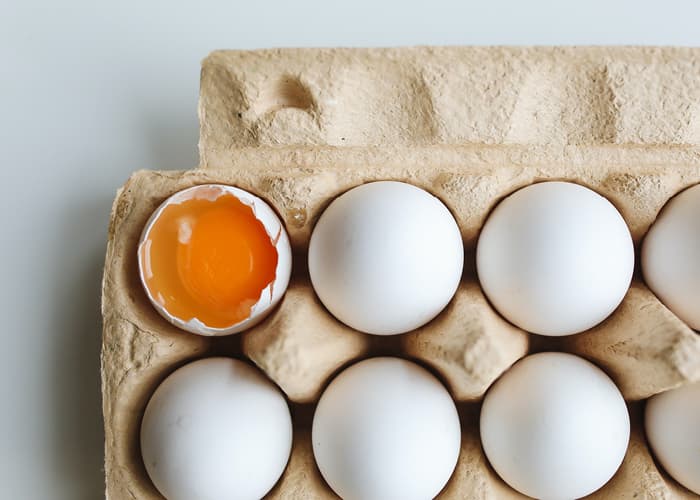
A vas az egyik legfontosabb eleme a babák agyi fejlődésének, ezért fontos, hogy az étrend megfelelő mennyiségben tartalmazza azt. Vasban gazdag ételek zöme fehérjében is bővelkedik, ezért a fehérje miatt külön nem érdemes aggódnunk.
Vasat tartalmazó ételek lehetnek: máj, vörös húsok, hal, tojás, szárnyasok, hüvelyesek.
2, Magas kalóriatartalmú alapanyagok
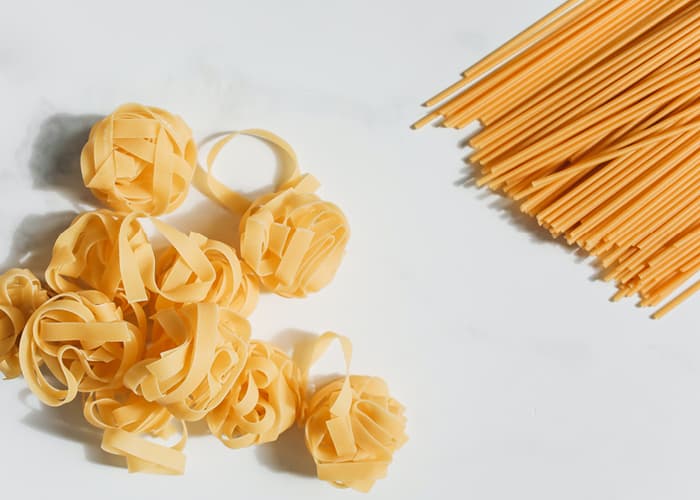
A magas kalóriatartalmú alapanyagoknál gondolhatunk akár a zsírban, akár a szénhidrátban gazdag ételekre is. Ez a kategória az, amivel nem szokott gond lenni, hiszen a legtöbb gyerek örömmel eszi például a tésztát, kenyeret, tejtermékeket.
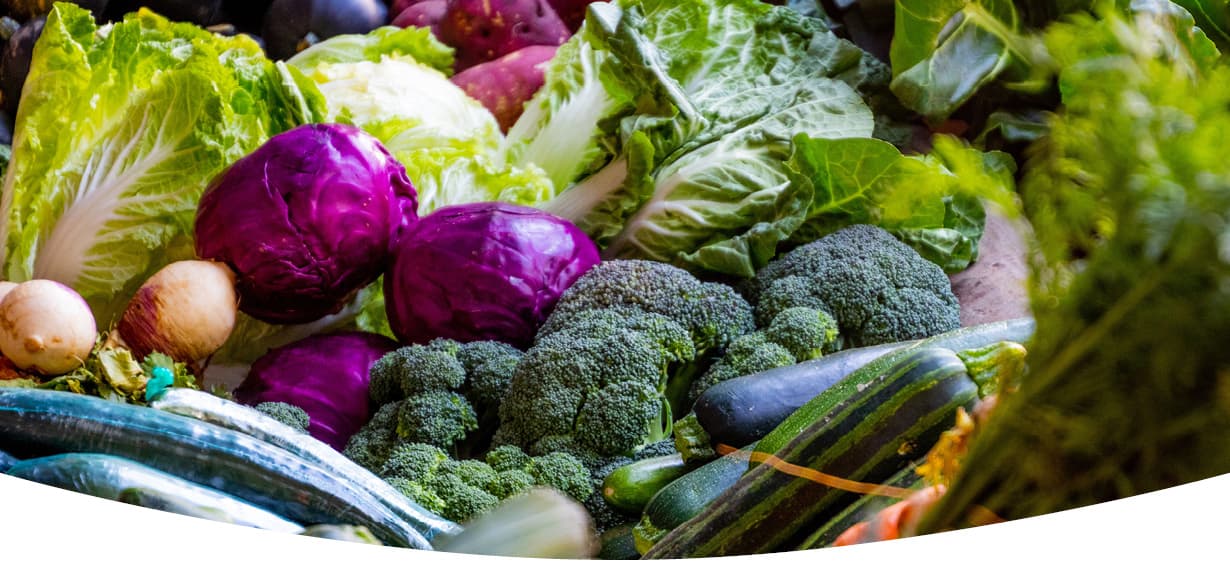
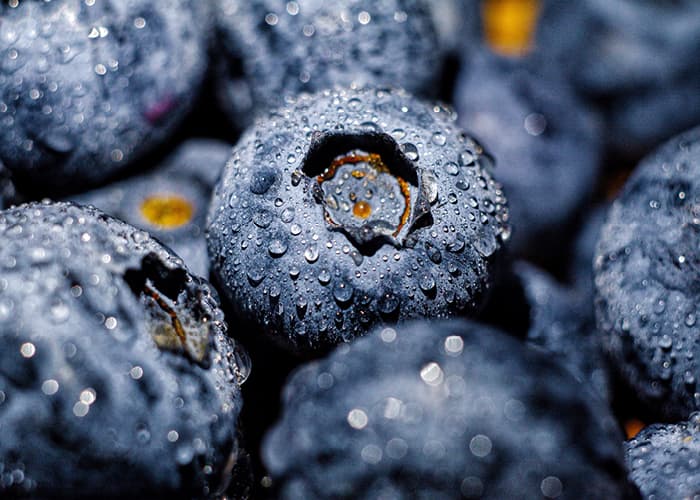
3, Zöldségek és gyümölcsök
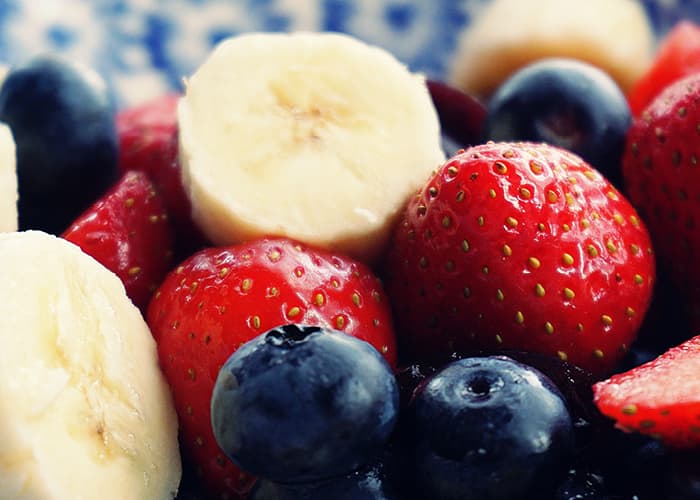
A megfelelő mennyiségű zöldség és gyümölcs bevitelre sajnos a legtöbb felnőttnek is oda kell figyelnie, ezért csak jót teszünk azzal, ha már ilyen pici korban hozzászoktatjuk gyermekünket ezen finomságok változatos és gyakori fogyasztásához.
Mi történik, ha nem eszi meg gyermekem az elé kitett ételeket?
A legfontosabb, hogy inkább kisebb mennyiségben kínáljunk változatos alapanyagú ételeket az étkezőasztalnál! Ha mindig így teszünk, lehetőséget adunk gyermekünknek arra, hogy maga fedezze fel, hogy mi az amit szeret és mi az, amit nem. Ezzel megelőzhetjük a válogatósságot, és biztosabbak lehetünk benne, hogy összességében minden fontosabb alapanyagból elegendő mennyiség jut a kicsi szervezetébe.
Nem kell - és nem szabad - kétségbe esnünk, ha nem arat minden fogás osztatlan sikert, vagy nem tűnik el minden a tányérról! Ha nyaggatásba fordul át az evés, azzal nem nyerünk - csakis veszítünk.
Amennyiben azonban úgy ítéljük, hogy gyermekünk nagyon válogat és nem eszik jól, mindenképpen forduljunk szakemberhez tanácsért!
