
Homemade chestnut puree with whipped cream: The most beloved dessert of autumn and winter
When the weather turns chilly outside and the trees turn to gold, nothing warms our souls better than an airy, rum-infused chestnut purée served in an elegant dessert glass. Discover the classic Hungarian café atmosphere in your own kitchen, learn the secret to the perfect texture, and find out how to turn simple ingredients into an unforgettable festive delicacy.
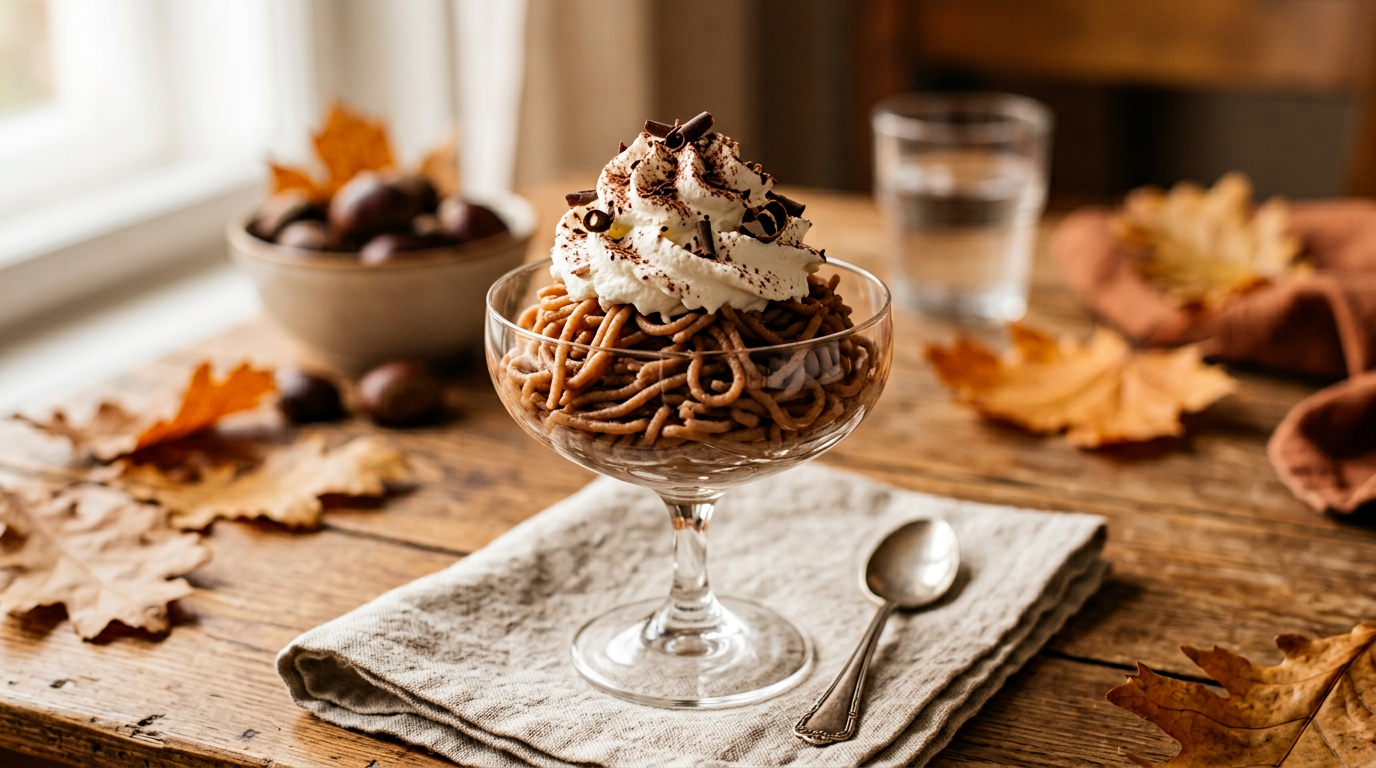
The nostalgic queen of the autumn and winter season: the magic of chestnut puree
Few desserts in the Carpathian Basin evoke as many childhood memories, Sunday family lunches, and nostalgic afternoons in traditional pastry shops as authentic chestnut puree with whipped cream. From the start of the autumn chestnut harvest all the way to the end of winter, it is an essential treat in our kitchens, as the silky, full, and naturally sweet flavour of sweet chestnuts provides an incomparably rich taste experience.
Made from the classic chestnut selection, this delicacy is experiencing a true renaissance. While decades ago we almost exclusively encountered dense, heavy pastry shop versions, today, thanks to conscious ingredient choices, we can tailor the recipe to be exactly as we like. Whether it is a light afternoon indulgence, an elegant finale to a dinner with friends, or a quick weekday treat, chestnut puree never disappoints.
The secret of chestnuts: Sweet chestnuts are not only wonderfully delicious, but also nutritious. Rich in fibre and naturally gluten-free, their fat content is much lower than that of other nuts, making them the perfect base for lighter yet indulgent autumn desserts.
The secret to a genuine gastronomic experience lies in freshness and the perfect harmony of proportions. If the chestnut puree is not dry, the hint of rum is not overpowering, and the whipped cream is made from real, cold-whipped heavy cream, the result is a wonderful dessert that could easily hold its own in any fine dining restaurant.
Plain or pre-sweetened: choosing the perfect chestnut puree
When ordering ingredients from Kifli, the first and most important decision is choosing your chestnut base. On the market, you will essentially encounter two types of products: plain, 100% sweet chestnut puree, and pre-sweetened, classic chestnut paste. Both have their place and role in the kitchen, depending on how much time you have and your personal taste.
Pure sweet chestnut with no added sugar or flavorings. You can decide the level of sweetness yourself using honey, maple syrup, or cane powdered sugar, allowing the pure, nutty chestnut flavor to shine through at its best.
The traditional favorite, already containing a finely tuned amount of sugar and a hint of rum aroma. A lightning-fast solution, as after thawing it is almost immediately ready to be served or shaped.
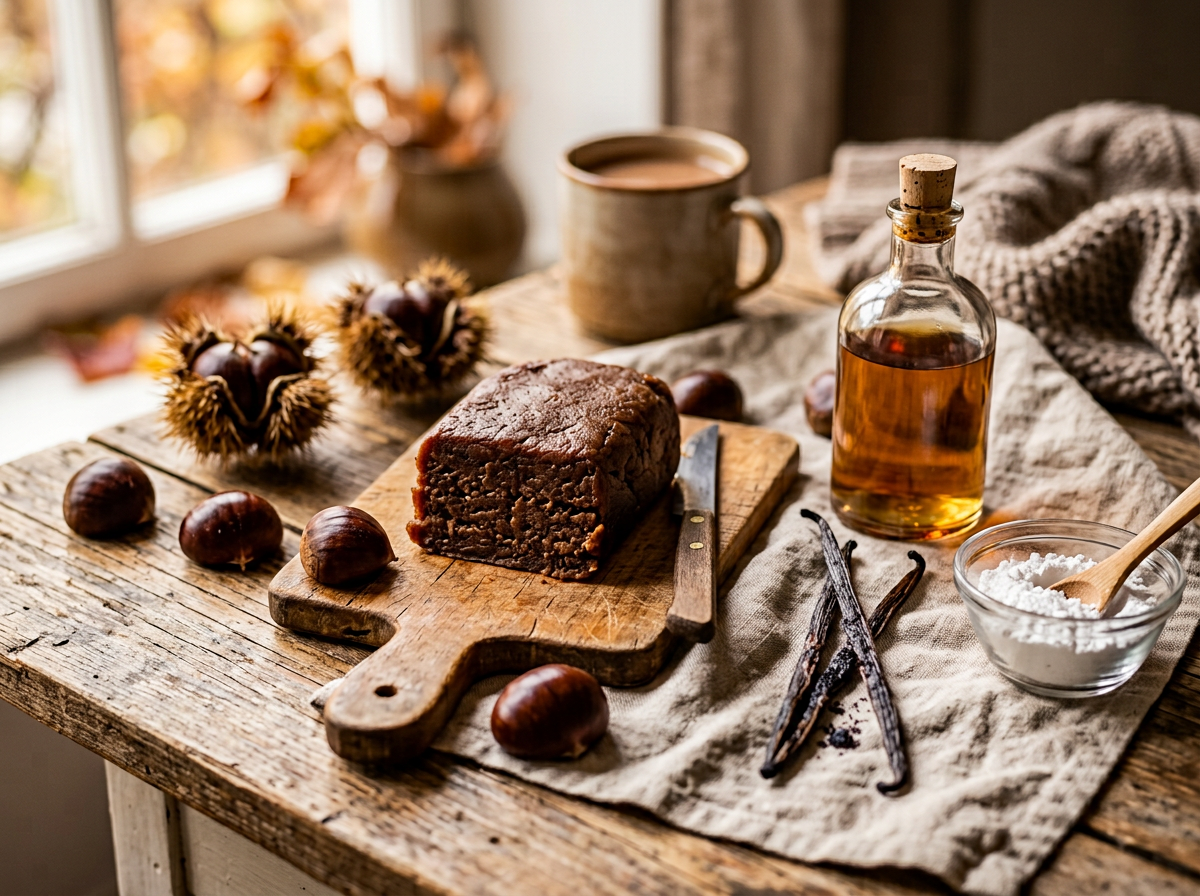
If you opt for the prepared paste, gentle thawing is the key to success. Never defrost frozen or vacuum-packed paste in the microwave or a hot water bath, as the edges will soften and turn watery while the center remains hard. The best method is to transfer it to the refrigerator the evening before use, where it will slowly and evenly regain its pliable, easy-to-shape texture.
In premium kitchens, a pinch of fine sea salt is often incorporated when mixing. The salt will not make the dessert salty; instead, it brings out the deep, roasted aromas of the chestnut and balances the sweetness of the sugar to perfection.
Want to make it from whole sweet chestnuts? Here is how to roast and cook them at home
If you enjoy an authentic artisanal process, you can also make the puree base from whole sweet chestnuts. Score a cross onto the rounded side of the fresh chestnuts with a sharp knife, taking care not to cut too deeply into the flesh. Soak them in lukewarm water for at least half an hour so the shells soften and steam can form during roasting.
Spread the chestnuts on a baking sheet and roast in an oven preheated to 200 degrees for 20-25 minutes, until the shells open up and a pleasant roasted aroma fills the kitchen. Peel them while still hot, as once they cool, the thin inner skin sticks to the flesh. Then simmer the peeled chestnuts in vanilla-infused milk for 15 minutes until butter-soft, and puree with a fork or immersion blender into a silky smooth paste. This method delivers the most intense, freshest chestnut flavor.

Rum, Vanilla, and the Art of the Potato Ricer: The Secret to an Airy Texture
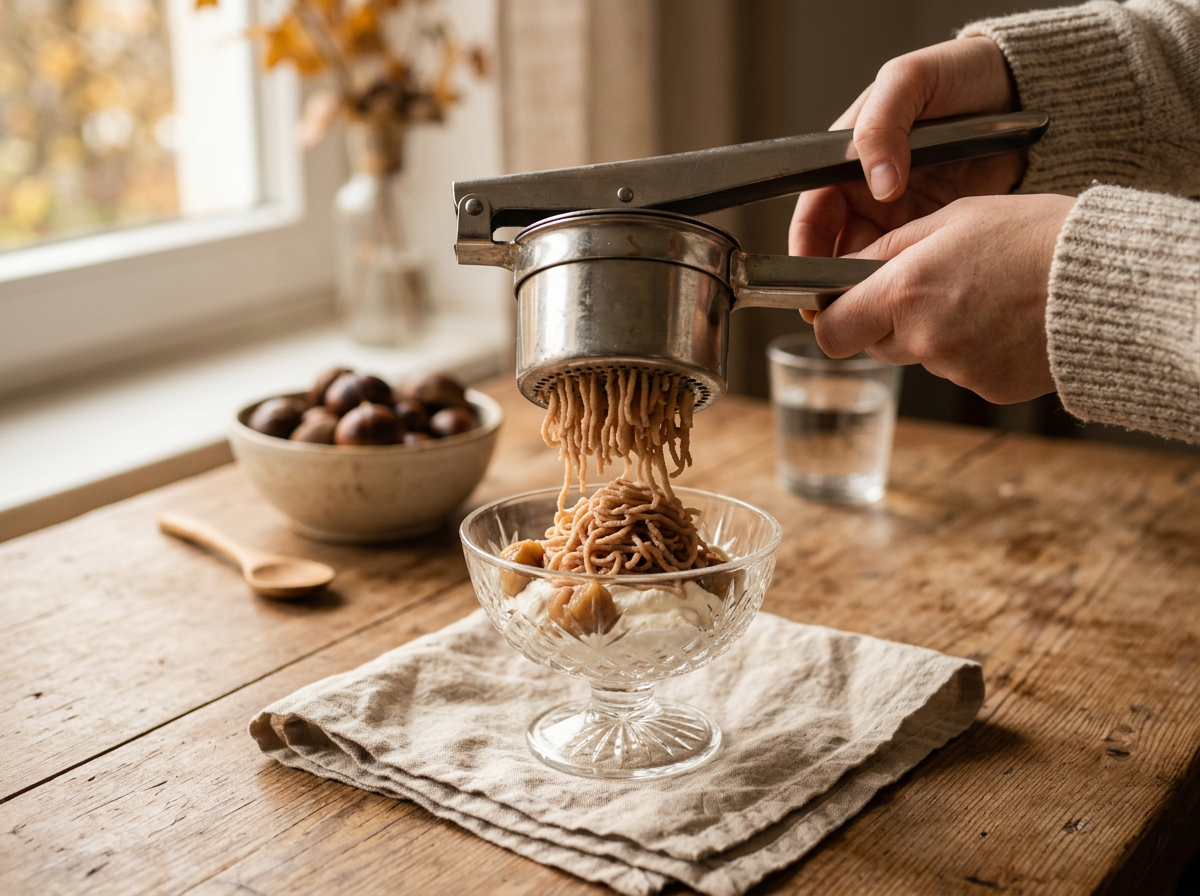
Half of the chestnut purée experience comes from its special seasoning, and the other half from its inimitable, light, vermicelli-like texture. Nobody wants to spoon dense, heavy lumps from the bottom of a glass: the goal is for the pressed chestnut strands to fall loosely and airily into the dessert cup, forming an almost cloud-like mound beneath the cold whipped cream.
The Master Recipe for Perfect Homemade Chestnut Purée
- 500 g plain or lightly sweetened chestnut paste
- 40-50 g fine icing sugar (only if using plain purée)
- 1 packet Bourbon vanilla sugar or the scraped seeds of 1 vanilla pod
- 2 tablespoons quality dark rum or rum flavouring
- 1 pinch sea salt to enhance the flavours
- 3 dl cold whipping cream (at least 33 percent)
- 1 coffee spoon icing sugar for the whipped cream
- 4 dkg 70 percent dark chocolate, grated for the top
- 12-16 pitted sour cherries for the bottom of the cup (optional)
When seasoning, quality home baking ingredients make the biggest difference. A premium dark rum or aromatic baking rum adds magnificent depth to the chestnut mixture. The alcohol content of the rum rounds out the roasted flavour of the chestnut, while the tiny black seeds and warm fragrance of real Bourbon vanilla lend it a truly festive aroma.
If you use unsweetened purée, always sweeten it gradually. Work the thawed chestnut purée together with the icing sugar, vanilla, and rum. If the mixture seems too dry, add one or two teaspoons of cold cream or milk until you achieve a soft, dough-like consistency that is not sticky.


 RUMLi rum
The cream in the glass: silky, 33% real whipping cream that won't collapse
Chestnut purée without whipped cream is like Christmas without a Christmas tree: simply incomplete. The contrast between the sweet, rich strands of chestnut and the soft, cool, silky cream creates the harmony that makes us love this dessert so much. However, there is a huge difference between store-bought plant-based spray creams and freshly whipped real whipping cream.
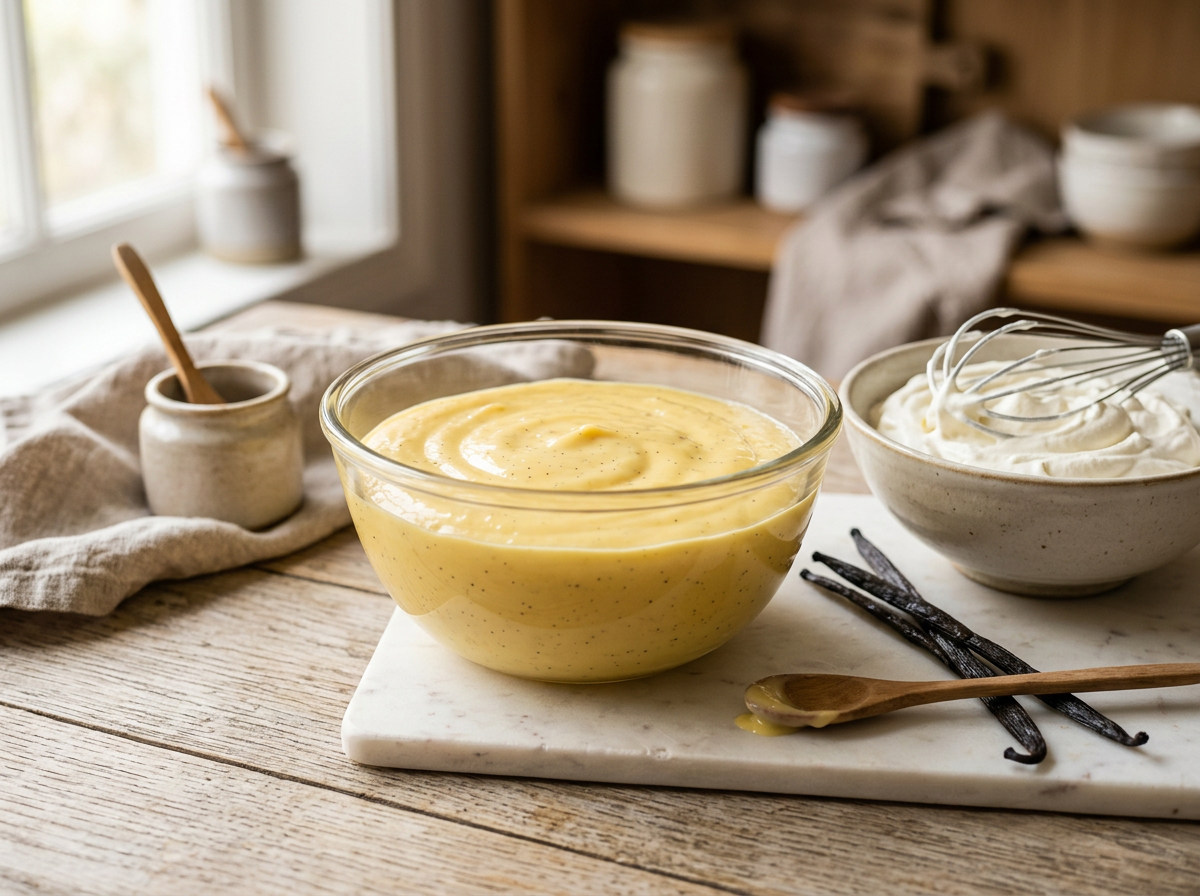
For flawless results, choose from the premium whipping creams available at Kifli, preferably with at least 30-33% fat content, such as the popular Miil cream. The high fat content is responsible for the thick, creamy texture and for ensuring that the whipped cream remains stable on top of the cup even after serving.
Golden rule: sweeten the cream only very minimally! Since chestnuts are inherently sweet, the whipped cream should serve as a refreshing, soft, and creamy counterpoint. For 2.5 decilitres of whipping cream, a single teaspoon of powdered sugar and a few drops of vanilla are enough to complement, rather than overpower, the natural nutty flavour of the chestnuts.
Rule of chilled utensils
Before whipping the cream, place the mixing bowl and beaters in the freezer for 10 minutes or in the refrigerator for half an hour. The cold surface prevents the fat molecules from breaking down prematurely, giving you rock-solid, long-lasting whipped cream in minutes.
Mind the timing
Start whipping on medium speed, then gradually increase the speed. As soon as the cream reaches stiff peaks, stop the mixer immediately! If you overwhip the cream, it can easily turn buttery and separate into buttermilk.


