
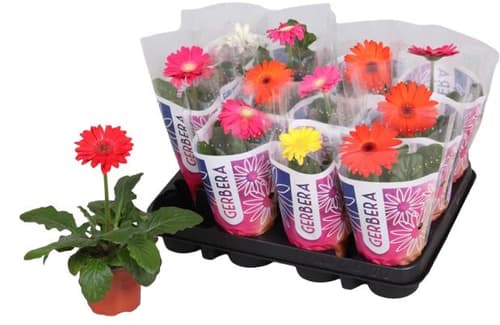

The gerbera's homeland is the tropical regions of Asia and South Africa. It was named after a German scientist, Traugott Gerber. Its flowering period is long, which is why it is popular. Its flower is beautiful and graceful, its foliage is untidy, and its edges resemble sawteeth. There are hundreds of cultivated varieties, which can be small-flowered to large-flowered, and these can be found in all sorts of colors.
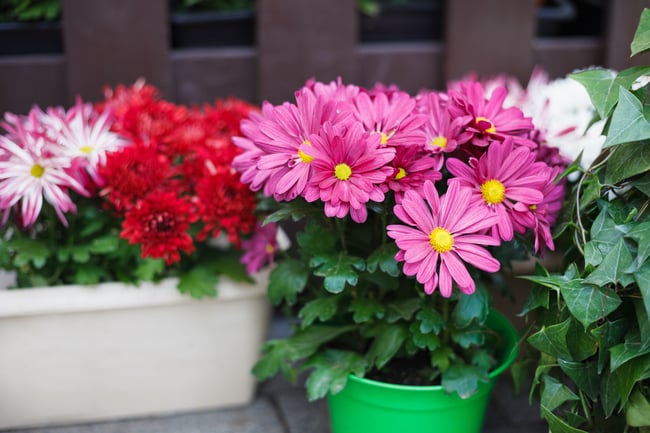
*The image is illustrative.
Interesting facts
It is a symbol of innocence and kindness, referring to pure emotions. It can signify helpfulness, so you can give it to a neighbor, sibling, or grandparent as a sign of gratitude. If you give someone a bouquet of gerberas, you express: "How good it is that I have you!". Don't you already appreciate all those gerbera bouquets your relatives showered you with much more?
Care
It requires a lot of light and can tolerate direct sun, but not drafts. An average temperature of 10-25°C is most suitable for it. In summer, you can even place it outdoors in a sunny spot. It has average water requirements, needing more water during the growing season. Let its soil dry out between two waterings, but keep it moist during the growing season. Fertilization is also recommended every two weeks during the growing season.
The purchased plant must always be repotted to ensure its long-term survival indoors. We recommend repotting them into a larger pot or container so that they feel comfortable in a heated apartment and do not wilt. It is important not to forget spraying (with water)!
Product information
The information provided here about the products is for preliminary guidance only; final information will be provided on the product label after you receive the product.