
Only a few items left
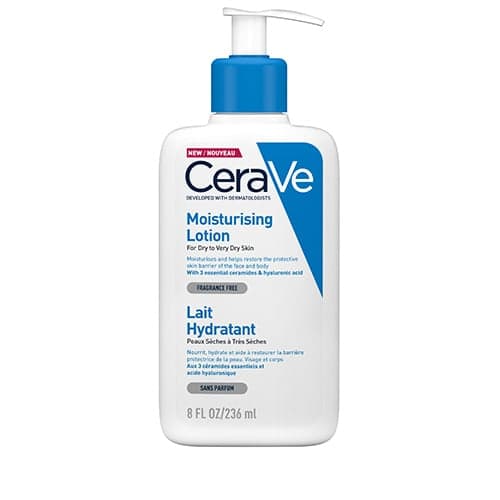
Treat your skin to the CeraVe Moisturizing Lotion, a lightweight dermocosmetic body milk designed for your daily beauty routine. This 236 ml lotion delivers up to 24 hours of continuous hydration. Formulated with 3 essential ceramides, it actively supports and protects your skin's natural barrier, leaving it feeling wonderfully soft, thoroughly nourished, and healthy all day long.
A kockázatokról és a mellékhatásokról olvassa el a betegtájékoztatót, vagy kérdezze meg kezelőorvosát, gyógyszerészét!
More from this brand
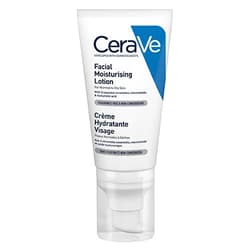
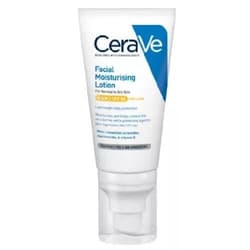
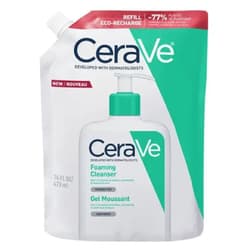
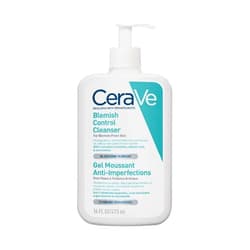
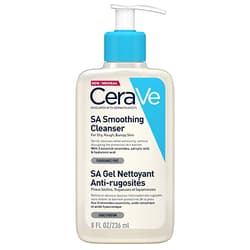
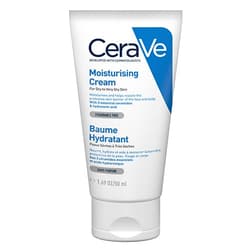
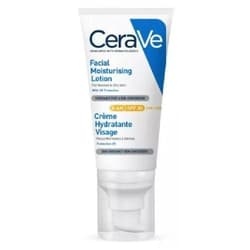
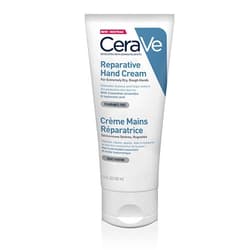
Similar products
Description

Lioton 1000 IU/g gel 50g
Heparin sodium
Read all of this leaflet carefully before you start using this medicine because it contains important information for you.
This medicine is available without prescription. However, you still need to use Lioton carefully to get the best results from it.
- Keep this leaflet. You may need to read it again.
- Ask your pharmacist if you need more information or advice.
- You must talk to a doctor if you do not feel better or if you feel worse after 4 weeks.
- If any of the side effects gets serious, or if you notice any side effects not listed in this leaflet, please tell your doctor or pharmacist.
What is Lioton and what is it used for?
The active substance in Lioton is heparin (in the form of heparin sodium).
Lioton gel is a medicine for application to the skin.
When applied to the affected area, heparin prevents the formation of blood clots in the superficial veins, improves microcirculation and reduces tissue swelling.
Lioton is used for:
· symptomatic treatment of superficial venous disorders (e.g. symptoms of varicose veins)
· prevention of complications of varicose veins (prevention of blood clot formation in the affected veins in the presence or absence of thrombophlebitis, and prevention of ulcer formation on the skin above the varicose area)
· relief of symptoms after vein surgery (e.g. bruising, swelling)
· relief of joint and muscle swelling and bruising caused by accident or sprain
Lioton can be used on its own when local treatment is indicated, or in combination with systemic therapies.
What you need to know before you use Lioton
Do not use Lioton:
- if you are allergic (hypersensitive) to heparin sodium or any of the other ingredients of Lioton.
- on open wounds
- on bleeding skin
- on areas not covered by skin (e.g. genitals, mouth)
- on infected skin
Warnings and precautions
Talk to your doctor or pharmacist before using Lioton
- if you have an increased tendency to bleed. In this case, your doctor should carefully consider whether to treat you with Lioton.
- if you develop signs and symptoms of allergy (hypersensitivity) after using Lioton. In this case, stop using the product immediately.
- If you have an open wound, bleeding skin, or a skin infection in the area to be treated: Lioton should not be used on such areas (see "Do not use Lioton" above).
Children and adolescents
Lioton is not recommended for use in children and adolescents because the safety and efficacy of the medicine have not been established in this age group.
Other medicines and Lioton
Take special care if you are taking an oral anticoagulant (a medicine to prevent blood clots).
In such cases, heparin may contribute to a prolongation of the blood clotting time.
Tell your doctor or pharmacist if you are taking, have recently taken or might take any other medicines, including medicines obtained without a prescription.
Pregnancy and breast-feeding
There are no specific data available on the use of Lioton during pregnancy or breast-feeding.
Ask your doctor or pharmacist for advice before taking any medicine.
Driving and using machines
Lioton has no influence on the ability to drive and use machines.
Important information about some of the ingredients of Lioton
Lioton contains methyl and propyl parahydroxybenzoate, which may cause allergic reactions (possibly delayed).
How to use Lioton
Always use Lioton exactly as your doctor has told you. Check with your doctor or pharmacist if you are not sure.
Dosage and method of administration
Lioton should be applied to intact skin.
Apply the gel (squeeze a 3-10 cm long strip from the tube) to the affected area 1-3 times a day and massage in gently.
Talk to a doctor if your symptoms worsen or do not improve within 4 weeks.
If you use more Lioton than you should
Overdosage of Lioton has not been reported.
If you forget to use Lioton
Apply as soon as you remember.
Do not use a double dose to make up for a forgotten dose.
If you have any further questions on the use of this medicine, ask your doctor or pharmacist.
Possible side effects
Like all medicines, Lioton can cause side effects, although not everybody gets them.
Very rarely, allergic reactions have been observed to heparin applied to the skin (very rare means that it affects less than 1 in 10,000 people).
In isolated cases (not known: frequency cannot be estimated from the available data), hypersensitivity reactions may occur, such as redness and itching.
These reactions usually disappear quickly after discontinuation of the product.
If any of the side effects gets serious, or if you notice any side effects not listed in this leaflet, please tell your doctor or pharmacist.
How to store Lioton
Keep this medicine out of the sight and reach of children.
Do not store above 25°C.
Do not use Lioton after the expiry date which is stated on the carton and the tube after EXP.
The expiry date refers to the last day of that month.
Do not throw away any medicines via wastewater or household waste.
Ask your pharmacist how to throw away medicines you no longer use.
These measures will help protect the environment.
Contents of the pack and other information
What Lioton contains
- The active substance is: 1000 IU heparin sodium in 1 g gel.
- The other ingredients are: carbomer 940, methyl parahydroxybenzoate, propyl parahydroxybenzoate, orange flower oil, lavender oil, ethanol, trolamine, purified water.
What Lioton looks like and contents of the pack
Lioton is a gel for application to the skin.
Lioton is a colourless or slightly yellowish, almost transparent, aromatic gel of gel-like consistency.
Lioton is available in tubes containing 20 g, 30 g, 50 g and 100 g gel.
Not all pack sizes may be marketed.
Marketing Authorisation Holder
A. Menarini Industrie Farmaceutiche Riunite S.R.L.
Via Sette Santi 3, 50131 Firenze, Italy
Manufacturer
A. Menarini Manufacturing Logistics and Services S. r. I., Via Sette Santi 3. 50131 Firenze, Italy
For any information about this medicine, please contact the local representative of the Marketing Authorisation Holder:
Berlin-Chemie/A. Menarini Kft.
2040 Budaörs Neumann János u. 1.
Tel.: (+36-23) 501-301
Fax: (+36-23) 501-300
OGYI-T-7245/01 Lioton 1000 IU/g gel 1x50 g
OGYI-T-7245/02 Lioton 1000 IU/g gel 1x100 g
OGYI-T-7245/03 Lioton 1000 IU/g gel 1x20 g
OGYI-T-7245/04 Lioton 1000 IU/g gel 1x30 g
Date of approval of the package leaflet: 30 June 2011