
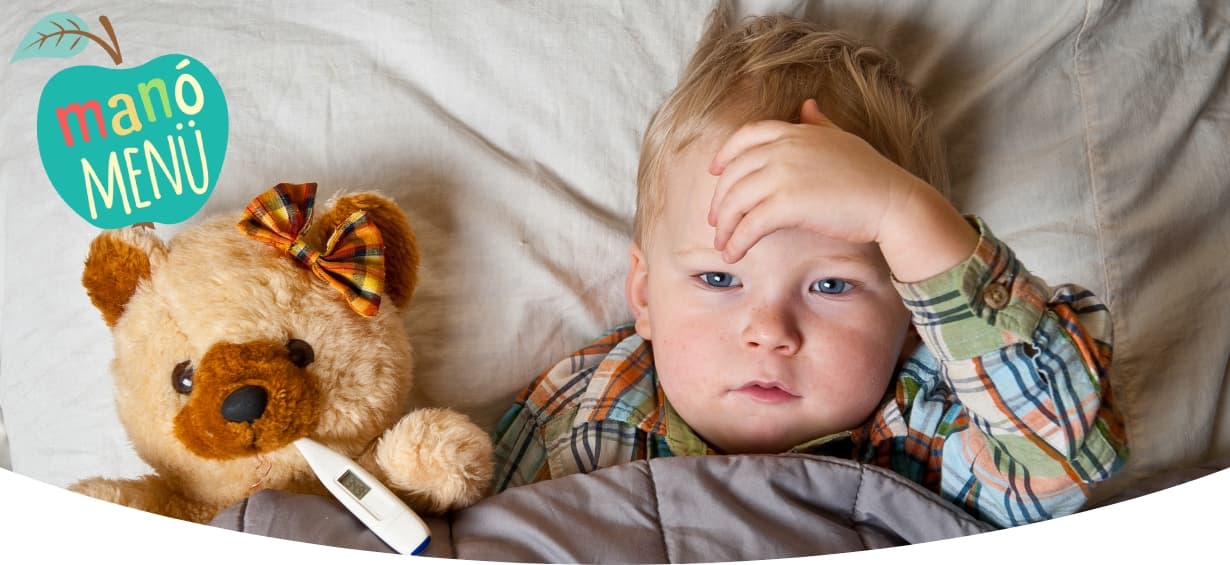
Mit egyen a gyermekünk, ha beteg?
Mit egyen a gyermekünk, ha beteg?
Az utóbbi hetek, hónapok betegség hullámai kapcsán bizony sok szülőben fogalmazódott meg a kérdés: mit egyen a gyermek, amikor beteg?
Függetlenül attól, hogy egy kis torokfájásról, gyomorrontásról vagy valami komolyabbról van szó, van néhány alapszabály, amit érdemes lehet észben tartanunk.
Előzzük meg a kiszáradást!
A legtöbb betegség étvágytalansággal jár (kicsik és nagyok esetében egyaránt), így aggódó szülőként könnyű a gyermek evésén aggódnunk… pedig a picik folyadékpótlása ilyenkor még fontosabb!
A kicsik ugyanis a betegség alatt hajlamosak kevesebb folyadékot is magukhoz venni, ami dehidratáltsághoz vezethet. Fokozottan igaz ez a hányást, hasmenést okozó megbetegedéseknél, ahol a folyadék visszapótlása még nehézkesebb.
A dehidratáltság tünetei lehetnek: a csemete a szokásosnál kevesebbet játszik, letargikusabb (ez persze a betegség velejárója is lehet), ritkábban pisil, kevesebb könnye jön sírás közben, a fejtetőn lévő ‘lágy foltja’ - ha még van neki - besüllyedt, a szája kiszáradt.
Ha azt tapasztaljuk, hogy a kicsi a szokásosnál is nyűgösebb és álmosabb, szeme beesett, ráncos a bőre és végtagjai hidegek, elszineződöttek, már súlyos kiszáradásról beszélhetünk.
Ha a dehidratáltság akár enyhébb jeleit is észleljük gyermekünkön a betegsége alatt, feltétlenül konzultáljunk gyermekorvosunkkal!
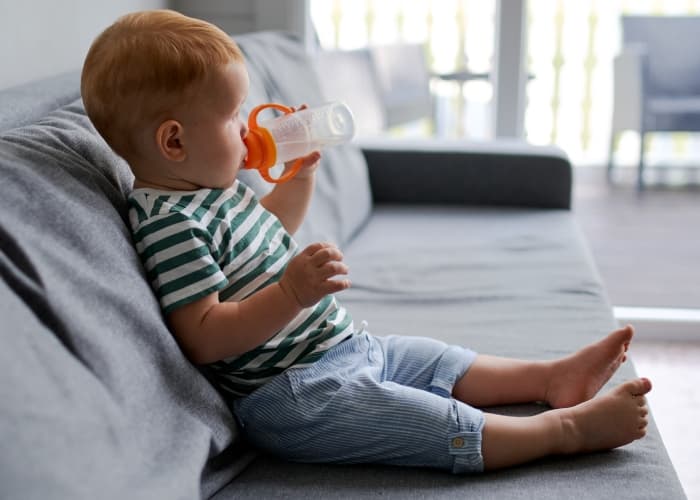
Hogyan pótolhatjuk az elvesztett folyadékot?
Már nagyanyáink is tudták, hogy betegség esetén a tea mindenre megoldás. A legjobb tehát, ha mi is rendszeresen kínáljuk csemeténket a kedvenc forró italával - ha az életkora már engedi, akár egy kis mézzel megédesítve.
Nemcsak a vitaminok, hanem a folyadékpótlás miatt lehet jó bizonyos zöldségek és gyümölcsök bevetése is: a cukkini, az uborka, a dinnyefélék, citrusfélék, lédúsabb almafélék vagy az eper mind-mind kiváló alternatívák erre.
Továbbá főzhetünk egy jó levest, illetve bátran kínáljuk a tejtermékeket is!
Fő a változatosság!
Napjainkig tartja magát az a szokás, hogy a beteg gyerkőcöket “kímélő diétára” fogjuk, kiváltképpen ha hányás, vagy hasmenés is szerepel a tünetek között. Ilyenkor krumpli, rizs, banán, keksz és hasonló alapanyagok szerepelnek elsődlegesen a menün.
Manapság azonban már tudjuk, hogy minderre semmi szükség, sőt! A cél a betegség idején is az, hogy változatos étrendet biztosítsunk csemeténknek, hiszen fokozottan szüksége van a kalóriákra, a vitaminokra, fehérjékre, zsírokra és ásványi anyagokra. A fent felsorolt “kímélő” ételek ezeket nem túlzottan tartalmazzák - elnyújtva ezzel a gyógyulás időszakát.
Nem szabad azonban túlzottan stresszelnünk azon, hogy mit eszik a gyermekünk: a lényeg, hogy örömmel fogyassza és ne maradjon el a megfelelő folyadékbevitel sem!
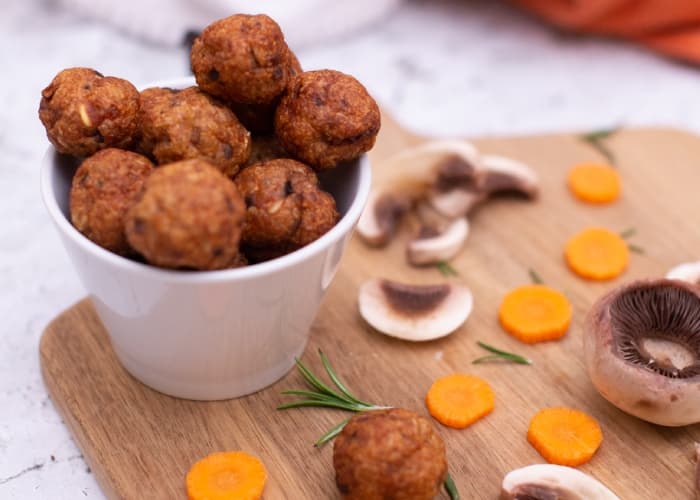
Milyen ételeket adjunk a gyomorpanaszokkal járó betegségek esetén?
Noha a zsíros ételek kerülése jó ötlet a betegség kezdeti szakaszában, egyéb ételeket nem kell kiiktatnunk ilyenkor sem. Noha a keményítőben gazdag ételek (mint a krumpli, rizs), valóban kímélhetik a picik gyomrát, a változatos étrend bőséges tápanyagtartalma miatt nem kell ezekre szorítkoznunk - kiváltképp, ha gyermekünk amúgy nem tartozik az érzékeny gyomrúak közé.
A betegség idején fennálló általános étvágytalanság miatt érdemes lehet kisebb adagokat tálalnunk - gondoljunk csak bele, hogy mi sem jövünk izgalomba egy nagy tál étel láttán, amikor nem érezzük jól magunkat!
Érdemes lehet könnyed, mókás falatkákat készíteni (mondjuk sütikiszúróval és egy kis kreativitással), hogy ezzel is ösztönözzük az evést - na és a jókedvet.
Mi a helyzet a kisebb babákkal?
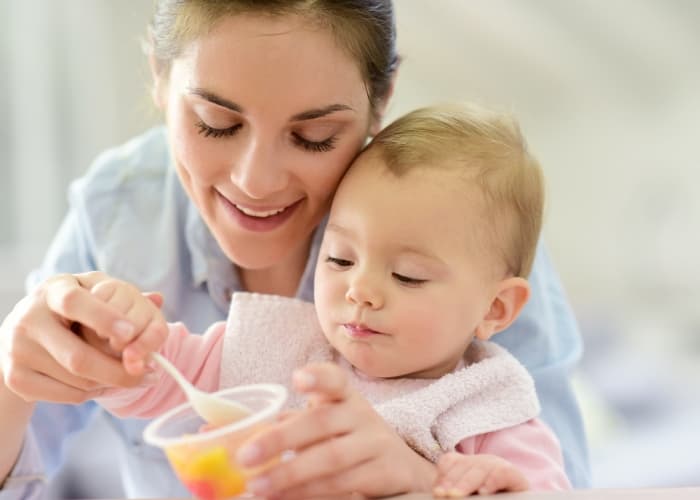
A hozzátáplálás korai szakaszában lévő, 6 hónapos kor körüli babák esetén fokozottan igaz, hogy ha betegség gyötri őket, elmegy a kedvük az evéstől. Náluk is tartja magát a legfontosabb szempont, miszerint elsődlegesen a folyadékbevitelnek kell rendben lennie. Szerencsére a legtöbb baba ilyenkor “visszalép” egyet, és leginkább csak a cicit, vagy a tápszert fogadja el.
Ez amellett, hogy megnyugtatja őket és komfortérzetet is kelt bennük, kiválóan biztosítja, hogy elegendő folyadék és kalória kerüljön a szervezetükbe, így tényleg nem kell azon aggódnunk, ha pár napig szünetel a szilárd ételek bevezetésének folyamata.
Figyeljük babánk viselkedését, és szoptassuk, etessük meg annyiszor, ahányszor csak kéri!
Ha viszont a kicsi az anyatejet vagy a tápszert is elutasítja, konzultáljunk gyermekorvosunkkal, hiszen a kiszáradás veszélye áll fenn!
Vissza a megszokott kerékvágásba
Ahogy a fentiekben is utaltam már rá: teljesen rendben van, ha a picik betegsége alatt bizonyos szabályok, vagy megszokások a kukában landolnak - ilyenkor nem ezek számítanak igazán!
Fontos ugyanakkor, hogy amint a csemete jobban van, visszatérjünk a régi rutinhoz és következetességhez, különben könnyen az új, lazább rendszerben ragadunk, ami hosszabb távon nem jó sem nekünk, sem gyermekünknek.
Nem azt mondom persze, hogy nem szabad néha lazítani a szabályokon (sőt!), hanem arra ösztönözlek, hogy legyen egy terv (de legalábbis egy megacélozott idegrendszer) benned a hétköznapokba való visszatérésre. Lehet, hogy az első pár nap döcögősebb lesz, de hidd el, végül szépen visszaáll a rendszer.
Sok sikert és jó egészséget kívánok nektek!
