
Barát, vagy ellenség? Mikortól adhatok mézet a babának?
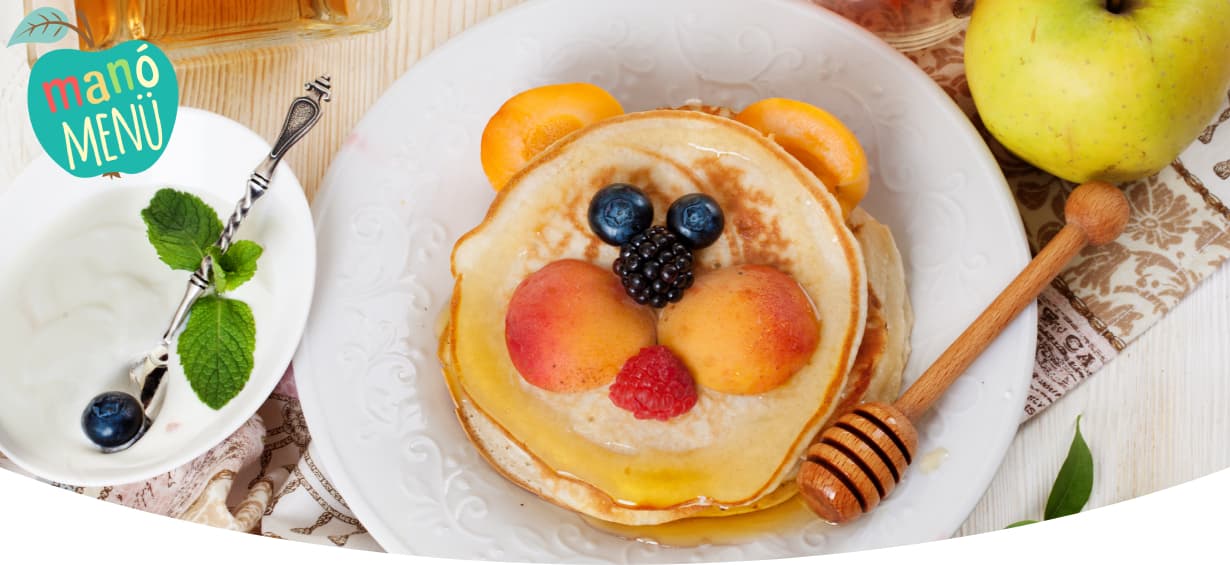
Barát, vagy ellenség? Mikortól adhatok mézet a babának?
A hűvösebb idő és a nátha-szezon beköszöntével szinte minden kisgyermekes szülő fejében megfordul a fenti kérdés. De vajon csodaszer, vagy veszélyforrás ez az aranyló nedű a picik számára?
Lássuk, mit érdemes tudni a mézről!
Méz a hozzátáplálásban
Noha a méz ideális alapanyagnak tűnik a babák szemszögéből, hiszen édes és fogacskák nélkül is könnyen fogyasztható, a botulizmus veszélye miatt szigorúan tilos azt egy éves kor előtt bevezetni!
De mi is az a botulizmus?
Sajnos ebben az csodás, folyékony kincsben is előfordulhatnak bizonyos “alvó” baktériumok (spórák), amelyek az emésztőrendszerbe kerülve jó eséllyel kezdenek el szaporodni, és mindeközben mérgező anyagokat, ú.n. toxinokat termelni. Ezek a toxinok a tápanyagokkal együtt aztán felszívódnak a bélből, komoly következményeket, akár idegrendszeri károsodást okozva.
Mivel az egy év alatti kisgyermekek emésztőrendszere még nem annyira fejlett, mint a felnőtteké, így ők fokozottan vannak kitéve a botulizmus lehetőségének! Ezért szerepel hazánkban a méz a bevezethető ételek listáján az egy éves kor utáni szekcióban. (Sőt, vannak olyan országok, ahol a hivatalos álláspont a 2 éves kor kivárását szorgalmazza!)
És ez még nem minden!
Sajnos a botulizmus kockázatát a hőkezelés se csökkenti, ezért a karácsonyi időszakban érdemes fokozottan figyelni arra, hogy az 1 év alatti picik még véletlenül se egyenek az asztalt díszítő mézeskalácsból, vagy hörpintsenek a finom mézes teából!

A méz jótékony hatásai
Úgy illik, hogy a negatívumok mellett megemlítsük a méz kiemelkedő érdemeit is: egy igazi szupersztár, hiszen található benne kalcium, réz, vas, magnézium, mangán, foszfor, kálium, nátrium, cink és kis mennyiségben B1, B2, B3, B5, B6, C-vitamin is.
Mindemellett kiváló édesítő, hiszen természetes és helyi. Olyan tulajdonságok ezek, amelyeket egy kicsit is (környezet)tudatos szülő biztosan értékel! (Hiszem és vallom, hogy nincs annál jobb a gyermekeink számára, mint ami nagyjából egyazon formában kerül az asztalra, mint ahogy a természet megalkotta.)
Ráadásul gyógyító csodaszer is!
A népi hagyomány úgy tartja, hogy a méz remek szer a köhögés csillapítására és a torokfájás enyhítésére, és mindezt több tudományos kísérlet is alátámasztotta már!
Egy vizsgálatban például több, mint 500 gyermeket osztottak fel különböző csoportokra: van, aki antibiotikumot kapott a köhögésére, van, aki mézet, van, aki a mézhez nagyon hasonló, sárga, ártalmatlan “löttyöt” (ez volt a placebo), és van, aki semmit. Ezután a szülők egy 1-től 7-ig terjedő skálán pontozták a köhögési tünetek enyhülését. (Minél kisebb a szám, annál elhanyagolhatóbb a gyógyulás.)
Az eredmények tekintetében semmi váratlan nem született: a kevéssé komoly, krónikus köhögés esetén a méz még az antibiotikummal is jócskán felvette a versenyt a köhögés-csillapítás tekintetében.
Összességében a méz tehát valóban egy természetadta kincs, melyet érdemes otthon a polcon tartani - és mértékkel, valamint az általános hozzátáplálási útmutatásokat betartva fel is használni.
