
Tipikus hibák a bababőr-ápolásban
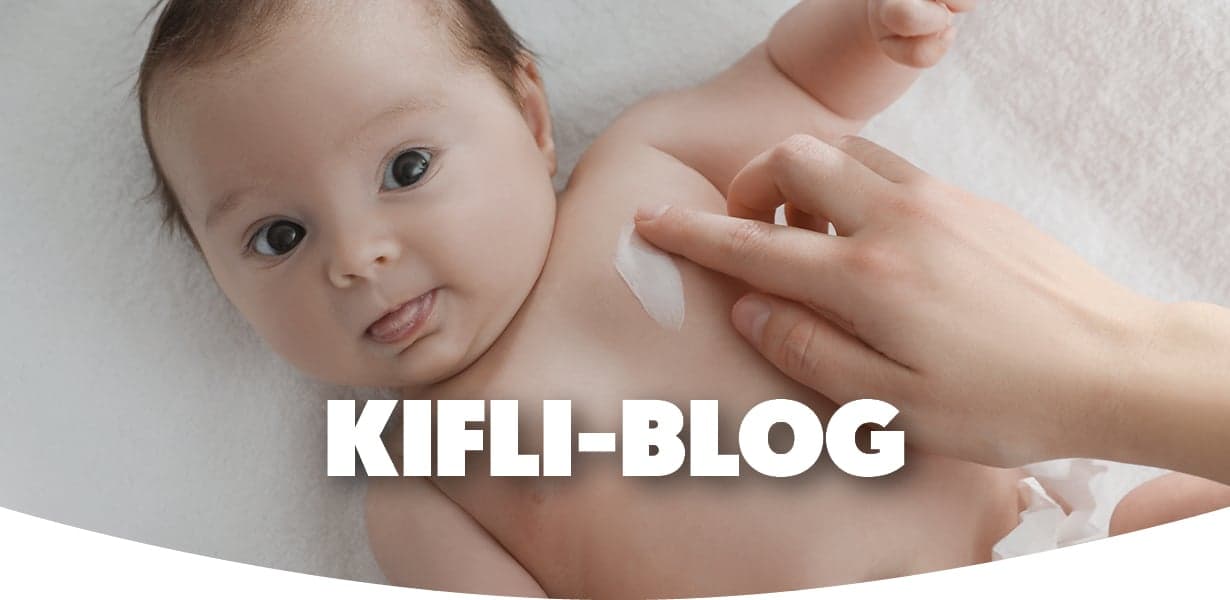
Tipikus hibák a bababőr-ápolásban
Meginterjúvoltuk a Shedo natúrkozmetikumok alapítóját, Dr. Halász Dóra szakgyógyszerészt – aki maga is édesanya –, hogy segítsünk a Kiflis szülőknek eligazodni az információk tengerében.
Melyek a leggyakoribb hibák, amelyek a lelkes és kezdő szülők elkövetnek a babaápolás terén?
Úgy tapasztalom, hogy a túlápolás a leggyakoribb probléma. Túl sokszor fürdetik a babákat, túl sok popsikrémet használnak és azonnali hatást várnak a kozmetikumoktól, gyors eredményt szeretnének, ezért szükségtelenül erős hatású termékeket választanak.
A másik, hogy nem a babák érzékeny bőrének legideálisabb készítményt választják a hiteles információ hiányában.
Könnyű elveszni a kínálat sokaságában, mit javasolsz a szülőknek, ha csak néhány alapvető terméket szereznének be a kisbabájuk bőrének ápolásához, melyek lennének azok és miért?
A születést követően az újszülöttek bőrét addig védelmező sűrű, faggyúszerű anyag, a magzatmáz leválik és bőrük védtelenebb lesz. A babák bőre ekkor még vékony, sérülékeny, a bőrön keresztüli felszívódás fokozott. Újszülött korban általában összesen kétféle kozmetikumra van szükség: popsikrém és babaolaj.
Mivel az újszülöttek még nem piszkosak, ezért a fürdetés, amely a teljes testre kiterjed, heti 2-3 alkalommal elegendő. Az aprócska babatest átmosására csapvizet használhatunk, ez azonban hosszú távon szárítja a bőrt, ezért, ha egy meghitt növényi olajos masszázs és átkenés előzi meg a fürdetést, akkor garantált a pihe-puha, jól hidratált bababőr. A kezeket, arcot, illetve összeérő és a pelenka alatti területet természetesen igény szerint, naponta tisztítsuk.
Olajat használhatjuk még a hajlatok, összefekvő területek tisztítására, koszmó eltávolítására és masszázshoz. Kezdetben a leggondosabb tisztítást igénylő rész a pelenka alatti terület. Legjobb, ha nedves mosható textíliával vagy folyóvíz alatt mossuk le pelenkacserék alkalmával, és egy natúr, természetes popsikrémmel ápoljuk szükség szerint. Ha úgy látjuk, hogy szép tiszta a pelenka alatti terület, akkor nem is szükséges minden alkalommal krémezni, ha viszont irritáció jelét látjuk, akkor azonnal ápolni kell.
Később, amikor kúszik, mászik, esik-kel gyermekünk, és tényleg összepiszkolja a bőrét, szükségesség válik a fürdető használata. Gyengéden tisztító, növényi olajokat is tartalmazó, enyhén savas kémhatású fürdető a megfelelő. Évszaktól függően testápoló használata is szükségessé válhat. Télen gazdagabb testápolót igényel a bőr a hideg és száraz levegő miatt. Nyáron általában elegendő egy könnyebb testápoló. A nyári testápolást azért nem szabad elhanyagolni, mert a víz, homok, naptej, UV sugárzás is igénybe veszi a bőrt, ezáltal regenerálni kell. Nyáron naptej használata elkerülhetetlen. Fél éves korig azonban az a legbiztonságosabb, ha egyáltalán nem visszük napra gyermekünket.
Az első fogacskák megjelenésével már érdemes elkezdeni a fogacskák ápolását, hogy megszokja ezt a kisbaba és természetes legyen számára a fogmosás, szájápolás később is. Fogkrémet azonban véleményem szerint egy éves kor felett kell csak használni, amelyből én a fluoridmenteset preferálom.
Újszülött korban, ha kevés haja van a babának, akkor a fürdetések alkalmával tiszta vízzel elég áttörölni a fejbőrt, hogy eltávolítsuk a nap során esetleg rákerült szennyeződéseket. Samponnal történő hajmosás akkor indokolt, ha már aktívabb a baba, izzad, kúszva-mászva vagy épp evés közben összekeni a fejét, haját. Általánosságban elmondható, hogy heti egyszeri hajmosás elégséges, de persze könnyen előfordul, hogy úgy alakul, hogy mégis kell 1-2 plusz alkalmat beiktatni.
Miért fontos, hogy kifejezetten babák számára kifejlesztett krémekkel ápoljuk a kisgyerekek bőrét, és mire figyeljünk oda az összetevőlistánál (pl. kerülendő anyagok)?
A babák érzékeny bőrének ápolására a vegyszermentes gazdálkodásból származó, bio alapanyagokból készülő natúrkozmetikumok a legalkalmasabbak. Fontos, hogy a vékony, érzékeny, áteresztő bababőr tiszta, megbízható forrásból származó anyagokkal érintkezzen. A babaolaj kizárólag növényi olajokat tartalmazzon, a popsikrém, testápoló, sampon, fogrém szintén mind természetes, lehetőleg tiszta, növényi eredetű legyen.
Milyen összetevőket kerüljünk el messziről?
Kerüljük az olyan termékeket, amelyek tartalmaznak ásványi olajokat, paraffint, vazelint, szintetikus összetevőket, boraxot, borsavat, parabéneket, SLS-t (sodium laurylsulfat), SLES (sodium-lareth sulfat) és szintetikus illatanyagokat. Ezek az anyagok idegenek a bőr számára, ezért alkalmatlanok a finom bababőr ápolására.
Az ásványi olaj, paraffin és vazelin eltömíti a bőr pórusait, ezért nem tud lélegezni. Rövid távon úgy érezzük, hogy jól hidratált tőle a bőrünk, mert teljesen elfedi a bőrt, nem jut ki nedvesség a bőrből, ezért hidratált marad. Hosszú távon ezek az anyagok azzal, hogy nem engedik lélegezi a bőrt, kedvezőtlenül befolyásolják annak állapotát.
A bórsavval és boraxal leggyakrabban popsikrémekben találkozhatunk: enyhe fertőtlenítő, gombaellenes hatása miatt használják. Hosszú távon, rendszeresen, helytelenül magas adagban használva azonban kedvezőtlen hatással lehet az ivarszervekre.
Parabéneket a krémek tartósítására használják. Rendkívül irritatív, korszerűtlen anyagok, melyekre nagyon gyakori az allergiás reakció.
Az SLS (sodium laurylsulfat, nátrium-laurilszulfát), SLES (sodium laureth sulfat) tisztító hatású, úgynevezett tenzidek. Tisztító aktivitásuk magas, túlzásba vitt használatuk ezért megbonthatja a bőr normál flóráját és kémhatását. Emellett nagyon gyakori vele szemben az allergiás reakció.
A szintetikus illatanyagok gyakran okoznak irritációt és a babák idegrendszerének sem tesznek jót. A szilárd szappanok, a növényi olajokból készülő natúr szappanok pedig lúgos kémhatásuk miatt a bőr normál – enyhén savas – ph-ját képesek eltolni, befolyásolva ezzel a bőr védelmi funkcióit és természetes flóráját.