
Kávé sztori
Kávé elkészítési módjai
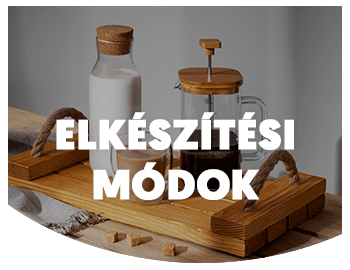
A kávékészítési eljárások gazdag világa kiterjed a hagyományos eszpresszótól egészen az újító pour-over eljárásokig. Mindegyik módszer sajátos ízprofilokat teremt, és más típusú kávé szükséges hozzá.
1. Eszpresszó:
Az eszpresszó egy rövid és erőteljes kávé, amit magas nyomású forró víz áramoltat finoman őrölt kávén keresztül. Ideális esetben arabica vagy keverék kávészemekből készül, erőteljes pörkölési fokkal és finom őrléssel.
Csepegtetős Kávé (Drip Coffee):
A csepegtetős kávéfőzés során a közepesen őrölt kávészemekre forró vizet csepegtetnek. Ezáltal könnyedebb, kiegyensúlyozott ízű kávé készül. Általában arabica kávéfajtákból készül közepes pörkölési fokkal és közepes őrléssel.
3. Francia (French Press):
A French Pressben a közepesen durván őrölt kávé és forró víz találkozik, majd hosszabb áztatás után a préselő tálba nyomja a kávéfőzetet. Egy testes, aromás ital keletkezik, melyhez közepesen pörkölt arabica vagy keverék kávészemek és közepesen durva őrlés szükséges.
4. Kotyogós Kávé:
A kotyogós kávé egy hagyományos és egyszerű kávéfőzési módszer. A kotyogóban lévő víz a felforrást követően keresztülhalad a őrleményen és kivonatolja azt. Fontos, hogy az első kávécseppek megjelenése után már ne melegítsük tovább a kávéfőzőt, így a kávéőrleményt és a kész kávét sem tesszük ki a szükségesnél nagyobb hőnek.
A kotyogós kávéhoz általában közepesen durván őrölt arabica kávészemeket használnak közepesen sötétre pörkölve, de a fajtát és keveréket a személyes ízlés határozza meg.
5. Pour-Over (Kézi Kávéfőző):
A pour-over kávéfőzés során forró víz lassan ömlik le a finoman őrölt kávéra. Ez egy manuális és kreatív folyamat, ahol a kávéfajta (általában specialty kávé), a pörkölési fok és az őrlés mind hatással vannak az ízre.
6. Török Kávé:
A török kávéban finoman őrölt török kávészemeket használnak, amit cukorral és vízzel együtt főznek speciális török kávéfőzőben. Az eredmény egy sűrű és erőteljes ital, ahol a kávészemek finom pörkölése és nagyon finom őrlése kulcsfontosságú.
7. Cold brew
A Cold Brew kávé elkészítése rendkívül egyszerű. Közepes vagy sötét pörkölésű kávéra van hozzá szükség durvára őrölve. 100g kávét 400g hideg vízzel keverj össze, és helyezd a hűtőszekrénybe legalább 12-24 órára. A hosszú áztatásnak köszönhetően egy sima, enyhén édes és alacsony savtartalmú italt kapunk. Szűrd le, majd díszítsd, ha szeretnéd. Kísérletezhetsz az arányokkal és az áztatási idővel, hogy személyre szabott ízvilágot érj el. A közepesen vagy sötéten pörkölt kávé adja meg a gazdag és karakteres jegyeket a Cold Brew kávéhoz.
Minden kávékészítési módszer sajátos íz- és aromavilágot hoz létre, és a kávéfajta, pörkölési fok és őrlés minősége kulcsfontosságú a kívánt ízélmény eléréséhez. Kísérletezés és a saját ízlés kialakítása révén minden kávékedvelő felfedezheti a számára tökéletes készítési módszert és kávét.

Ha nem csupán szereted a kávét, de szeretnél többet megtudni róla, és bővítenéd a műveltségedet a témában, ez a te oldalad! Kigyűjtöttük a legfontosabb és legérdekesebb információkat a kávéról az eredettörténettől kezdve a típusokon keresztül az elkészítési módokig, hogy immár ne csak laikus kávéélvező, hanem hozzáértő is lehess.







A kávé eredete, termőhelyek
A kávé története izgalmas és több évszázados. A legtöbb történet Etiópiából ered, ahol egy Kaldi nevű pásztor felfedezte a kávébabok hatásait a IX. században. A legenda szerint Kaldi megfigyelte, hogy a birkái élénkek és szinte fáradhatatlanok lettek, miután a kávécserje piros termését fogyasztották. Kaldi kipróbálta maga is a bogyókat, és észrevette, hogy rá is élénkítő hatással vannak. Ezt követően megmutatta a kávét egy helyi szerzetesnek, aki kezdetben a kávét egy ördögi italnak gondolta. Azonban, miután megkóstolta, felfedezte, hogy a kávé segített ébernek maradni az esti ima idején. A kávé fogyasztása ezt követően terjedni kezdett a térségben, majd az arab világban, és végül a világ többi részére is eljutott.
A kávécserjét először az arab országokban kezdték el termeszteni és a kávé készítési módjait finomítani. Az első kávéház Bagdadban nyílt a 16. században, a kávézás ezt követően terjedt el Törökországban és az európai országokban is.
A kávé így jutott el Európába, majd onnan a világ minden részére, és mára a világ egyik legnépszerűbb italává vált. A kávé világa és kultúrája gazdag, sokszínű és folyamatosan fejlődik, manapság pedig új lendületet nyert a specialty kávék térnyerésével.
Termőhelyek:
A kávé származási helye elsősorban a kávétermesztésre alkalmas, meleg éghajlatú területekhez kapcsolódik. Itt van néhány olyan régió és ország, amelyek hagyományosan a világ kávétermelésének központjaiként ismertek:
Etiópia: Gyakran tekintik a kávé születési helyének, és itt található az arabica kávé egyik ősi őse.
Brazília: A világ legnagyobb kávétermelője. Itt különböző régiók kínálnak különböző ízjegyekkel rendelkező kávékat.
Kolumbia: Híres a magas minőségű arabica kávéiról és a kávékultúrájáról.
Costa Rica: Szintén ismert a kiváló minőségű arabica kávéiról.
Jamaica: A Jamaicai Blue Mountain kávéja különlegesen értékes és népszerű a világpiacokon.
Ecuador: Egyre inkább ismert kávétermelő ország, különösen az arabica kávék tekintetében.
Vietnám: Az egyik legnagyobb robusta kávétermelő, és az utóbbi években kiterjesztette arabica termelését is.
Ezen kívül számos más ország is részt vesz a kávétermelésben a világon. Minden terület sajátos klímája, talaja és egyéb tényezői határozzák meg a kávé ízét és minőségét. A "single origin" vagyis egyetlen származási helyről származó kávék is egyre népszerűbbek, mivel lehetővé teszik az egyedi ízjegyek felfedezését a kávékedvelők számára.