
Püré vagy BLW: melyik való a babámnak?
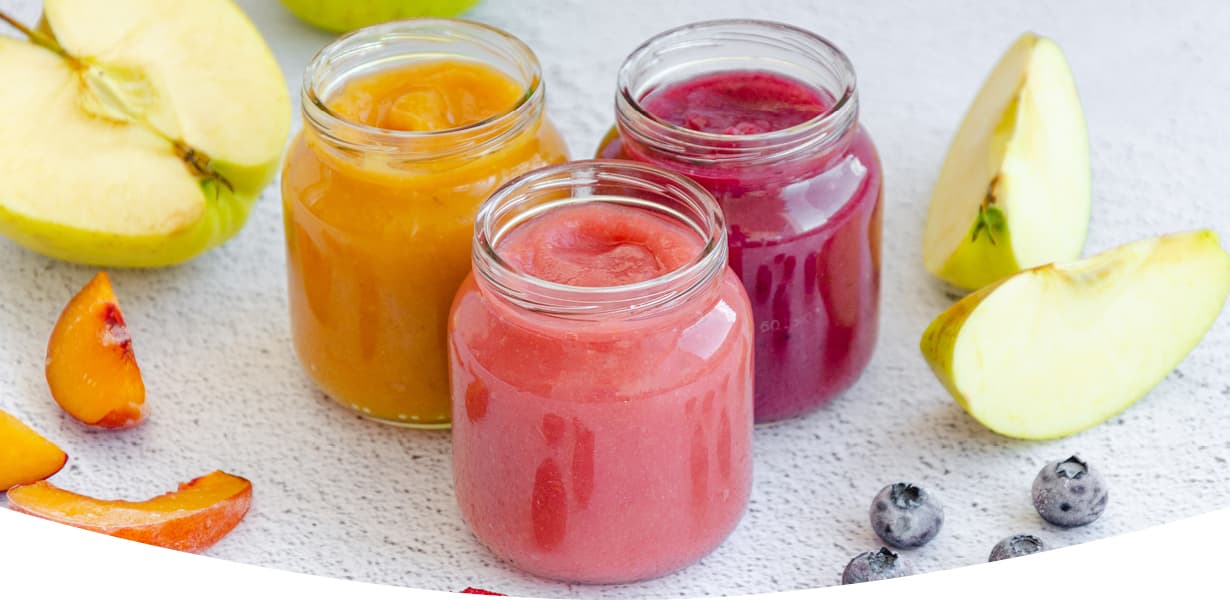
Püré vagy BLW: melyik való a babámnak?
Az anyukák nagyrésze a hagyományos módszerekben bízva pürékkel kezdi a hozzátáplálást, Bőven akadnak azonban, akik inkább a korai önállóságra nevelést és a BLW módszert részesítik előnyben.
Persze nemcsak az anyukákon múlik, hogy a baba miként tanul meg enni, hiszen a csemetéknek is jócskán van beleszólásuk. Vannak babák, akik boldogan cuppognak a kiskanálnak, mások viszont már az első perctől fogva egyedül csemegéznének.
Honnan tudhatod, hogy mi a jó a babádnak? Püré vagy BLW, kiskanál vagy kulimászos praclik? Járjunk utána!
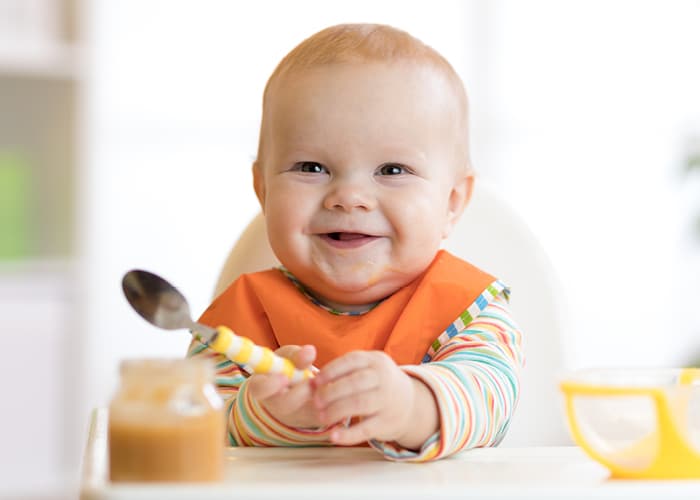
Melyik a jobb: püré vagy BLW?
Anyaként gyakran éljük meg, hogy a gyerekek nevelése, táplálása egyfajta kéretlen közösségi sport: mindenki jobban tudja és el is mondja, hogy kell jól csinálni. A dolog szépsége, hogy természetesen minden ember mást tanácsol és ezzel alaposan összezavarják az anyukát, nem igaz?!
Ahelyett, hogy egyfajta egyetemes igazságban hinnénk, fogadjuk el, hogy a babák, a családok és az anyák is mások. Ami az egyikünknek tökéletes, a másikunknak diszkomfortos. Amit az egyik baba élvez, attól a másikon kitör a frász. Mindegy, hogy püré vagy BLW, a legfontosabb a biztonságos kötődés és az ételekhez, étkezéshez való egészséges viszony kialakítása.
Ne feledd, hogy nemcsak az a fontos, hogy mit eszik a baba, hanem az is, kivel, mikor, hányszor és milyen körülmények között! A közös élmény, az étkezések iránti tisztelet és a táplálás-táplálkozás szeretete fontos, mi több, a későbbi egészséges élet egyik alapköve lehet.
Hozzátáplálás kisokos: a szilárd ételek bevezetése
A legtöbb anyukának már az is gondot okoz, hogy eldöntse, pontosan mikor jött el a hozzátáplálás ideje. Vannak, akik az anyukájukra hallgatnak és a három hónapos picinek már kötelező az almalé, mások a védőnő tanácsait követik és az általa megjelölt időpontban fognak hozzá. A valóság azonban az, hogy a kicsik pontosan tudják, mikor jött el az ő idejük! A hozzátáplálás optimális idejének megválasztásához bőven elegendő, ha figyelünk a jelekre.
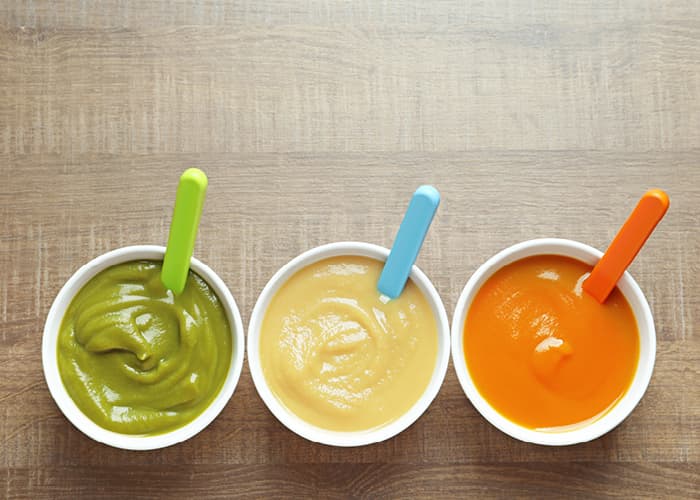
A püré előnyei
A hagyományos, püré alapú hozzátáplálás néha már-már maradinak tűnik, valójában azonban megvannak a maga előnyei. Ha kiskanállal faljátok az életet,
- a kicsi több lépésben, fokozatosan ismerkedik meg a textúrákkal. A könnyű, híg, anyatejhez hasonló állagú püréktől többféle textúrát megteremtve juthattok el a szilárd ételekig, így a babának lehetősége van adaptálódni. A püré alapú hozzátáplálással az eredményes táplálkozáshoz szükséges készségek elsajátítására bőven van idő.
- pontosan tudod, mennyit evett a baba. Mivel a kiskanalas módszerrel az elfogyasztott mennyiség pontosan mérhető, tudod majd, hogy mit és pontosan mennyit evett a kicsi. Így legalább emiatt nem kell majd aggódnod.
- bármikor azonnal ételhez juttathatod az apróságot. A püré alapú hozzátáplálás egyik legpraktikusabb előnye, hogy bármikor a kicsi életkorának, hozzátáplálási szakaszának és ízlésének megfelelő, tápanyagokban gazdag és bevizsgált minőségű bébiételhez juthatsz,
- kisebb a káosz, legalábbis ami a kezdeti időszakot illeti. Minden anyuka rémálma a napi ötszöri komplett nagytakarítás, ami egy kisbaba vagy totyogó társaságában szinte elkerülhetetlen. Ha püré alapon kezditek a hozzátáplálást, az első hetekben és hónapokban te irányíthatsz- aztán ugyanúgy jön az őskáosz.
A püré alapú táplálás más szempontból azonban nem túl anyabarát módszer, hiszen sosem fogod tudni melegen fogyasztani a saját ebédedet. (Kivéve ha alvásidőben minden összejön és nyugodtan ebédelhetsz egyedül egy jó könyv vagy a kedvenc sorozatod, ideális esetben apa vagy egy barátnő társaságában.)
Tudtad, hogy a kanalas hozzátáplálásnak normál esetben legfeljebb 2-3 hónapig kellene tartania?! Bizony! Azonban mivel a baba a saját étkezésével egy időben ritkán lát majd téged, titeket enni, nehezebben megy majd neki az utánzásos tanulás és többnyire jóval később tanulja meg, hogyan kell(ene) önállóan étkeznie.
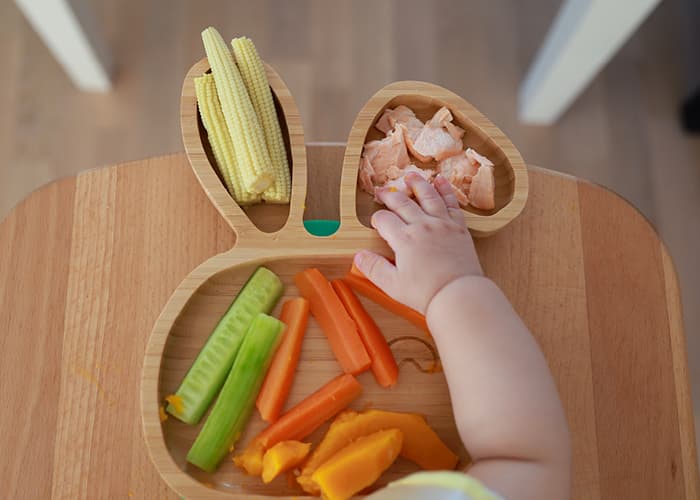
A BLW előnyei
A BLW, azaz baby lead weaning, vagyis a baba által vezetett elválasztás módszer lényege, hogy a babának már a hozzátáplálás kezdetén is kezébe adjuk az ételeket és hagyjuk, hogy ő irányítson. Engedjük, hogy megfogja, megnyomkodja, vagy akár elkenje őket és olyan ritmusban, olyan módon egyen, ami számára komfortos. Ez egy háztartást is vezető anya számára ijesztő lehet, hiszen sok rumlival és takarítással járhat, ugyanakkor megvannak a BLW módszer előnyei is.
Ha a babával BLW-zünk,
- sosem kell kétfelé főznünk, hiszen a kicsi - a hozzátáplálás szabályait betartva - eheti ugyanazt, amit a családtagok.
- együtt ehet a család. Mivel az étkezést a kicsi önállóan végzi, nem szükséges folyamatosan és kizárólagosan csak rá figyelnünk, vele egy időben mi magunk is étkezhetünk.
- a kicsi annyit eszik, amennyit szeretne. Mivel a BLW során maga a baba irányít, akkor fogja abbahagyni az evést, amikor már tele a pocak. Azaz elkerülhetjük a túlevést, csökken a pocakfájás és az emésztési problémák valószínűsége és kialakul az egészséges testtudat.
- nem az étkezés körül forog a világ. Mivel a különféle állagú - beleértve a püré jellegű - ételeket nem kell tovább pürésíteni, nem kell külön főzni, turmixolni, az anya - és ezáltal a baba - élete nem az ételek és ez étkezés körül forog. Több idő jut játékra és egymásra figyelésre, közben pedig nem lesz egészségtelenül hangsúlyos az étkezés fontossága.
- a hozzátáplálás nem teher többé. A BLW-s gyerekek szülei bátrabban és színesebben állítják össze a gyermek étkezéseit, különféle textúrákat és ízeket kínálnak fel, ezzel pedig folyamatos fejlődésre ösztönzik a kicsit.
A BLW ugyanakkor néhány hátránnyal is jár: a lakás - és a gyerek- is sokszor szorul majd alapos tisztításra, emellett szülőként nehéz lehet a fulladásveszély miatti félelem kontrolljának kialakítása.
