
Pelenkával fedett bőr ápolása
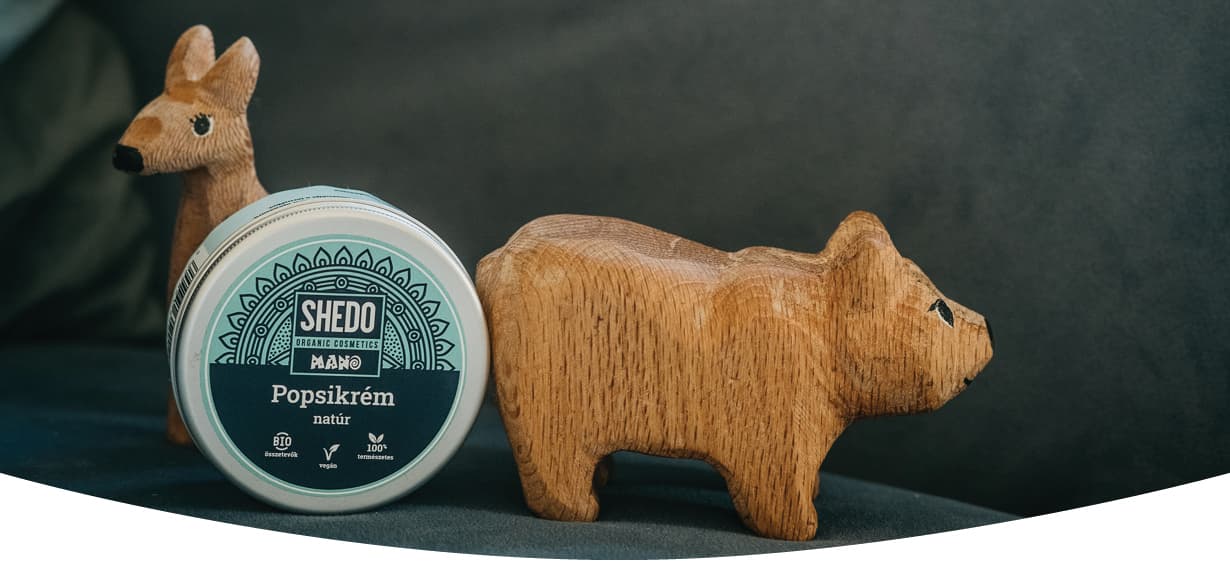
Pelenkával fedett bőr ápolása
A baba érkezését követően a pelenkázás egy központi kérdés és sok újdonsült szülő aggódva gondol erre a feladatra, azonban hamar a napi rutin részévé válik, hiszen sok-sok pelenkacserére van szükség, főként a kezdeti időszakban, amikor akár 7-8 alkalmommal is cserélünk pelenkát egy nap alatt.
Az érzékeny babapopsi állandó meleg, párás, nedves környezetben van a pelenkának köszönhetően. Ezek a körülmények kedveznek bizonyos mikroorganizmusok elszaporodásának, a felázott bőr pedig érzékeny, könnyen sérül, ezért nagy gondossággal kell tisztítani és ápolni a területet megelőzve ezzel irritáció vagy akár pelenkakiütés kialakulását.
Pelenka alatti terület tisztítása
A legideálisabb megoldás a pelenka alatti terület tisztítására a langyos vizes lemosás sima csapvízzel vagy esetleg egy gyengéd natúr fürdetővel. Ez otthoni körülmények között könnyen megoldható. A lemosást követően alaposan töröljük szárazra puha törölközővel a bőrt különös figyelmet fordítva a hajlatokra!
Vannak azonban olyan helyzetek, például utazás alkalmával, amikor nem oldható meg a csapvizes lemosás, ilyenkor jó megoldás lehet a popsitörlő használata. Válasszunk olyan törlőkendőt, mely nem tartalmaz mesterséges illatanyagot és tartósítószer, inkább természetes összetevőket és vizet tartalmaz, így minimálisra csökkenthetjük az esélyét annak, hogy gyermekünk bőrét irritálja.
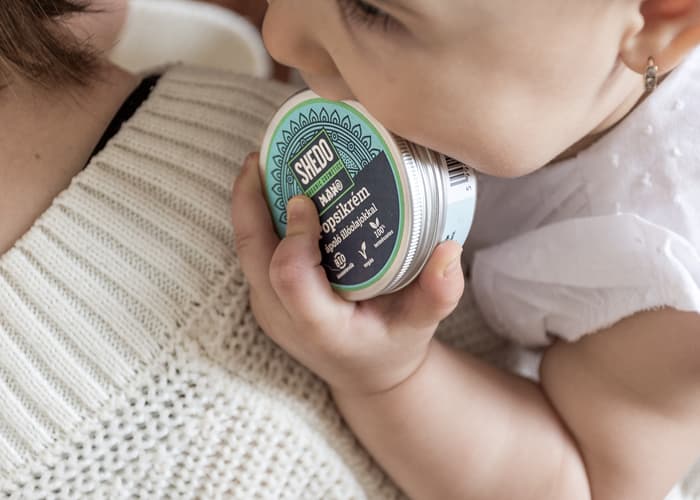
Pelenka alatti terület ápolása
Napi 2-3-szor vagy akár minden pelenkázás alkalmával használhatunk popsikrémet. Megfelelő popsikrém kiválasztásával elkerülhető az irritációk kialakulása. Fontos, hogy olyan popsikrémet válasszunk, ami természetesen véd és ápol!
Milyen az ideális popsikrém, mely védelmet biztosít gyermeked bőrének?
Természetes anyagokat (növényi olajok, vajak, kivonatok, illóolajok) tartalmaz.
Véd, tehát megtalálható benne olyan összetevő, ami képes elzárni a baba bőrét a pelenkatartalomtól (shea vaj, gyapjúviasz).
Ápol, tehát olyan alapanyagok is vannak benne, ami erősíti a bőr védőrétegét, bőrnyugtató, hidratáló tulajdonságú (shea vaj, panthenol, mandulaolaj).
Regenerál, tehát összetevői között szerepelnek gyulladáscsökkentő, hámosító hatású anyagok ( körömvirágolaj, ligetszépeolaj).
Különféle illóolajok ( teafa, levendula) is gyakran előfordulnak popsikrémben, melyek szintén növelik a krém hatékonyságát.
Hogyan alakul ki és milyen tünetei vannak a pelenkadermatitisnek?
A zárt, meleg, párás környezetben a vizelet és a széklet együttes hatására alakulhatnak ki a tünetek: bőrpír és apró kiütések, súlyosabb esetben kiterjedtebb területen is jelentkezhetnek a tünetek felülfertőződéssel.
Anyatejes babáknál ritkábban fordul elő. Tápszer vagy egyéb táplálék bevezetésénél gyakoribb, mert ilyenkor megváltozik a széklet összetétele, valamin a bélflórában is bekövetkezik változás. Ebből következik, hogy a másféle ápolást igényel a bőr, amikor már nem kizárólag anyatejet fogyaszt a baba. A táplálékon kívül a fogzás, az immunrendszer állapota is hatással lehet a széklet összetételére, így bizonyos időszakokban szükség lehet még gondosabb ápolásra. Érdemes figyelmet fordítani a pelenka és a törlőkendő kiválasztására is, mert egy rosszul megválasztott pelenka is lehet irritáció forrása.
Íme néhány praktikus tanács, amellyel megelőzhető a pelenkakiütés kialakulása:
1. Pelenkázások alkalmával langyos vízzel, esetleg gyengéden tisztító natúr fürdetővel mosd le bőrüket popsitörlő helyett!
2. Alaposan töröld szárazra puha törölközővel a bőrüket különös figyelmet fordítva a hajlatokra!
3. Cserélj sűrűbben pelenkát és hagyjuk szabadon ameddig csak lehet!
4. Használj olyan popsikrémet, ami természetesen véd és ápol!
