
Őrizd meg az őszt! A tartósításról kisbabás háztartásoknak
Őrizd meg az őszt! A tartósításról kisbabás háztartásoknak
Már csípnek a reggelek és elkel a puha sál az esti séták idején, de a kert még ontja utolsó terményeit. Indul a sütőtök- és batátaszezon, gurulnak a formás szilvák és szőlők, érnek az utolsó paradicsomok és lilán mosolyognak a későn ébredő padlizsánok. Megannyi finom falat, melyet legszívesebben magunkkal vinnénk a hideg télbe.
Tévhitek a tartósításról
A tartósítást, befőzést övező legnagyobb tévhit, hogy kizárólag rengeteg só és/vagy cukor, illetve tartósítószer felhasználásával, körülményesen elvégezhető feladat. Csakhogy ez nem igaz, hiszen számos korszerű, tartósítószermentes megoldás létezik arra, hogy kertünk ajándékaiból és a nyár kincseiből magunkkal vigyünk a hideg télbe is. Ne feledjük, a befőzés mellett az aszalás, a fermentálás és a fagyasztás is rendelkezésünkre áll!
A fagyasztás
A fagyasztás legnagyobb előnye, hogy semmilyen előképzettséget, gyakorlati tapasztalatot vagy különösebb előkészületet nem igényel. A zöldség vagy gyümölcs beszerzése után nincs különösebb dolgunk, hiszen csak alaposan meg kell mosni, illetve meg kell tisztítani az alapanyagot, majd tetszőleges kiszerelésű csomagokban mehet is a fagyasztóba a kész csemege.
Bizonyos esetekben blansírozásra ugyan szükség lehet, de a felezett gyümölcsök, a borsó, a zöldbab, a sütőtök hasábok vagy a paprikaszeletek nem igényelnek speciális eljárásokat.
Fontos szempontok fagyasztáshoz:
- Lehetőség szerint akkora porciókban fagyasszuk az egyes élelmiszereket, melyeket a baba egy-egy étkezés során elfogyaszt
- Mindig feliratozzuk az egyes csomagokat, hogy pontosan tudjuk, mikor tettük őket a fagyasztóba és meddig használhatók fel a porciók biztonsággal
- Válasszunk frissen szedett zöldséget és gyümölcsöt, illetve gyorsfagyasztás programot
- Olyan élelmiszereket fagyasszunk le, melyek kifejezetten jól bírják a mélyhűtőben eltöltött időt, pl.: cseresznye, meggy, körte, szilva, padlizsán, sóska, spenót, vaj, sajt, túró, kenyér, zsemle, kelt tészták stb.
- A fagyasztott élelmiszereket lehetőség szerint a normál hűtő +5-7 Celsius-fokos ‘melegében’ vagy - nem túl meleg időben - a konyhapulton olvasszuk ki. Mikrózást csak végszükség esetén, vízben történő kiolvasztást pedig lehetőség szerint soha ne alkalmazzunk!
A szárítás
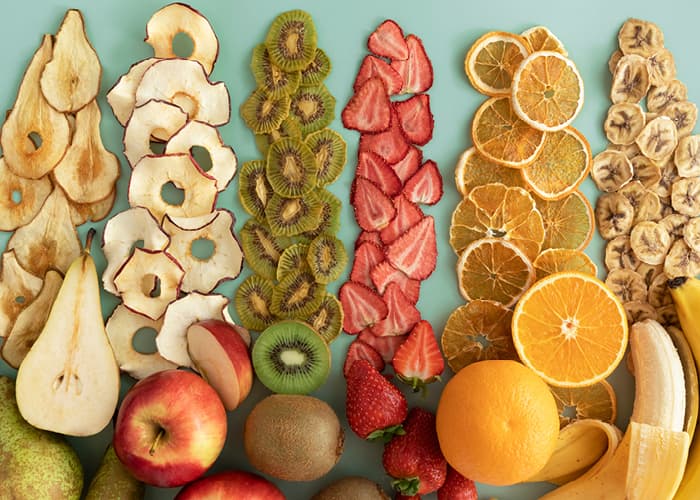
A szárítás egy speciális eljárás, mely nem egyenlő az aszalással. A folyamat elvégezhető természetes körülmények között a napfény segítségével, a sütőben, illetve elektromos készülékkel egyaránt. Az eljárás lényege, hogy a felezett vagy egész gyümölcsöt addig szárítják közepesen magas hőmérsékleten, míg annak víztartalma kb. 92-97 %-ban elpárolog.
Az így kapott szárított zöldség és gyümölcs íze és állaga ugyan eltér a friss változattól, ugyanakkor jól és hosszan eltarthatóvá válik, nem penészedik és biztonságosan fogyasztható.
Az aszalás
Az aszalás a szárításhoz hasonlóan megy végbe, a növényekből azonban csak 79-87%-nyi nedvességet vonnak ki, ezáltal a végtermék ízletesebb, karakteresebb és az eredeti zöldséghez-gyümölcshöz közelebbi ízhatású lesz. Az eljárás hátránya ugyanakkor, hogy a késztermék könnyen penészedik, ezért eltarthatóságának ideje lényegesen rövidebb a szárított verzióénál.
A fermentálás
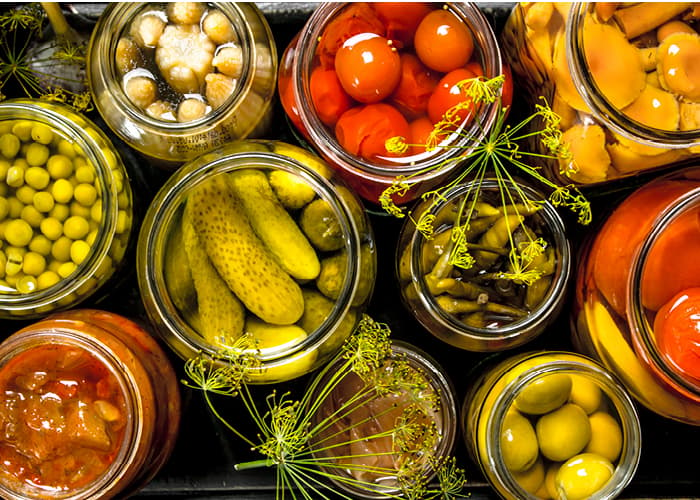
Napjaink legtrendibb tartósítási eljárása nem eredményez olyan hosszú eltarthatóságot, mint például a befőzés, ugyanakkor igazán különleges ízvilágú, finom és egészséges fermentált zöldségeket és gyümölcsöket készíthetünk.
A folyamat során tiszta, klórmentes vízből és sóból készült oldattal, ún. brine-nel indítjuk be az erjedést, majd a felhasznált alapanyagok fajtájától és mennyiségétől függően meghatározott ideig zavartalanul hagyjuk erjedni az elegyet. Ez alatt nincs más dolgunk, mint időnként átmozgatni az üvegeket. A késztermék eltarthatósága a zöldségtől-gyümölcstől függően egy hónaptól egy évig terjedhet. (Fontos tudni ugyanakkor, hogy a keverék megfelelő körülmények között tárolva is tovább erjed, így állaga és íze is folyamatosan változik.)
Babák és a fermentálás
Bár a fermentált élelmiszerek rendkívül egészségesek, egy éves kor alatt csak kóstolási mennyiségben adhatók a babáknak. Az első életév betöltését követően ezt a mennyiséget lehet fokozatosan növelni, ha a kicsinek nem okoz panaszokat az erjesztett élelmiszerek fogyasztása.
A befőzés
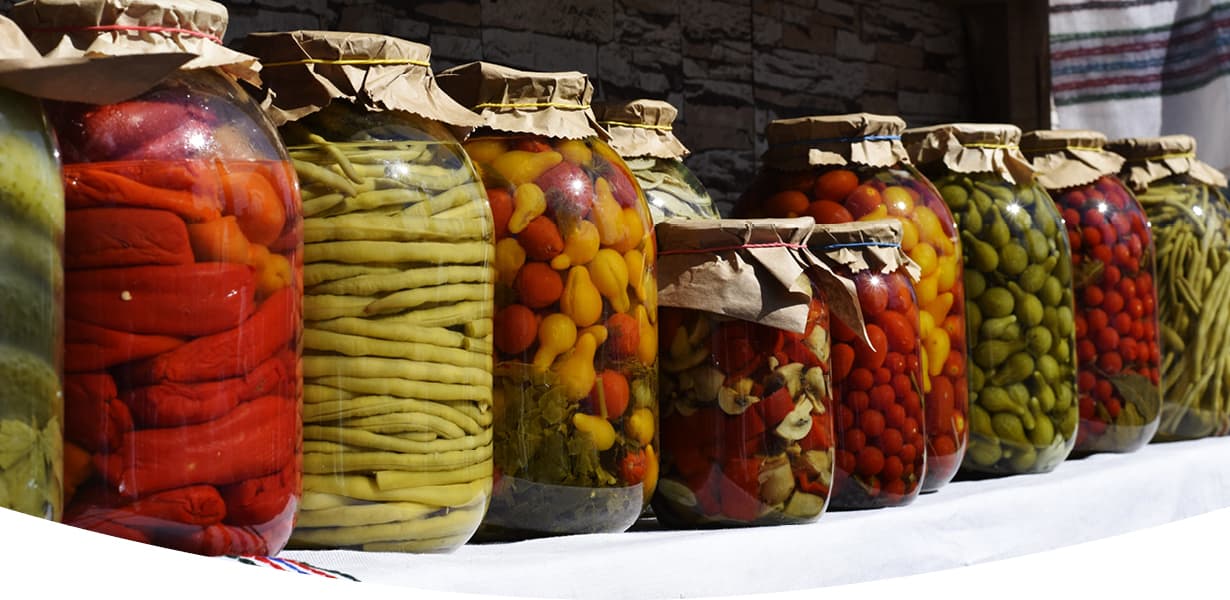
Közkeletű tévedés, hogy a befőzés során a tartósítószer vagy a nagy mennyiségű cukor tartósítja az élelmiszereket. A munkát valójában a magas hőmérséklet végzi, így ha a megtisztított gyümölcsöket és zöldségeket kellő ideig vetjük alá hőkezelésnek, majd csírátlanított üvegekbe töltjük, adalékanyagoktól mentes finomságokat kaphatunk. Legyen szó zöldségkrémekről, csatnikról, lecsóról vagy lekvárokról, ehhez még dunsztolni sem kell! Bőven elég, ha a pulton húsz percre fejük tetejére fordítjuk a gondosan lezárt üveget. Az így képződött vákuum ugyanis mindent megold helyettünk.
Az eljárás legnagyobb előnye, hogy az elkészített kencék és lekvárok a babának is bátran adhatók, hátránya viszont, hogy mivel az üvegekbe semmilyen tartósítószer nem kerül, a felbontás után rövid szavatossági idővel számolhatunk.
Pro tipp: Ha nem akarsz a tűzhely mellett állni, hagyományos recept szerint sütőben vagy modern-módra, befőzőautomata segítségével is dolgozhatsz.
Higyj nekem, a tartósítás csak látszólag unalmas pepecs munka, valójában izgalmas kaland és szórakoztató kihívás. Ráadásul nincs nagyobb büszkeség, mint a saját magad által eltett finom falatokkal kényeztetni a kisbabádat és családodat egyaránt. Fogj bele és őrizz meg te is néhány üvegnyi őszt a télnek!
