
Mikortól és hogyan mossunk kezet?
Mikortól és hogyan mossunk kezet?
Az utóbbi két év eseményeinek hatására még azok számára is magától értetődővé vált a kézmosás hazaérkezéskor, evés előtt, mosdóhasználat után és közösségi terek felkeresését követően, akik korábban szívesen elbliccelték a rendszeres tisztálkodást.
Abban mindannyian egyetérthetünk, hogy a kézmosás az alapvető higiénia része és a legegyszerűbb módja annak hogy elejét vegyük különféle betegségek terjedésének. De mikortól és hogyan mossunk kezet a babával ahhoz, hogy minden a legnagyobb rendben legyen?
Mossunk kezet már babakorban is!
Az egészen pici babák esetében a kézmosás és a kézfertőtlenítés teljesen felesleges, hiszen a napi fürdés vagy vizes lemosás során az elhalt hámsejtek, az izzadság és anyatej könnyedén eltávolításra kerülnek. A csecsemőkor után azonban, amikor a babák egyre többet tapiznak és egyre többször szedik a szájukba a kezüket, érdemes legalább az étkezések előtt minden alkalommal megmosni azt.
Természetesen ezidőtájt a kézmosás szokáskialakító jellegén van a hangsúly, de az igazán sikeres beépüléshez érdemes a kézmosás rutinját mielőbb megkezdeni.
Hogyan mossunk kezet? Tippek babákhoz
A tökéletes tisztasághoz bőven elég némi folyóvíz és egy kevés szappan! Ha a baba érzékeny bőrére való tekintettel idegenkedünk ez utóbbi használatától, akkor érdemes a gyógyszertári fürdetőt választani.
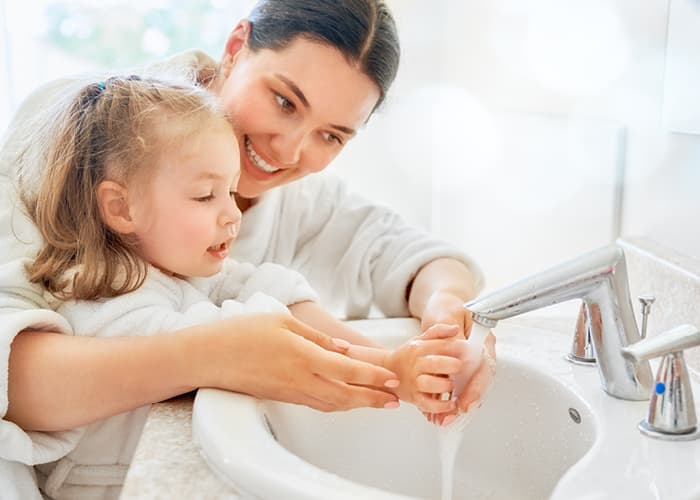
Ha pici baba kezecskéit kell megtisztítani, használjunk testhőmérsékletű szappanos vízzel nedvesített textilpelust vagy puha törölközőt! Nagyobb - ülni tudó, vagy legalábbis önmagát tartani képes - baba esetében az az ideális testhelyzet, ha lábunkat valamin megtámasztjuk, majd a kicsit a térdünkre lovagló pózban ültetve a kis praclikat folyóvíz alá tartjuk. A gyerekek általában élvezik az élményt - és a kivitelezés sem lehetetlen.
Mossunk kezet akkor is, ha nem áll rendelkezésre folyóvíz!
Az egyes betegségek és fertőzések kockázata magas lehet, így mossunk kezet akkor is, ha a kültéri tevékenység során nem áll rendelkezésre folyóvíz. Elsőként el kell távolítanunk a kicsi kezéről a rátapadt szennyeződéseket, koszt, sarat, melyre tökéletesen alkalmas néhány nedves törlőkendő. Ezután a kicsi kezét bőrbarát fertőtlenítőszerrel alaposan megtisztítva biztosíthatjuk, hogy valóban tiszták és biztonságosak legyenek a mancsok.
Fontos: Ügyeljünk rá, hogy a baba szemébe, szájába biztosan ne kerüljön a fertőtlenítőszerből, valamint gondoskodjunk a fertőtlenítőszer szárító hatásának ellensúlyozására valamely bababarát hidratáló alkalmazásával!
Mossunk kezet! Tipegők és még nagyobbak a fürdőszobában
A teljes kézmosási rutin kialakításához nagyon fontos, hogy mindig következetesek legyünk és mossunk kezet a gyerkőccel együtt, illetve mi magunk is. Beszéljünk sokat és magyarázzuk el a kézmosás fontosságát újra, meg újra.
Ha kell, csináljunk játékot a kézmosásból! Így biztosan minden kicsi lelkesen veszi ki a részét a tisztálkodásból.
És hogy hogyan vegyük rá egy dackorszakost arra, hogy tényleg sose felejtse el megtisztítani a praclikat? Íme néhány hasznos tipp, hogyan mossunk kezet tipegőkkel és a bölcsis-ovis korosztállyal hatékonyan és eredményesen!
1. Mutassunk példát és mossunk kezet!
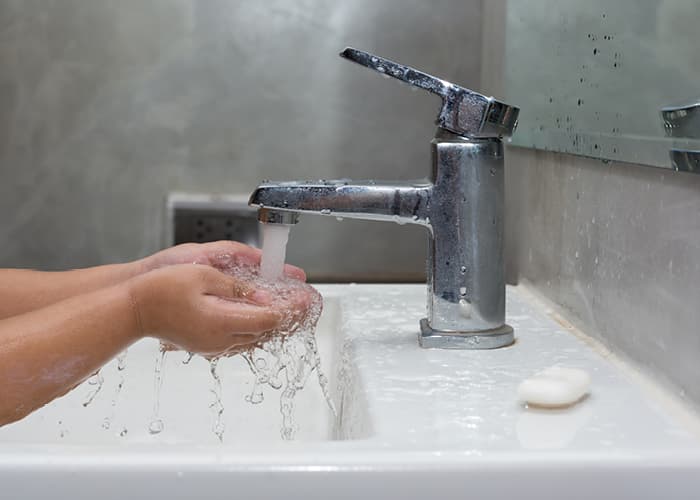
Egyetlen tett többet ér ezer szónál! Így ahelyett, hogy naponta többször szórakoztatnánk unalmas monológokkal az arra cseppet sem kíváncsi kétévest, inkább mutassuk meg, miről beszélünk. Mossunk kezet naponta többször is! Ha “szükséges”, kérjünk segítséget a csemeténktől! Így megmutathatja, mi mindent tud már a tisztálkodásról és megélheti saját sikereit!
2. Adjuk meg nekik az önállóság élményét!
Aki látott már tipegőt, az tudja, hogy a rémes kétéves nemcsak játék és mese, hanem a nagyon is fájdalmas rögvalóság. Egy kétéves ugyanis sohasem kér - kizárólag parancsol. Egy kétévest nem lehet meggyőzni se észérvekkel, se semmi mással. Neki akkor is KELL! és ő akkor is EGYEDÜL!, ha a világ visszafelé kezd forogni.
Ha azonban az egyes feladatokra mint kihívásokra tekintünk és a kicsik számára is az önállóság élményét kínáljuk - pl. egy kihelyett fellépővel -, könnye(bbe)n rávehetjük a törpét arra, hogy mossunk kezet naponta többször is.
3. Kommunikáljunk állandóan ÉS következetesen!
A nagy szavak nem sokat érnek, ha nincsenek mögöttük tettek. (Ezt előbb-utóbb minden szülő megtanulja, nem igaz?! ) A kézmosás rutinszerűvé válásához épp ezért mossunk kezet naponta többször a babával együtt és beszéljünk arról, miért van szükség erre a lépésre. A gyerekek mindent megértenek, ezért a (sok) beszéd az egyik leghatékonyabb mód arra, hogy elérjük, amit akarunk.
4. Énekeljünk!
Dalolni jó buli és az apróságok szeretik a dallamos tevékenységeket, így a hatékony és eredményes kézmosáshoz válasszunk kézmosó-dalt! A legegyszerűbb a Boldog szülinapot! című klasszikus, ebből ugyanis kettő kell ahhoz, hogy éppen elég ideig tisztítsuk a kezecskéket.
Rutinosabb - vagy dalos kedvű - szülők nyugodtan variálhatják a repertoárt, ez a kb. 15-20 másodperces időtartam ugyanis 3 strófánya Busz kerekének, egy teljes kör Ül a tó partján kárókatonának vagy 3-4 versszaknyi Bébicápának felel meg.
5. Móka és tanulás 2:1
A gyerekek képzelőereje hatalmas, megérteni viszont gyakran csak úgy tudnak dolgokat, ha látják is őket. Ezért nagyon praktikus lehet, ha nemcsak beszélünk a bacilusokról, hanem meg is mutatjuk őket!
Ehhez számos praktikus mesekönyv és videó áll rendelkezésre, a kézmosás szemléltetéséhez pedig bevethetünk néhány szuper mókás ötletet! Vegyük kézbe például apa borotvahabját, színezzük meg egy kis lemosható ételfestékkel és próbáljuk meg úgy összedörzsölni a praclikat, hogy az ujjak között, a csuklónál és a kézfej felső részén se maradjon színezetlen felület! Így a kicsik rögtön látni fogják, mire is gondolunk, amikor alapos kézmosásról beszélünk!
