
Így vedd rá gyermekedet a zöldségfogyasztásra!
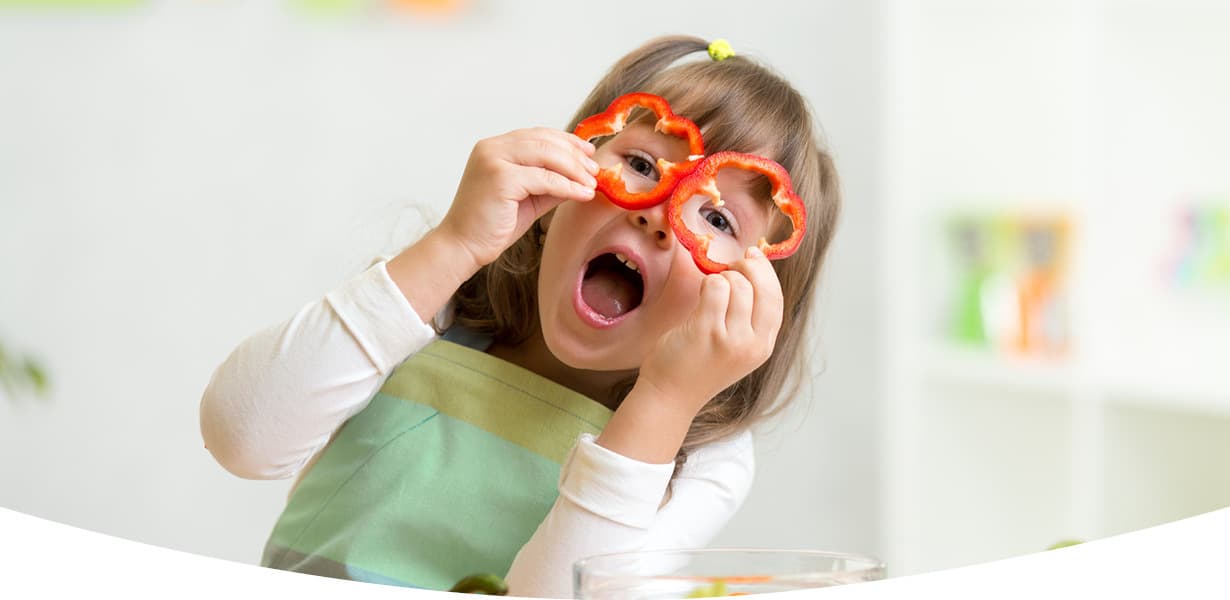
Így vedd rá gyermekedet a zöldségfogyasztásra!
Anyaként tudjuk, hogy gyermekünk egészséges és teljes értékű táplálásához elengedhetetlen a minél többféle szín, íz, textúra és zöldség a tányéron. De mi a helyzet akkor, ha a csemetét egyszerűen lehetetlen rávenni a zöldségfogyasztásra? Ismerjétek meg Ambrus Éva tippjeit és legyen nálatok is zöldhullám a tányéron!
A jó példa ragadós
Legyen szó nevelési kérdésekről, testmozgásról vagy az egészséges életmódról, szem előtt kell tartanunk, hogy a kimondott szónál sokkal erősebb a mutatott minta. A “más gyerek örülne ennek a finom csemegének” és a “dehát Peti is megeszi a zöldséget” nem sokat érnek, ha szülőként mi magunk a kenyér-rizs-krumpli szentháromságban érezzük jól magunkat.
Ne feledjük! A színes, izgalmas és változatos tányéron megbújó ízharmóniák elvarázsolják a kicsiket és a felnőtteket egyaránt. Arról nem is beszélve, hogy követve a tányér hármas felosztásának elvét - melyben a tál egyik felére színes, ízletes, vitaminban gazdag zöldségek kerülnek, a másik felén pedig a fehérjék és a szénhidrátok egyenlő arányban foglalnak helyet - nemcsak jobb közérzetre, hanem kiegyensúlyozottabb szénhidrát-bevitelre is számíthatunk.
Mennyi zöldséget és gyümölcsöt kell fogyasztani egy nap?
A WHO ajánlása szerint az optimális gyümölcs- és zöldségfogyasztás 400 g / nap, melyet a legtöbb európai ország lakóinak nem sikerül teljesítenie. Gondolom, nem lep meg senkit, hogy mi magyarok sem vagyunk közöttük…
Ha hozzáadjuk a napi zöldség- és gyümölcsbevitelhez az elfogyasztott gyümölcslevek mennyiségét is - amit ugyebár a magas cukortartalom és a gyors szénhidrát-felszívódás miatt csak kis mennyiségben és alkalomszerűen lenne érdemes fogyasztanunk! -, akkor azért a felnőttek egy jelentős százaléka teljesíti a határértéket, a gyerekek azonban még így is áltagosan 20%-kal elmaradnak az ajánlott mennyiségtől.
Ne beszélj zöldségeket! - avagy zöldségfogyasztásra nem lehet panasz
Mivel a hagyományos otthoni magyar konyha sok sót, rengeteg ízfokozót és számos további erős ízesítőt használ, gyakran érezzük úgy, hogy a zöldségeknek és gyümölcsöknek nincs is íze. Ez azonban nem igaz! Inkább csak arról van szó, hogy az erősen leterhelt ízlelőbimbóknak az ételek valódi íze elsőként idegennek, ízetlennek hat.
A babák erős ízlelőbimbói számára azonban épp ezek a természetes ízek jelentik az újdonságokat, ezért nem érdemes túlzott sózással elrontani azokat. A zöldfűszerek természetesen nem tilosak, de érdemes mértékletesen, kis mennyiségben alkalmazni azokat. (Különösen, ha aromás-olajos fűszernövényekről van szó.)
Tippek, hogy könnyen rávedd gyermekedet a zöldségfogyasztásra
A gyereknevelés kulcsa számos életkorban az az egyszerű feladat, hogy elhitessük a gyerekekkel, hogy nem akarunk valamit, amit nagyon akarunk. (Ritkábban ennek az ellenkezője.) A fordított pszichológia az élet számos területén gyakran beválik és nincs ez másként a zöldségekkel sem, de azért kell egy fifikás szülő is ahhoz, hogy a gyerekek rákapjanak a zöldségfogyasztásra.

5 módszer, amivel ráveheted gyermeked a zöldségfogyasztásra
1. Zöldségkrémek, mártogatók kisétkezésekre
A napi ötszöri-hatszori étkezés mikéntjének kitalálása, megszervezése nehéz feladat még egy talpraesett anyukának is. Ha különböző életkorú családtagokra kell finomhangolni a falatokat, még nehezebb a helyzet. Kiváló alternatívát jelenthetnek a különféle zöldségkrémek - csicseriborsókrém, zöldborsókrém, padlizsánkrém, sültpaprika krém, cukkinikrém stb.-, melyekhez kenyércsíkokat, házi ropogósokat, de akár hasábokra szelt sárgarépát, szárzellert is kínálhatunk a család apraja-nagyjának.
Előnyük, hogy akár előző nap, vagy nagyobb mennyiségben is elkészíthetők és akár a nagytesó uzsonnás dobozba is kerülhet belőlük.
2. Smoothie, jégkrém nyalóka, zöldség chips
Nassolni mindenki szeret és lássuk be, a kényeztetés néha nagyon is jól tud esni. Csakhogy a legtöbben már egy-két kocka csokoládétól is rövid idő alatt kerekdeddé válunk! Finom és egészséges áthidaló megoldást jelenthetnek a zöldség-gyümölcs mixből készült smoothie-k, illetve az azok fagyasztásával előállított jégkrém nyalókák, melyeknek a nagy melegek idején van igazán keletje.
A házi zöldségchipsek elkészítése rendkívül egyszerű, az eredmény pedig párját ritkítóan finom, ezekkel azonban érdemes vigyázni, mert még a sütőben készített verziók is nagyon kiadósak lehetnek!
3. Főzelékek, zöldségpürék és más köretek
Napjainkban a húsételek népszerűsége és dominanciája töretlen, ugyanakkor nem szabad elfelejtenünk, hogy az ily mértékű húsfogyasztás a szervezetnek és bolygónak is rendkívül megterhelő. Heti egy-két alkalommal tartsunk húsmentes napokat és fogyasszunk régi nagy klasszikusokat! A hagyományos főzelékek, tartalmas ragulevesek modernizált formái - melyekben zöldségekkel sűrítünk, egzotikus fűszerezést alkalmazunk vagy újfajta ízpárosításokat próbálunk ki - akkor is a kedvenceinkké válhatnak, ha korábban utáltuk az adott zöldséget vagy hüvelyest.
A sült és grillezett zöldségköretek, zöldségekkel gazdagított burgonyapüré és zöldséghabok olyan otthon is elkészíthető finomságok, melyek még a kezdő konyhatündérek számára sem jelentenek kihívásokat.
4. Zöldséges sütik és kenyerek
Mégis ki mond nemet egy céklás csokitortára, cukkinis brownie-ra, zöldborsós muffinra vagy más finomságra? No ugye, hogy senki?! Ha szeretnénk növelni a csemeték zöldségfogyasztását, elég, ha olyan kenyereket, lepényeket és édes finomságokat készítünk, melyekben észrevétlenül bújnak meg a nemszeretem hozzávalók. Édes kényeztetés, édes diadal!
5. Zöldségfasírtok
A reszelő a szakács egyik legjobb barátja, ezt minden valamirevaló konyhatündér tudja. Reszelve-csipegetve ugyanis finomabb a répa, ízesebb a cékla, kapósabb az uborka… Hogy a cukkini- és répafasírtról, meg a többi finomságról ne is beszéljünk!
A különféle hagyományos zöldségfasírtok isteniek önmagukban - pl. tejfölös vagy joghurtos mártogatóssal -, de salátát, szendvicset is gazdagíthatunk velük. Sőt, igazi ‘all in one’ megoldást jelentenek, hiszen az ebéd vagy vacsora maradéka másnap az uzsidoboz legnépszerűbb fogása lehet!
