
Így válassz etetőszéket a babának!
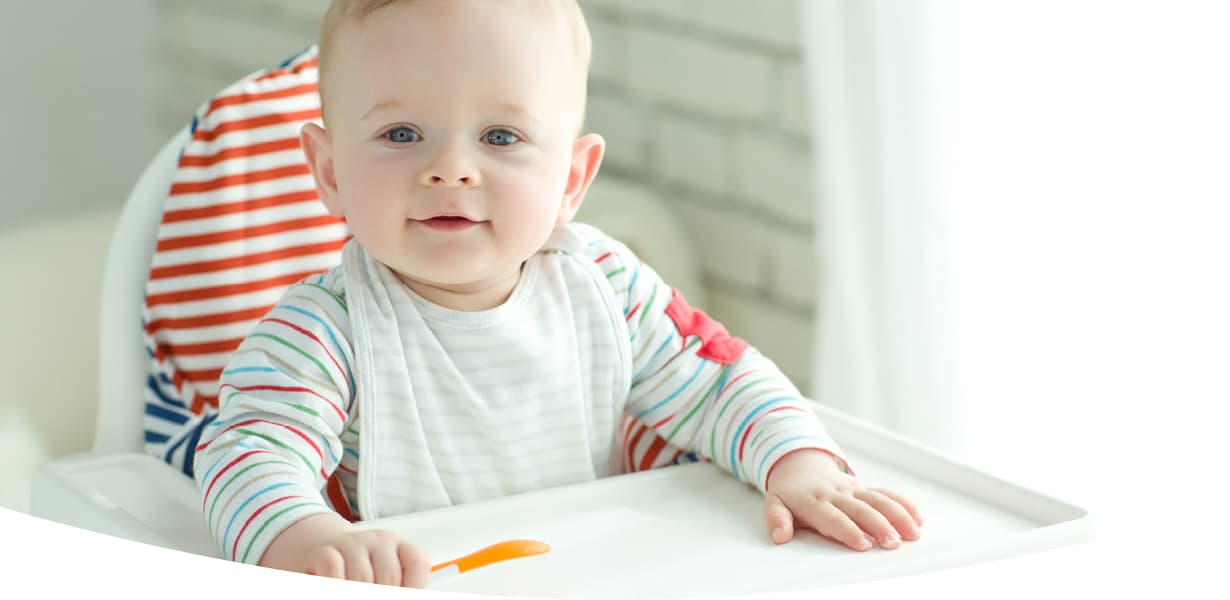
Így válassz etetőszéket a babának!
A babák számára forgalmazott kis- és nagybútorok, kiegészítők és mindenféle hozzátáplálást segítő eszközök az évezred legnagyobb biznisze. Legyen szó babakocsiról, kiságyról vagy etetőszékről, a low cost megoldásoktól a formatervezett méregdrága dizájntermékekig mindenféle árkategóriában és minőségben megtalálhatjuk a kedvencünket.
De vajon jobb-e, ami drága, ha etetőszékről van szó? Kell-e egyáltalán etetőszék a kicsinek és melyik etetőszék a legjobb a piacon? Ennek járunk most utána Ambrus Éva, a ManóMenü alapító-tulajdonosa, gyakorló édesanya segítségével.
Kell-e etetőszék a babának?
Bár a legtöbb kisgyermek számára a szülők előbb-utóbb praktikus és kényelmi okokból vásárolnak etetőszéket, az első hónapokban arra egyáltalán nincs szükség - és később is vannak alternatív megoldások, ha nem tudunk vagy akarunk dönteni.
A hozzátáplálás megkezdésekor, 4-6 hónapos korban még nem minden kisbaba tud stabilan ülni, így el kell döntenünk, melyik hozzátáplálással kapcsolatos ajánlást tekintjük ökölszabálynak: azt, hogy az allergének bevezetése még az első életév előtt kell, hogy megtörténjen, vagy azt, hogy kizárólag stabilan ülni tudó picivel kezdjük meg a hozzátáplálást.
Én magam azt gondolom, hogy ideális, ha mindkét feltétel teljesül, a későbbi ételérzékenységek és allergiák elkerülésének valószínűségét azonban az időben megkezdett hozzátáplálás segíti elő, így ezt a szabályt érdemes elsődlegesnek tekinteni. Ha a kicsi ebben az időszakban még nem ül stabilan egyedül, használhatjuk a babahordozót, vagy többféle szögben dönthető ülőfelületű etetőszéket. Ezáltal az etetőszék követi a kicsi mozgásfejlődésének lépéseit és komfortos, biztonságos és kényelmes pozíciót biztosít bármely életszakaszban.
Fontos tudnivaló ugyanakkor, hogy a félig fekvő helyzetben való etetés gondos odafigyelést és felelős szülői magatartást kíván, ugyanis ez a pozíció növeli az aspiráció, valamint a középfülgyulladás kialakulásának valószínűségét.
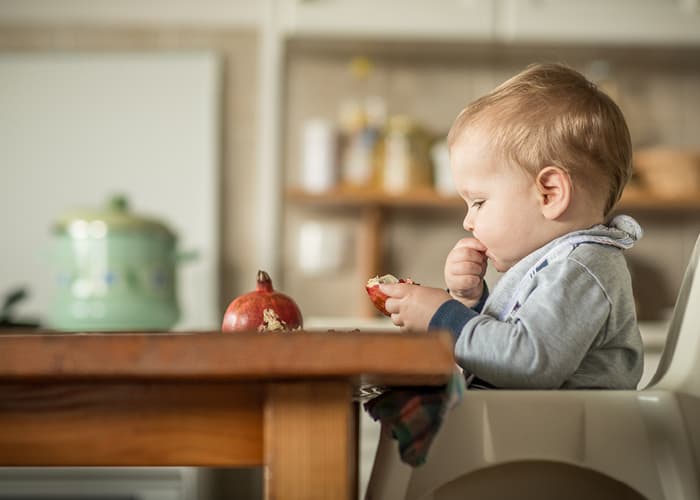
Így válassz etetőszéket a babának!
A tökéletes etetőszék megtaláláshoz számos praktikus és ergonómiai szempontot figyelembe kell vennünk, melyek közül a legfontosabbakat most össze is gyűjtöttem nektek. Lássuk, mire kell figyelni, ha etetőszéket választunk:
1. Olyan etetőszéket keressünk, amely stabilan tartja a baba hátát és derekát, segíti az egyenes ülést, de nem korlátozza a kicsit a mozgásban. A nyakat és fejet tartó, látóteret korlátozó megoldások feleslegesek és diszkomfortot jelenthetnek a baba számára.
2. Az etetőszék tálcája legyen kényelmesen elérhető a babának. Ha tálca nélküli etetőszék mellett döntünk, olyat válasszunk, mely kényelmesen az asztalhoz tolható, megfelelő magasságú és segíti a kicsi csatlakozását az asztaltársasághoz.
3. Ellenőrizzük még az üzletben, hogy a kiválasztott darabban a kicsi kényelmesen és stabilan ül-e középen. Ha ebből a központi pozícióból a baba önkéntelenül is kicsúszik vagy könnyen elficereg, nem a megfelelő etetőszéket néztük ki számára.
4. Olyan lábtartóval ellátott etetőszéket válasszunk, mely valóban megtámasztja a kicsit alulról. Ez nemcsak a stabil ülést segíti, hanem a baba gerincét és medenceövi régióját is kíméli.
5. Mivel még az azonos életkorú gyerekek testméretében is jelentős különbségek lehetnek, a tökéletes darab tálcájának, ülőfelületének és lábtartójának magassága módosítható. Így minden esetben a kicsi egyéni szükségleteihez alakíthatjuk a bútordarab jellemzőit, pl. emelhetjük a baba popsiját, igazíthatunk a tálcán vagy növelhetjük a tartófunkciót.
6. Ne feledkezzünk meg a biztonságról sem: az ideális etetőszék többféle erős és eltéphetetlen hevederrel akadályozza meg, hogy a csemete felfedezőútra induljon, kiessen vagy előre bukjon.
7. A higiénia fontos, ezért olyan darabot keressünk, mely kisebb részekre bontható, emellett mosható vagy cserélhető párnával, asztallappal rendelkezik. Nem biztos, hogy a legdrágább vagy minőségi fából készült verzió a legjobb. Ezeken ugyanis a sérülések és szennyeződések gyakran makacsabb nyomot hagynak, nehezebb őket tisztítani, miközben esztétikai és higiéniai okokból is fontos, hogy még a pacsmagolós-tapicskolós szakaszban is mindig tiszta székbe ültethessük a picit.
A baba szempontjából lényegtelen, a pénztárca szempontjából viszont nagyon is fontos, hogy lehetőség szerint olyan darabot válasszunk, melynek könnyebben amortizálódó alkatrészei könnyen és gyorsan pótolhatók, ezáltal kisebb hiba vagy sérülés esetén nem kell azonnal új etetőszéket választanunk. Emellett célszerű szem előtt tartani azt is, hogy mekkora hely áll rendelkezésünkre. Kisebb légterű ingatlanok esetében az összecsukható etetőszékek és az alternatív megoldások egyaránt jól jöhetnek.
Az etetőszék fajtákról röviden
A hagyományos fa és műanyag etetőszékek mellett népszerűek a székre tehető ülésmagasító etetőszékek, a textil etetőszékek, valamint az asztallaphoz csatlakoztatható etetőfotelek is. Ezek alkalmazása sem feltétlenül káros, amennyiben meggyőződtünk arról, hogy a kicsit stabilan, gerincét 90 fokban tartják, lábát pedig alátámasztják. Az egyszerűbb megoldások kedvelőinek pedig természetesen ott a hagyományos módszer nagyanyáink idejéből: karunkban is tarthatjuk a csemetét.
