
Miért együnk hüvelyeseket és gabonaféléket?
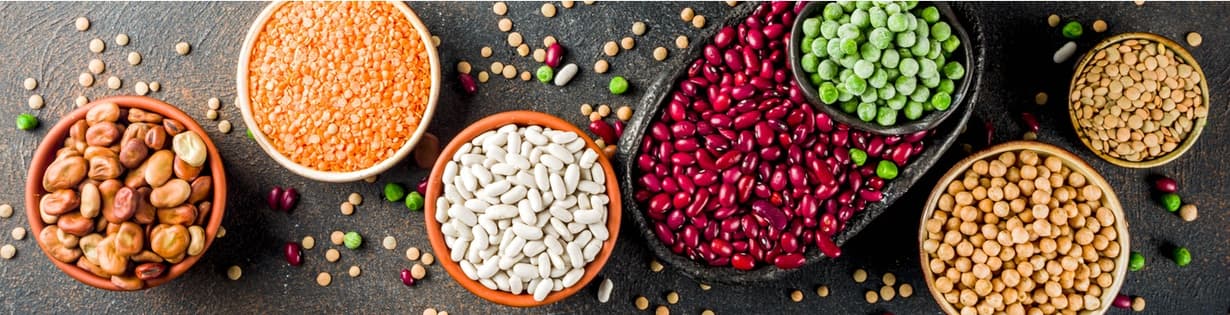
Nem kényszerítünk lencseevésre, és a kolbászos lencsére sem akarunk emlékeztetni. De megmondjuk, miért érdemes hüvelyeseket és gabonaféléket felvenni az étrendedbe. Arra is adunk néhány tanácsot, milyen finomságokra érdemes mégis emlékezni gyermekkorunkból.
Nézd meg, mit főzhetsz ki!

Hüvelyesek
A közismert iskolai lencsék mellett sok más hüvelyest is érdemes kipróbálni.
Beluga lencse
Talán csak a zöld és a vörös lencsét ismered, valamint a babot, de ezek mellett másfajták is kaphatóak. A beluga lencse egy apró fekete lencse. Nem szükséges előre áztatni, tehát sokkal gyorsabban el lehet készíteni, ráadásul nem érdemes túlfőzni. Tálalhatod köretként, vagy hozzáadhatod egy salátához, amely elegendő táplálékot nyújt az egész család számára.
Adzuki bab
Az adzukibab kicsi, hosszúkás bab, sötétvörös-barna színű, édes, jellegzetes ízű. Az adzukibab jobban emészthető, mint más hüvelyesek, és pozitív hatással van a vese működésére.
Mungóbab
A mungóbab zöld, a kisebb mungóbab pedig piros színű. Fogyaszthatjuk főzve, nyersen vagy csírázva. Íze olyan, mint a zsenge édes borsónak. A mungóbab kiváló fehérje-, kalcium-, magnézium-, vas-, kálium-, rost- és szinte az összes B csoportba tartozó vitamin forrása.
Csicseriborsó
A csicseriborsó kerek, enyhén dió ízű hüvelyes. A csicseriborsót áztathatjuk, vagy főzhetjük, vagy megvásárolható már puha konzervként. A csicseriborsót széles körben használják a konyhában: hagyományosan hummus készítésére, vagy édes sütemények és zsemlék készítésére.

Mi szól a hüvelyesek mellett?
A hüvelyesek a fontos fehérjék természetes forrása, és (a szója kivételével) kevés zsírt tartalmaznak. Számos antioxidáns és vitamin forrása. A hüvelyesek nagy mennyiségben tartalmaznak B-vitamint, de olyan ásványokat is, mint például vas, kalcium, magnézium, cink vagy kálium, amelyek pozitív hatással vannak a bőrre és a hajra.
Tipp: Ha nem fogyasztasz hüvelyeseket a puffasztó hatásuk miatt, megvan a megoldás: Mindig áztasd a őket ideális esetben egy éjszakán keresztül, ez csökkenti a hatást, valamint meggyorsítja a főzést és a csíráztatást. Csírázáskor a magok enzimatikus folyamatokon mennek keresztül, a fehérjék ezután jobban emészthetők, valamint vitaminokat képeznek, különösen a C-vitamint és az E-vitamint.
A hajtások ásványi anyagok és vitaminok nagyon gazdag forrása, és különösen alkalmasak salátákhoz. A hüvelyesek csírázására a borsó, a csicseriborsó, a lencse és a mungóbab a legmegfelelőbb.
Gabonafélék
Tarts egészségesebb gabonaféleket a konyhában, mint a fehér lisztből készült termékek. Néhányuk még glutént sem tartalmaz, így a gluténérzékenyek is megengedhetik maguknak.
Hajdina
A hajdina egyike volt az ősi növényeknek, főként lisztként használták. Ma ismét visszatért. Sokkal jobban emészthető, mint a búza, és nem tartalmaz glutént. A hajdina gyógyító hatással van az erekre, helyreállítja a rugalmasságot és enyhíti a varikózus okozta problémákat. Különféle ásványi anyagokat, kalciumot, magnéziumot, cinket és vasat tartalmaz. A hajdinából – amely nem teljes kiőrlésű gabona – reggeli kásánkat is elkészíthetjük. Gyorsan elkészül, és kiegészíthető pl. kakaóval, gyümölccsel vagy diófélékkel.
Tönköly
A tönköly, mint a hajdina, az egyik hagyományos összetevő volt. Jellemzően dió ízű, és a gabonafélék közül a legtöbb fehérjét tartalmazza. Gazdag ásványi anyagokban, különösen magnéziumban, kalciumban, káliumban, foszforban, cinkben és B1, B2 vitaminokban. Magas rosttartalma miatt elősegíti a megfelelő emésztést. Javítja a sejtek regenerálódását és véd a fertőzések ellen. Kásaként tápláló reggeli készíthető belőle.
