
Ha nem eszik a baba: nem éhes vagy baj van?
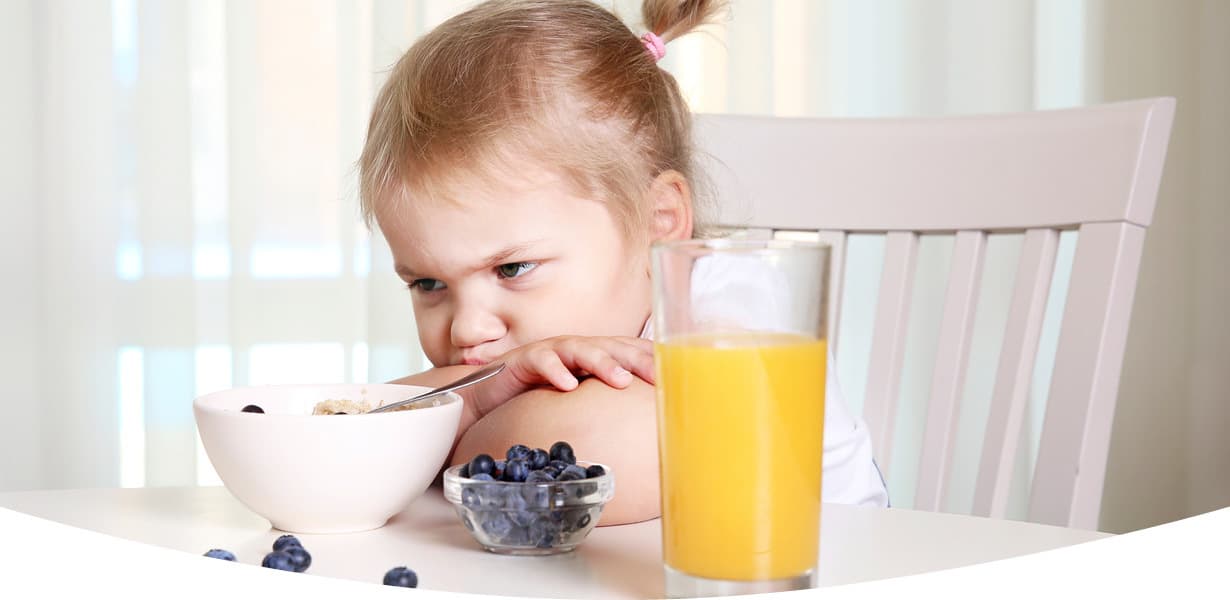
Nem éhes vagy baj van? Ha nem eszik a baba
Minden kismama és édesanya tudja, hogy a védőnőnél tett látogatások egyik központi kérdése az anyuka és a kisbaba aktuális testtömege. Nincs ez másként a rokonok látogatásakor sem: ha a baba hosszúkás és vékony, akkor “anyád nem ad neked enni, mi?”, ha pedig hurkás és pufók, akkor “mi az, hát Michelin-babát csináltak belőled, te kis drága?”. Mindegy mit csinálunk, valakinek folyton lesz valamilyen hasznos észrevétele vagy tanácsa, különösen, ha nem eszik a baba.
A nem evés legvalószínűbb oka: a fogzás
Ha a baba étkezésében és evési hajlandóságában változás áll be, gyakran egyszerűen csak a fogzás áll a háttérben. Igaz ez akkor is, amikor egy féléves csemetéről beszélünk és akkor is, ha a hátsó fogakkal küzdő kétévessel szenved együtt a család.
Ha azt tapasztaljuk, hogy a baba napok óta nem eszik, visszaesett az étvágya és elutasítja a kedvelt csemegéket is, érdemes gyors ellenőrzést tartani a szájüregben és általában gyorsan megvan a felelős. (Ami a leggyakrabban egy vagy több fogacska, kipirult torok, szájfertőzés, esetleg afta, vagy beteg mandula szokott lenni.)
Ha eddig jól evett és most nem eszik a baba, irány az orvosi rendelő!
Ha a fenti tüneteknek nincs jele, a kicsi viszont hosszabb ideje - néhány napja, két-három hete - látványosan kevesebbet eszik, érdemes konzultálni a gyermek háziorvosával. Bár a tünet hátterében valamely egyszerű és könnyen feltárható ok áll, mindenképpen diagnosztikai értékűnek kell vennünk egy ilyen változást és utána kell járnunk!
Inkább készüljön egy ‘felesleges’ hasi ultrahang és egy soron kívüli vérkép, mint hogy ne értesüljünk időben egy esetlegesen fennálló komolyabb problémáról.
Amikor látszólag nincs baj, mégsem eszik a baba
Számos oka lehet annak, hogy miért nem eszik a baba vagy a kisgyermek. Ezek között lehetnek olyan banális okok, mint hogy egyszerűen az adott életkorban minden jobban érdekli őt, mint maga az evés, és olyan összetettek is, mint hogy szájüregi izomtónus probléma, nyaki izomgyengeség vagy szenzorosság, esetleg autizmus spektrumzavar áll a háttérben.
Ezen állapotok diagnosztizálása nem a szülők feladata, megfigyeléseik azonban jelentősen hozzájárulnak a szakemberek által felállított diagnózishoz. Ha úgy véljük, gyermekünk nem eszik eleget, érdemes étkezési naplót készítenünk arról, pontosan mit, milyen elkészítési módot követően és milyen mennyiségben fogyasztott el az a gyermek az adott napokon. Ha lehet, fotózzuk is a tányérokat evés előtt és után! Így akár arra is ráébredhetünk, hogy a csemete valójában nem is eszik keveset, csak nem azokat az ételeket fogyasztja, amiket valójában neki szántunk.
A szülők szerepe a nem evés kialakulásában
Az étkezések ideális esetben közösségi élményként vannak jelen a gyerekek életében. Együtt, egy asztalnál fogyasztjuk el a finom falatokat, azaz a kicsik látják, hogy az étkezés nemcsak táplálkozás, hanem öröm is. Megfigyeléseik alapján korrigálják mozgásukat, ügyesebbé válnak az evőeszközök használatában, a rágásban és megtanulják az etikettet. Abban az esetben azonban, ha a gyerekek sosem látják együtt enni a családot, ha nem tapasztalják meg szüleikkel a közös étkezések örömét, természetes, hogy az ételek élvezete és az evés számukra sem olyan érdekes tevékenység.
Nem szabad elfelejtenünk azt sem, hogy a gyerekek nem evése egyes esetekben nem a probléma maga, hanem egy másik probléma tünete. Egyfajta jel, mely felhívja a figyelmet egy addig azonosítatlan családon belüli vagy a szülők párkapcsolatában fennálló problémára. Az sem kizárt, hogy a nem evés egyfajta kommunikáció: amíg a szülők a probléma felszámolásával vannak elfoglalva, egy irányba néznek, egy közös célért küzdenek, ezáltal együtt vagy legalábbis egymás mellett maradnak.
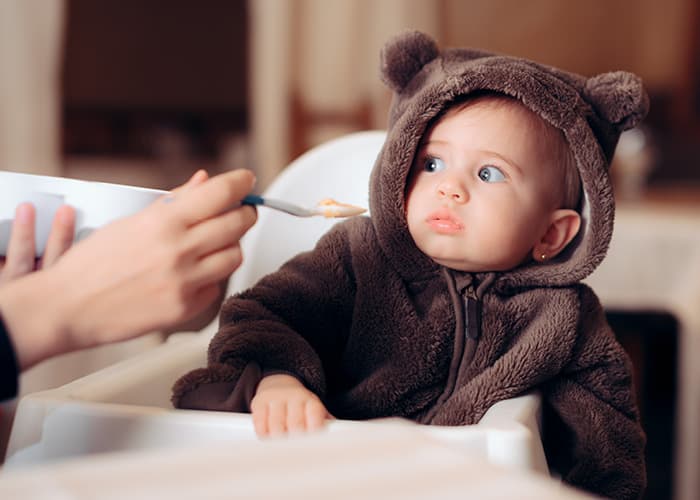
5 hiba, amit te is elkövetsz kisgyermeked táplálása során
Mire ideértél a cikkben, már komolyan szorongsz, hogy vajon elég jó szülő vagy-e? Nem kell, hiszen a válasz egyszerű: naná, hogy az! A legtöbb esetben a nem evés mögött nem komoly egészségügyi problémák vagy más fel nem tárt elakadások állnak, hanem olyan módszertani apróságok, melyeket egy kis tudatossággal könnyen helyre rázhatunk.
Lássuk, melyek a leggyakoribb hibák, amit a szülőként te is elkövetsz a gyermeked táplálása során!
Sokszor és sokféle étellel kínálod
A változatosság gyönyörködtet, de nem akkor, ha a kisgyermekek táplálásáról van szó! Ha afölötti aggodalmadban, hogy nem eszik eleget, folyton kínálgatod, könnyen lehet, hogy a kicsi tulajdonképpen egész nap eszeget vagy egyszerűen nem tud választani a számos felkínált alternatíva közül.
Jobban jártok, ha tartod magad a napi öt étkezéshez és az étkezések időtartamát is előre meghatározod! Így elkerülheted, hogy a tényleges evést egész napos csipegetés váltsa fel.
Ha azok közé a szülők közé tartozol, akik gyakran belemennek az étkezéseket övező játszmákba, olvass, tájékozódj és vess véget nekik! Ne kínálj különféle alternatívákat, ne bontsd meg az ötödik nasit, ne készíts háromféle szendvicset: add azt, amit eredetileg is adni akartál.
Cukros ivólevekkel, joghurtitalokkal, szörppel veszed el a kedvét a vízivástól
A különféle édes itókákban található természetes és finomított cukrok elegendő szénhidrátot jelentenek a gyerekek számára, így ha gyermeked sok ilyet fogyaszt, szinte sosem lesz éhes. Csakhogy ezek a szénhidrátok gyors felszívódású, kevés tápanyaggal, vitaminnal társult szénhidrátok, ezért nem segítik gyermeked egészségét, sokkal inkább rombolják azt.
Legyél következetes és ragaszkodj ahhoz, gyermeked kizárólag szénsav- és cukormentes vizet fogyasszon egész nap! Egy-egy pohár tej, gyümölcslé vagy tea nem a világ vége, de az egész napos ivólézés következménye az étvágytalanság vagy a túlsúly lehet.
Nem teremtesz nyugodt körülményeket az étkezéshez
Egy kisgyermek számára a világ tele van csodákkal és minden sokkal érdekesebb, mint az ‘unalmas’ étkezések. A probléma kiküszöbölése érdekében célszerű az étkezések idejére kikapcsolni a tévét és a rádiót, félretenni a telefonokat és tableteket, valamint terített asztal mellett, közösen étkezve elfogyasztani a finom falatokat.
Ezekkel a lépésekkel nemcsak az ingergazdag környezetet kapcsoljuk ki, hanem az étkezések módját is megadjuk, azaz a kicsik figyelmét is az étkezésekre irányítjuk. Nagyon fontos továbbá, hogy ha gyermeked feláll az asztaltól, ne vidd az ételt utána! Az étkezések történjenek az arra kijelölt helyen, azaz az étkezőasztalnál, az etetőszékben vagy a kicsi saját asztalánál.
Ragaszkodsz a saját elképzeléseidhez
A következetesség rendkívül fontos a kisgyermekkori egészséges étkezés kialakításában, a túl sok szabály ugyanakkor rendkívül korlátozza a kicsik önállósági törekvéseit. Engedd, hogy ő válasszon tányért, evőeszközt vagy poharat! Segítsd őt, hogy minél önállóbban merje magának az ételt, maga alakítsa az egyes fogások mennyiségét és hagyd, hogy egyedül egyen akkor is, ha minden csupa maszat és kosz lesz körülötte!
Ezzel megerősíted őt abban, hogy képes önállóan döntéseket hozni és van hatása arra, mi vele történik, ráadásul finommotoros készségei is fejlődnek! Hasonló a helyzet az igény szerinti hozzátáplálással is: ha azt tapasztalod, hogy gyermeked inkább a darabos, önállóan végzett étkezés iránt mutat érdeklődést, kövesd a jelzéseit, hiszen nála jobban senki se tudja, mire van szüksége!
Rendszeresen hozod szóba az ő nem-evését mások előtt
A bodyshaming és az étkezési zavarok kialakulása már jóval a kiskamaszkor előtt megkezdődik. Ha nem akarsz olyan szülő lenni, aki akaratán kívül is hozzájárul ahhoz, hogy gyermekének egészségtelen viszonya legyen az étkezéssel és az étellel, fontold meg, mikor mit mondasz! A husisabb kislányok és pufókabb kisfiúk sem igénylik a megszégyenítést, a cikizést vagy a gúnyolódást, különösen nem az édesanyjuktól vagy a rokonaiktól. Vigyázz a szavaidra, vigyázz gyermeked testi-lelki egészségére te is!
