
Gyermekkorban kialakuló gyakori bőrproblémák (ekcéma)
Gyermekkorban kialakuló gyakori bőrproblémák - Ekcéma
Csecsemő és gyermekkorban az atópiás ekcéma a leggyakoribb, mely egy öröklött hajlamon alapuló, nem fertőző állapot.
Tünetei: száraz, hámló, viszkető, vörös elváltozások. Ritkábban nedvedző hólyagok is kialakulhatnak.
Leggyakrabban az arcon jelennek meg, de kiterjedhet a könyök,- és térdhajlat a csukló, a boka és a nyak területére is.
A tünetek jellemzően időről- időre visszatérnek. Az esetek többségében az ekcéma a kor előrehaladtával fokozatosan javul.
Mely tényezők válthatják ki az ekcémás tünetek fellángolását?
- Hőmérséklet/páratartalom: A hideg kinti levegő és az alacsony páratartalmú, száraz benti levegő
- Ruházat: a szoros, műszálas ruházat irritálhatja az amúgy is érzékeny bőrt
- Allergének: élelmiszerekben (tej, tejtermékek, csokoládé, apró magvas gyümölcsök, olajos magvak), illetve a levegőben terjedő allergének (poratkák, penészfélék, állati szőr)
- Mosószerek és öblítők
- Stressz
- Lázas, hurutos megbetegedések alkalmával a tünetek fokozódnak, fellángolnak
Hogyan előzhető meg a tünetek kialakulása?
- Kerüljük azokat a helyzeteket, anyagokat melyek szerepet játszhatnak fellángolásokban.
- A fürdetés langyos vízben (kb. 30°C) rövid ideig történjék. Bár a legtöbb baba jól érzi magát a vízben és élvezi a fürdőzést, a hosszú fürdetések biztosan nem tesznek jót bőrének.
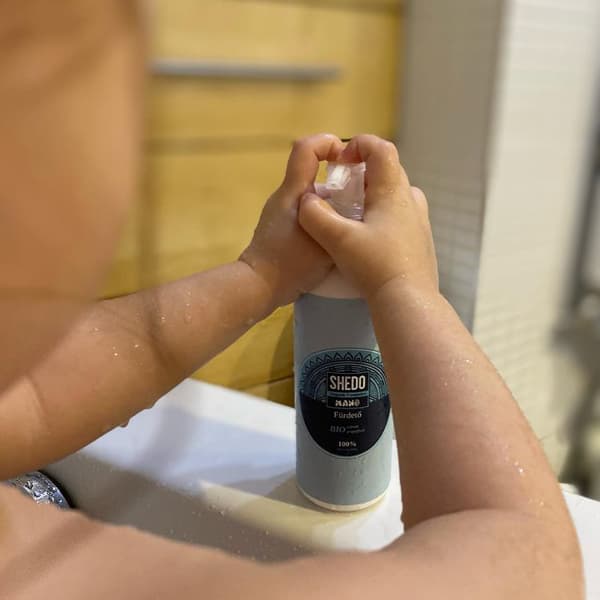
- Tisztítsuk magas olajtartalmú, gyengéden tisztító fürdetővel gyermekünk bőrét. Szappan helyett - mely lúgos kémhatásának köszönhetően eltolhatja a bőr normál ph-ját – válasszunk természetes összeevőkből álló, savas kémhatású fürdetőt. A SHEDO Manó fürdetők kiválóan alkalmasak tusfürdőként használva vagy vízhez adva.
- A fürdetés után a nedves bőrt puha, jó nedvszívó ruhával itassuk fel, sohase dörzsöljük a bőrt.
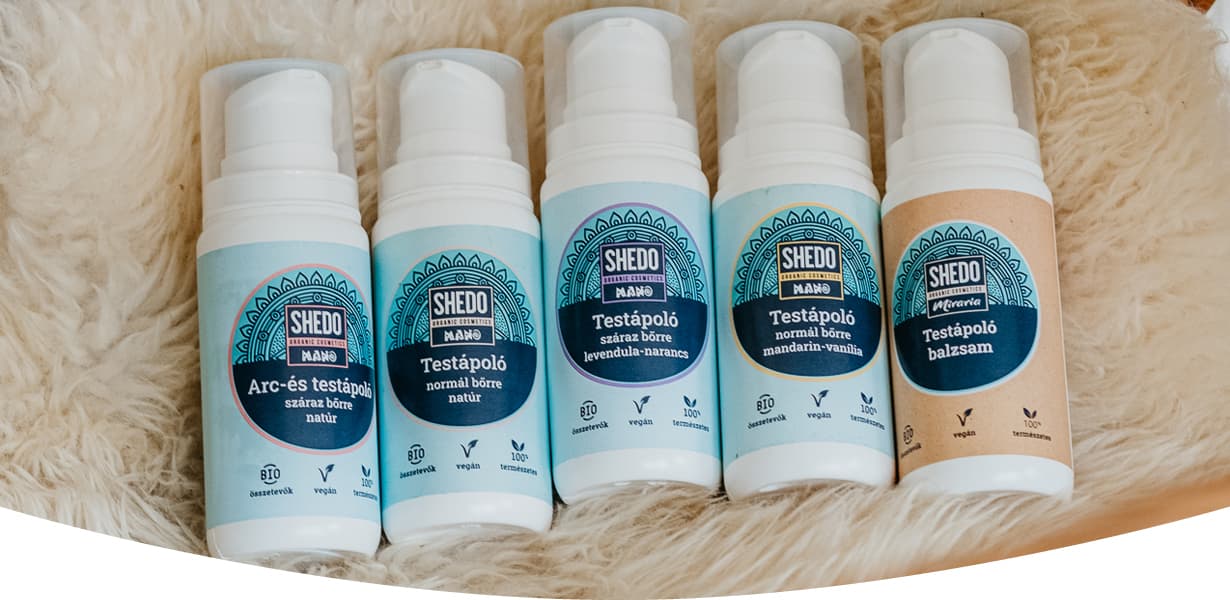
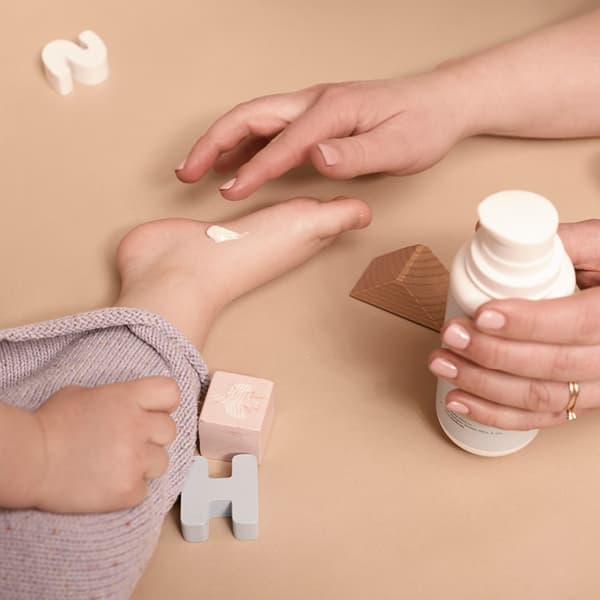
- Fontos, hogy ne hagyjuk kiszáradni a bőrt. Biztosítsunk számára rendszeres, intenzív ápolást. Használjunk növényi olajokban és vajakban gazdag, hidratáló, tápláló tulajdonságú testápolót minden nap. Válasszunk olyan terméket, mely tartalmaz gyulladáscsökkentő és regeneráló hatóanyagokat is. Ilyen termék, a kifli.hu kínálatában is megtalálható SHEDO Manó Arc-és testápoló.
- Ajánlatos, hogy az ekcémás gyerekek puha pamut anyagból készült ruházatot viseljenek és a ruhák ne legyenek szorosak.
- Kerüljük a szintetikus anyagokat tartalmazó mosószereket és öblítőket. Számos természetes és allergén-mentes változat kapható már, válasszunk inkább ezek közül.
- Ekcémás csecsemők számára a legideálisabb, ha hosszú ideig kapnak anyatejet. Elválasztáskor tehéntejmentes tápszer adása javasolt és az első életévekben a tejtermékek, a tojás fogyasztását érdemes korlátozni és más élelmiszerek – a csokoládé, az olajos magvak, a füstölt áruk – fogyasztását is jobb ha minimalizáljuk. A diétát, a megszorításokat nem szabad túlzásba vinni.
Milyen kezelési lehetőségek vannak, ha már kialakultak a tünetek?
- Hidratáló krémek és testápoló balzsamok: fentebb már említettem, hogy megelőzés céljából nagy jelentősége van a hidratáló testápolók használatának. Enyhébb esetekben, amikor a fellángolás még kezdeti szakaszban van, egy jól megválasztott készítménnyel meg is akadályozható a súlyosabb tünetek kialakulása. Törekedjük arra, hogy magas minőségű, természetes készítményt válasszunk! A SHEDO Miraria Testápoló balzsam tökéletes választás!
- Viszketés elleni szerek: Az ekcéma egyik jellegzetes tünete a viszketés. A viszketés a csecsemő nyugalmát zavarhatja, nem tud pihenni, aludni, a sok vakarózástól ingerlékennyé válik. A viszketés, vakarózást von maga után, amely tovább súlyosbíthatja a panaszokat. Ennek köszönhetően akár felülfertőződés is kialakulhat. Súlyosabb esetekben az ekcéma kezelésében a viszketés csökkentése céljából úgynevezett antihisztamin hatású gyógyszerek adása válhat szükségessé. Ezek egy része gyógyszertárban vény nélkül is megvásárolható, de 0-2 éves korig csak orvosi felügyelet mellet használhatók.
- Lokális szteroidok: A szteroid tartalmú krémek és kenőcsök a gyulladt bőr pirosságát és viszketését gyorsan enyhítik. Hamar látványos javulást hoznak, hosszú távú (néhány hetet meghaladó időtartamú) alkalmazásuk azonban nem ajánlatos, mert komoly mellékhatásokkal jár. Ilyenek a bőr elvékonyodása, sorvadása, értágulatok kialakulása, a bőr felülfertőződése. Mivel a csecsemő vékony bőréről könnyen felszívódhat, általános tünetek is jelentkezhetnek. Szteroid tartalmú krémek elrendelését az kezelőorvos mindig alapos mérlegelés után javasolhatja.
- Antibiotikumok: ritkán előfordulhat a bőrtünetek baktériumokkal történő felülfertőződése. Ilyen esetekben szükségessé válhat antibiotikus kezelés orvosi felügyelet mellet.
