Minden, amit a ginről tudni érdemes
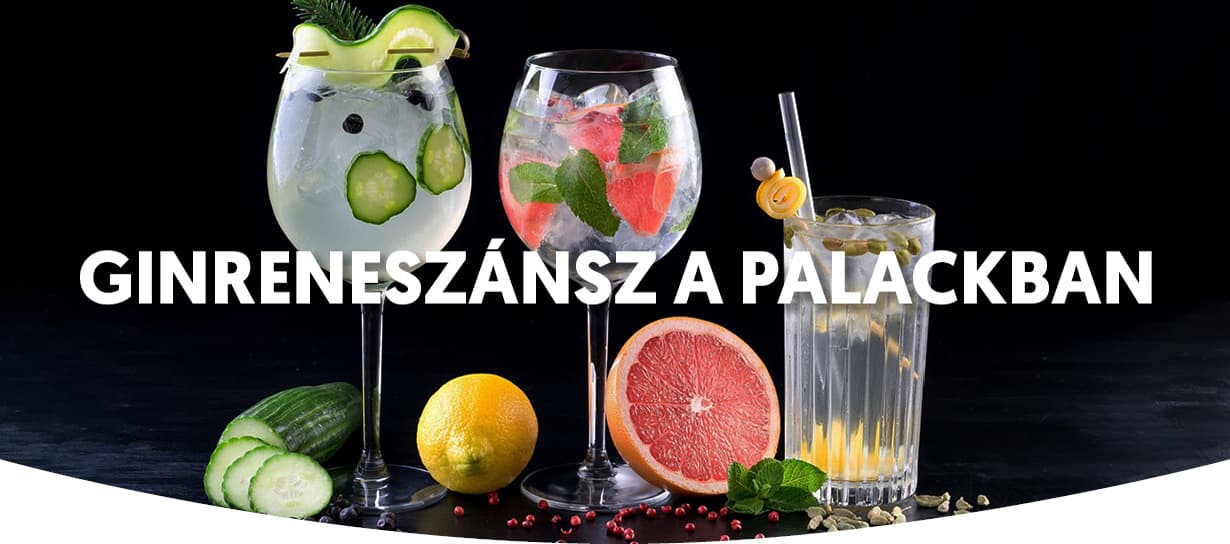
A napjainkban második aranykorát élő gin az egyik legnagyszerűbb, ugyanakkor legsokoldalúbb párlatok közé tartozik. Egyszerű gyártási technikája és a felhasználható alapanyagok mennyisége a végtelen lehetőségek tárházát nyitja meg a régi és új lepárlók előtt. A ginek iránti kereslet évről évre nő, miként e kellemesen borókás ital népszerűsége is.
A gin fűszernövényei: ízek, aromák, zamatok
A ginek változatos ízvilágban jelennek meg. A ginek tradicionális növénye a jellegzetesen keserédes fenyős-levendulás ízű boróka, és a törvény elő is írja, hogy minden ginnek tartalmaznia kell ezt a hozzávalót. A koriandermag és az angyalgyökér szintén gyakori „vendég” a ginekben, miként a citrusfélék egy maghatározott csoportja is. Természetesen számos változatos növény és gyógynövény (kardamom, bodza, édesgyökér, fahéj, stb.) színesítheti még a ginek széles választékát.
A leggyakoribb ginfajták
1. Jenever
A holland genevert (vagy jenever) a gin elődjének tartják, melyet legalább részben malátázott árpából (később egyéb malátázott gabonából is) készítettek, és borókával ízesítettek. Neve a boróka latin nevéből (juniperus communis) ered, ez fejlődött tovább a gin szóvá Angliában. Feltalálását többnyire Sylvius de Bouve holland vegyésznek és alkimistának tulajdonítják, akinek nyomán ezt az italt a 16. századtól gyógyszerként árusították.
2. London Dry
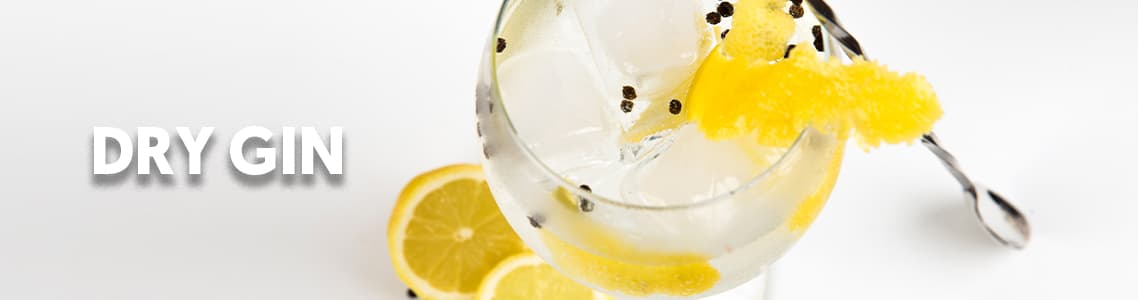
London Dry gin esetében az első lepárlás utáni párlat minimum 70V/V% alkoholtartalmú kell, hogy legyen. Továbbá a végtermék 1 literében a cukortartalom maximum 1g lehet (erre utal a „dry” jelző). Végezetül pedig a vízen kívül nem tartalmazhat semmilyen utólag hozzáadott összetevőt, illetve színezéket.
3. Old Tom gin
Ez a gintörténelemben a jenever és a London Dry gin típus közé esik. Korábban sok cukrot használtak az előállításához, de manapság természetesen ez a kategória is szabályozott, magas minőségben létezik. Tradicionálisan a csomagolásán gyakran megjelenik egy fekete macska.
4. Ginlikőrök
Bár ginnek nem nevezhetőek alacsony alkohol- és magas cukortartalmuk miatt, de nem mehetünk el szó nélkül a ginalapú likőrök mellett sem. Ezek esetében a kész gint ízesítik tovább fűszerekkel, gyümölcsökkel, majd édesítik. Különösen sokoldalú kategória, tisztán, jéggel, long drinkekbe, és egyéb koktélokba is kiválóak intenzitásuk miatt.
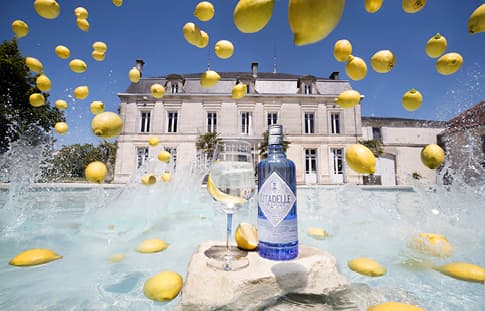
Gin Citadelle (0,7 l, 44%)
A Citadelle gint a kiváló minőségű cognacokat és rumokat gyártó Maison Ferrand készíti saját, cognaclepárláshoz használt Charentaise üstjeiben. E kiváló gin 19 gyógy- és fűszernövényt tartalmaz, s olyan összetevők jelennek meg benni, mint például a borsikafű, édeskömény, vagy az ibolya, stb.
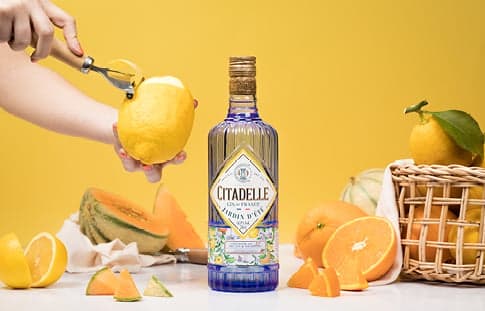
Gin Citadelle Jardin D’Été (0,7 l, 44%)
Ebbe a ginbe 22 féle növényt áztatnak, majd párolják le őket. A sima Citadelle-hez képest egy még gyümölcsösebb íz előállítása volt a cél, a dinnye, a citrom és a narancs frissítő jegyeivel. Erre utal a gin neve is: jardin d'été, azaz nyári kert.
Gin Bobby's (0,7 l, 42%)
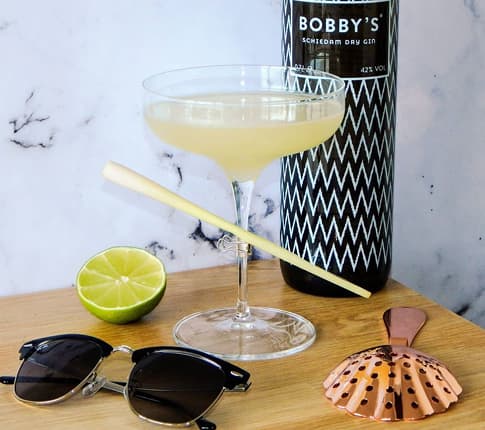
Az indonéziai származású Jacobus „Bobby” Alfons 1950-ben vándorolt ki Hollandiába, ahol az otthonról ismert indonéz fűszerekkel ízesítve megalkotta saját ginreceptjét. A Bobby’s gint az általános ginfűszerek mellett az indiai citromfű, szegfűszeg, kubebabors és fahéj teszi még inkább karakteressé.