
Éhség és túlevés: mennyit egyen a baba?
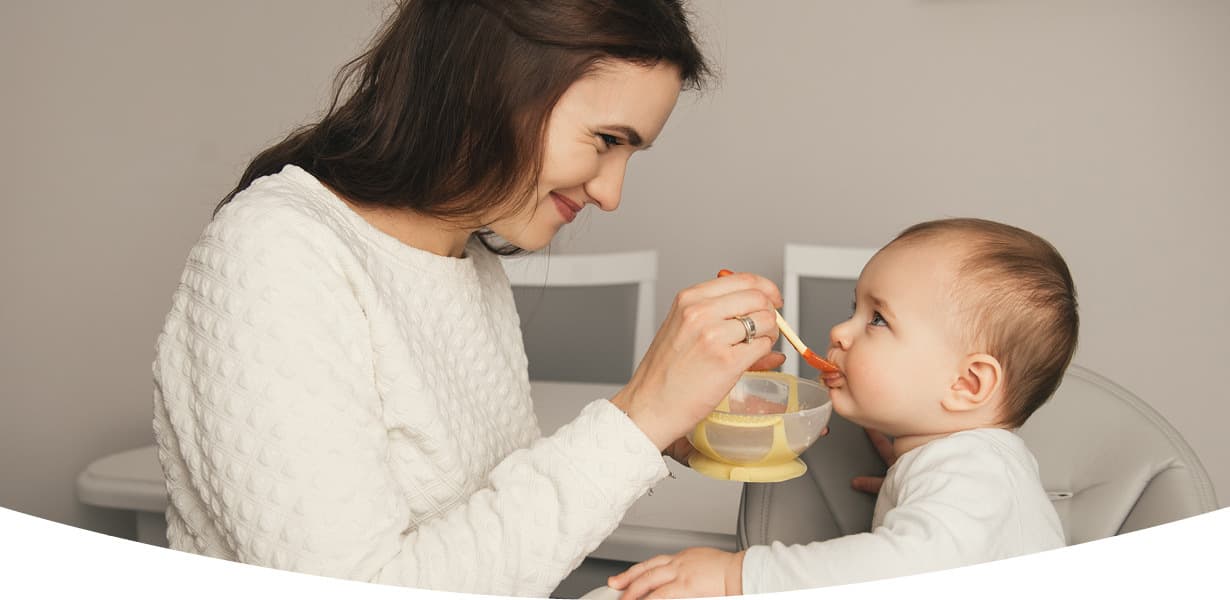
Éhség és túlevés: mennyit egyen a baba?
Ahogy a felnőttek sokfélék lehetnek, úgy a babák személyisége is eltérő. Vannak közöttük, akik már az első perctől kezdve boldogan kóstolgatnak, mások bizalmatlanok és nem nagyon vágynak anyatejen kívül másra . Akad, aki ösztönösen habzsol, de olyan is, aki szinte csak nyammog és egy örökkévalóságig tart vele az étkezés… De vajon kell-e aggódnod és mikor, mennyit egyen a baba?
Hozzátáplálás vs. elválasztás
Legtöbben ezt a két kifejezést egymás szinonimájaként használják, de két teljesen más dolgot kell érteni alatta. A hozzátáplálás során (kb. a baba 1 éves koráig) a szoptatás lehető leghosszabb fenntartása érdekében, a meglévő szoptatások mellett kínáljuk a babát a különböző szilárd ételekkel. Tehát az étkezések előtt megkínáljuk a babát anyatejjel, majd ezt követően, mielőtt még jóllakott, kínálunk számára szilárd falatokat (püré vagy kézbefogható falatok formájában).
Ha viszont az a cél, hogy elválasszuk a babát, tehát folyamatosan csökkentsük a szoptatások számát, akkor az étkezések megszokott idejében előbb kínáljuk a szilárd ételt, majd csak ezt követően szoptassuk meg a babánkat, ha igényli.
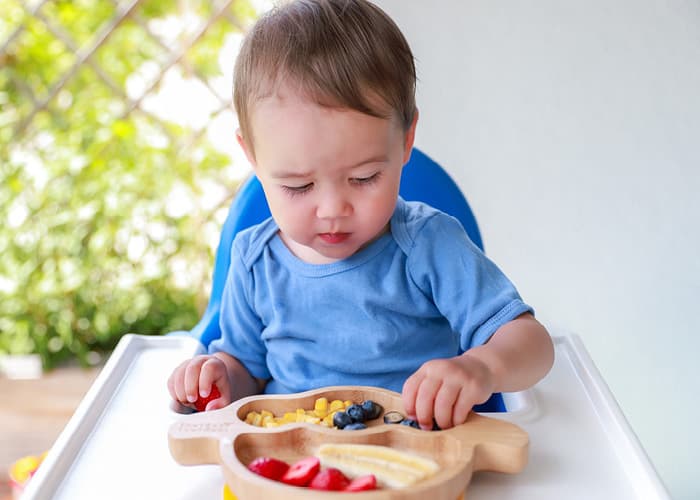
Evészavar helyett
Az édesanyák mindent meg szeretnének adni a gyermeküknek, ezért sokan követnek el tipikus hibákat. Az egyik ilyen, hogy túletetik a kicsit, azaz túl gyakran kínálják őt, vagy túl sok ételt etetnek meg vele. Ez azonban épp olyan káros, mintha éheztetnék a gyermeket!
Nagyon fontos, hogy babád szoptatása, illetve később hozzátáplálása során figyeld a kicsi jelzéseit! Idővel magad is tapasztalod majd, mikor szomjas, mikor éhes és hogy egy-egy étkezésen belül mikor elég számára az elfogyasztott mennyiség. Lehet, hogy az egyik nap rengeteget eszik, másnap szinte alig csipeget. Ne aggódj, felejtsd el a beidegződéseket, a méricskélést és hagyd, hogy akkor fejezze be az evést, amikor szeretné!
Azzal, hogy teret adsz a jelzéseinek, segítesz neki, hogy felismerje teste üzeneteit és kialakuljon az étkezéshez való egészséges viszonya. Ha túl gyakran eteted őt, vagy puszta aggódásból szinte megtömöd a pocakját, könnyen lehet, hogy később sem tudja majd, mikor éhes vagy nem hagyja abba az evést akkor, amikor már jól lakott.
Mennyit egyen a baba?
A hozzátáplálás kezdetben valójában csak kóstoltatást jelent. Először érdemes a tízóraival kezdeni, majd amikor a csemete már szépen összebarátkozott az ízekkel és a textúrákkal, gyümölcsökkel, kásákkal, joghurtal kiváltani ezt az étkezést. Ezután jöhet az uzsonna, majd az ebéd, végül a reggeli, majd a vacsora. A lépcsőzetes kiváltásra azért van szükség, mert a kicsi szervezete számára ez a legkevésbé megterhelő metódus.
- Az első időszakban, amikor a baba kb. hat hónapos, napi 1 alkalommal, átlagosan 2-4 evőkanál, sűrű mézhez hasonló állagú ételt adj neki.
- Hét hónaposan az étkezés kiegészítésére 3-5 evőkanál, kiváltására pedig 120-150 ml pürét adj a kicsinek, melyből annyit ehet meg, amennyi jólesik neki.
- Nyolc-kilenc hónaposan a legtöbb babánál már egy vagy két étkezést sikerül kiváltani, ilyenkor alkalmanként 150-200 ml étellel kínáld őt! Ha a kicsi nem mutat érdeklődést az étkezések iránt, légy résen és barátkoztasd akár napi három alkalommal is zöldséggel gyümölccsel, gabonával, tejtermékekkel!
- Tíz-tizenkét hónapos korban a legtöbb kisbabánál már akár három, vagy annál több teljes étkezést is ki lehet váltani. Ilyenkor átlagosan 200 ml ételt fogyaszt a baba, de fontos figyelni, hogy a napi kb. 500 ml anyatej vagy tápszer is minden nap rendelkezésére álljon!
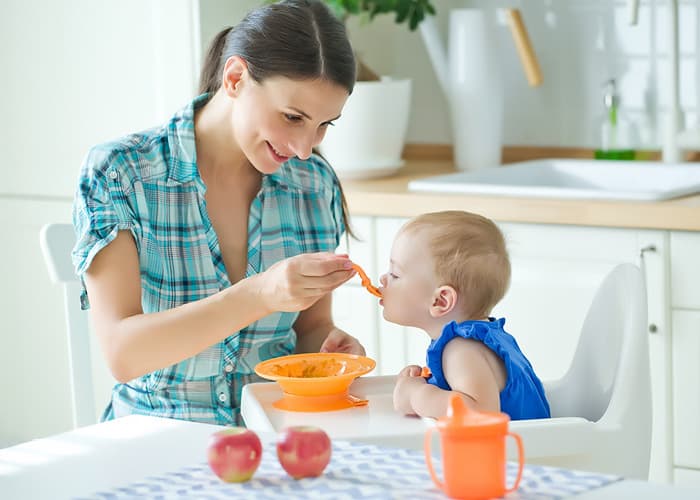
A baba táplálásának legfontosabb alapszabálya
Ha biztosra akarsz menni a baba táplálása esetén, nincs szükséged iránytűre, egyszerűen csak hallgass a babádra! Ő pontosan tudja és jelzéseivel neked is elmondja, mire van szüksége.
Ha azonban azt tapasztalod, hogy babád mind a pürés, mind a BLW hozzátáplálással elutasító, ha nem kedveli az ízeket vagy hét-kilenc hónaposan sem akar váltani az anyatejről, tápszerről, jelezz a védőnőnek és kérd háziorvosotok tanácsát!
Legyen az étkezés közös öröm, kaland, melyet együtt éltek át!
