
Egészséges táplálkozás a várandósság alatt
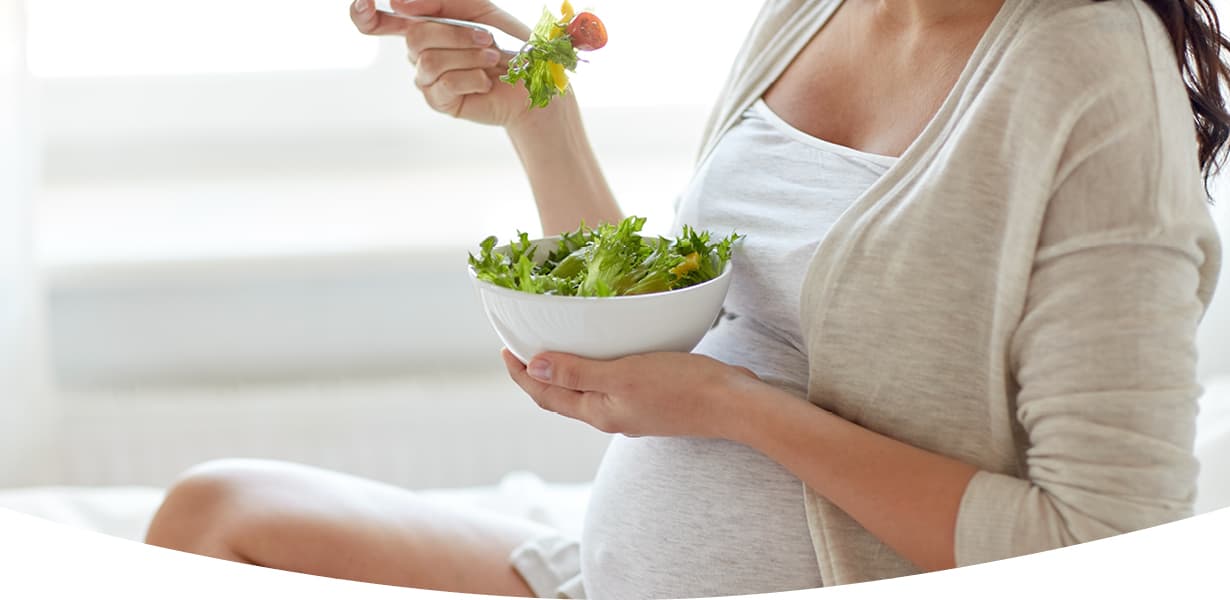
Egészséges táplálkozás a várandósság alatt
Amikor egy pár gyermekre vágyik, a hetek múlása csupa izgalom: sikerült-e, itt van-e, megfogant-e már az apróság, akiről mindketten álmodnak titokban? És ha végre pozitív a teszt, dobog a kicsike szív, azonnal érkezik a pánik, hiszen egy gyermek érkezése nem csupán izgatott várakozás, hanem megannyi komoly változás.
A kismama - különösen az első hónapokban - fáradékony, másként terhelhető, érzelmileg labilis, mentálisan kimerült és bizony nemritkán erősen kívánós is. De mit ehet, mit egyen a kismama, mire érdemes figyelni és mi az, amit ki kell hagyni akkor is, ha majd’ megőrül érte az anyuka? Ezeket a kérdéseket vesszük górcső alá a ManóMenü alapítójával és gyakorló édesanyával, Ambrus Évával.
Kettő helyett eszel?!
Mi magyarok étellel szeretünk. Eszünk, ha bánatosak vagyunk, eszünk, ha ünnepelünk és étellel kedveskedünk azoknak, akik igazán fontosak számunkra. Így aztán, ha gömbölyödik a pocak - és ezzel együtt hétről hétre szűkül a gyomorkapacitás -, mást se hallunk majd, mint hogy ‘egyél még!’, ‘csak egy kicsikét!’, ‘nem most kell diétázni!’ és ‘amúgy is kettő helyett eszel!’.
Ez azonban sajnos-szerencsére nem igaz! Sőt, nagyon fontos, hogy a várandósság hónapjai alatt (is) elsősorban a minőségen és ne a mennyiségen legyen a hangsúly. Természetesen érthető, hogy a babavárás érzelmileg és fizikailag is megterhelő hónapjai alatt az anyukák egy kicsit megengedőbbek önmagukkal szemben és lecsúszik egy-egy krémes, vagy ipari mennyiségben fogy a görögdinnye, a túlzásba vitt szénhidrátfogyasztás azonban nem várt kellemetlen következményekkel járhat.
Ne feledjük, a várandósság inzulinrezisztenciás állapot, azaz normál cukorterheléses értékek esetén is rendkívül fontos a gyors és lassú felszívódású szénhidrátok egyensúlyának fenntartása, a rostok, vitaminok és ásványi anyagok biztosítása a kismama és a kisbaba egészsége érdekében.
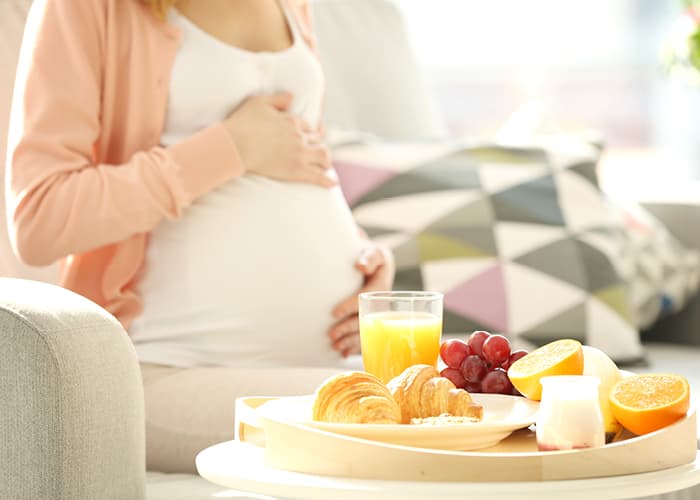
A jelentős súlygyarapodás lehetséges okai a terhesség alatt
A legtöbb kismama retteg a havi védőnőnél tett látogatástól és a mérlegelés általában a legkevésbé kedvelt napirendi pont. Fontos tudni ugyanakkor, hogy a várandósság szükségszerűen együtt jár valamekkora súlygyarapodással, ha a kismama alacsony vagy normál BMI értékekkel bír.
Mivel a kisbaba, a méhlepény, a magzatvíz és a megnövekedett keblek súlya összesen hat-tíz kilót is kitehet, ekkora hízás nyolc-kilenc hónap alatt teljesen természetesnek mondható. Ha azonban a súlygyarapodás hirtelen, jelentős vagy sportos és kiegyensúlyozott életmód mellett is aggasztó mértékű, mindenképp fokozott odafigyelés és szakorvosi kontroll szükséges.
A jelentős súlygyarapodás legvalószínűbb okai a várandósság alatt:
- a pajzsmirigy megbetegedése;
- terhességi diabétesz vagy korábban rejtett inzulinrezisztencia;
- mozgásszegény életmód és szénhidrát-domináns étrend;
- vizesedés.
Mindegyik esetben fontos, hogy a kismama konzultáljon szülész-nőgyógyászával és szükség esetén endokrinológus, diabetológus vagy kardiológus segítségét kérje.
Vitaminok és ásványi anyagok a várandósság alatt
Azt ma már nem kell elmondani az anyukáknak, hogy a baba és a mama egészségének támogatására minden esetben fontos a kiegyensúlyozott vitamin- és ásványianyag-bevitel. Erre számos vitamin komplex, várandósvitamin és más készítmény áll rendelkezésre, de kevesen tudják, hogyan érdemes szedni a különféle hatóanyagokat.
A legfontosabb, hogy a C- és D-vitamin, a folsav, a magnézium és a vas bevitele optimális mértékben történjék. A felszívódás hatékonyságának maximalizálás érdekében célszerű a különféle vitaminokat és ásványi anyagokat eltérő időpontban, 2-4 óra különbséggel bevenni. A szükséges mennyiségek megválasztásában rendelkezésre álló vérvizsgálati eredmények ismeretében a szakorvosnak kell döntenie. Amennyiben ez nem hozzáférhető, mindig kérjük a gyógyszerészek tanácsát!
Tiltólistás ételek a várandósság alatt
Minden kispapának van egy vicces sztorija arról, hogy valamilyen lehetetlen helyen vagy időpontban kellett beszereznie valamilyen meghökkentő élelmiszert a már-már sírásig kívánós kedvesének. Ezek hátterében falási rohamok - amit általában a vércukorszint ingadozásai vagy érzelmi instabilitás okozhatnak -, illetve valamilyen ásványi anyag vagy vitamin iránti szükségletek állnak.
De melyek azok az élelmiszerek, amiket kerülni érdemes a várandósság alatt?
- Magától értetődő, hogy az alkoholok és a dohányzás még alkalmi jelleggel is kerülendők a babavárás ideje alatt. (Egyes szakorvosok javasolhatják az eseti vörösbor-fogyasztást, melyről a kismamának és a kezelőorvosnak együtt kell döntenie.)
- Nyers hús, hal és tojás. Hiába finom a tiramisu, isteni a sushi és van oda az anyuka a tatár beefsteakért, ebben az időszakban jobb félni, mint megijedni. Bizonyos tengeri herkentyűk minden esetben kerülendők, egyéb esetekben pedig mindhárom ételcsoportra ugyanaz az alapszabály érvényes: jól átsütve bátran fogyaszthatók.
- Penészes és lágy sajtok, pasztörizálatlan tej és gyümölcslevek. A kezeletlen tejben és gyümölcslében potenciálisan található lisztéria, e.coli, szalmonella és campylobacter baktériumok veszélyesek a babára és a mamára, a kemény érlelt sajtok viszont továbbra is rendszeresen jelen lehetnek a kismama étrendjében.
- Nyers csírák. A csíráztatáshoz optimális körülmények kedveznek a szalmonella és más baktériumok elszaporodásának is. Mivel a csírákat a potenciálisan jelenlévő fertőzéstől megtisztítani nem lehet, célszerű kerülni őket a babavárás hónapjai alatt.
- Mosatlan élelmiszerek. Nem kell magyarázni, miért olyan fontos, hogy az elfogyasztott zöldségeket és gyümölcsöket - különösen a várandósság alatt és az első hat életévben - mindig alaposan megtisztítsuk a rájuk tapadt szennyeződésektől. Bármilyen romantikus is fáról enni az almát vagy kívánatos bekapni néhány szőlőszemet a bevásárlás alatt, felejtsük el!
A várandósság alatt érdemes kontrollált mennyiséget fogyasztani a finomított cukrokból, édesítőkből, szénsavas és egyéb cukros üdítőkből, gyümölcsökből és gyümölcslevekből, valamint koffeinből is.
3 dolog, ami mindig legyen nálad, ha kismama vagy
Egy női táska rengeteg csodát rejt, a várandósság alatt azonban szükség is van arra, hogy a kismama mindenre felkészült legyen. Annak érdekében, hogy a pocakbaba és a mama mindig jól legyen, célszerű mindig magunknál tartani
- szénsavmentes vizet, hiszen a folyadékpótlás a terhesség alatt kiemelten fontos. A napi két-három liter cukor-, koffein- és szénsavmentes folyadék egyenesen kötelező ebben az időszakban.
- lassú felszívódású, könnyen hozzáférhető szénhidrátokat, pl. házi zabkekszet, magvakat, teljeskiőrlésű kekszet. Így akkor is tudunk gondoskodni a napi öt étkezésről, ha menetközben vagyunk, ottragadunk a kórházban vagy váratlan eseményekkel kell szembenéznünk a nap folyamán.
- gyors felszívódású, azonnal hasznosuló szénhidrátokat, pl. gyümölcspürét, aszaltgyümölcs-szeletet. Ezek akkor jöhetnek jól, ha elfelejtettünk enni, váratlanul beesik a vércukrunk és azonnal ennünk kell.
További tippek kismamáknak és kispapáknak a babavárás és a gyermekágy hónapjaira sorozatunk következő részében. Tartsatok velünk és ha hasznosnak találtátok írásomat, osszátok meg ismerőseitekkel, követőitekkel ti is!
