
Cukor a baba étrendjében

Cukor a baba étrendjében
Mielőtt belevágunk ebbe a nagyon megosztó és sokszor heves érzelmeket kiváltó témába, fontos leszögezni: hozzáadott cukor manapság szinte minden ételben van, így már-már kikerülhetetlen.
Szintén lényeges pont, hogy a cukor nem feltétlenül rossz és az ellenségünk, hiszen nem érdemes (illetve nem szabad!) az ételeket “jó” vagy “rossz” címkével ellátni!
Természetesen vannak táplálóbb és egészségesebb, valamint kevésbé tápláló és kevésbé egészséges ételek, de a polarizált vélemény semmi jóhoz nem vezet, maximum bűntudathoz és rosszabb esetben étkezési vagy testképzavarokhoz.
Éppen ezért nem szabad azzal sem összekötnünk gyermekünk cukorfogyasztását, hogy mennyire ítéljük magunkat jó, vagy rossz szülőnek! Ehhez bizony a cukornak semmi köze!
De miért nem ajánlatos a túlzott cukorfogyasztás a babák és a kisgyermekek számára?
Tény, hogy ma a legtöbb kisgyermek jócskán több cukrot fogyaszt a kelleténél.
Ráadásul - hogy a helyzet még véletlenül se legyen olyan egyszerű - a legtöbben úgy jövünk a világra, hogy van bennünk egy természetes preferencia az édes ízek iránt. Így azt, hogy már-már mindenben van hozzáadott cukor, tetézi az, hogy a kicsik szívesebben is eszik az édes ételeket. (Gondoljunk csak bele, maga az anyatej is édes ízű!)
A hozzáadott cukrot tartalmazó ételek ugyanakkor az egészséges és megfelelő fejlődést elősegítő tápanyagoktól veszik el a helyet a gyermekek apró kis gyomrában - vagy éppen már a tányérján is. Ez pedig gond, hiszen pici korban minden “csepp” vitamin, ásványi anyag és nyomelem fontos szerepet játszik a gyermek optimális növekedésében! Ráadásul az idő előrehaladtával azokban, akik gyakorta fogyasztanak édes ételeket, az ilyen ízek iránti preferencia és sóvárgás csak erősebb lesz; a cukor okozta függőségnek - és egészségkárosító hozadékainak - tehát tökéletesen meg lehet ágyazni már egészen kicsi gyermekkorban.
A túlzott cukorpreferencia ráadásul komoly indikátora lehet a válogatósságnak is: az édes íz iránti sóvárgás ugyanis elnyomja a többi íz iránti kíváncsiságot és kóstolási kedvet. Így egyre nehezedik a dolgunk, ha szeretnénk egyéb ételeket, ízeket is megismertetni gyermekünkkel.
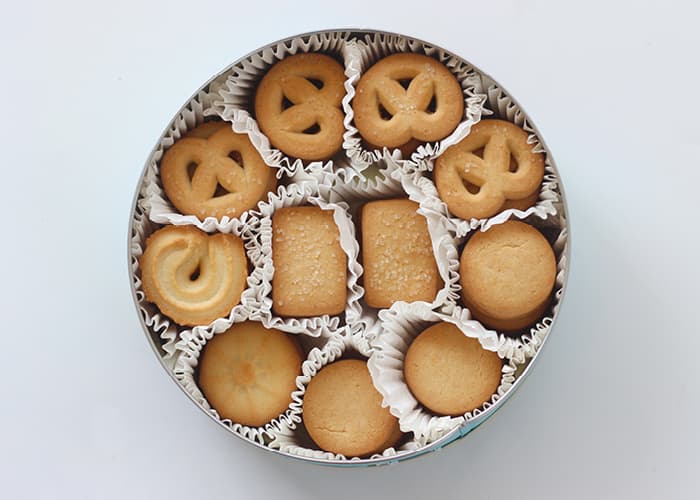
Mi számít hozzáadott cukornak?
Amikor hozzáadott cukorról beszélünk, akkor természetesen nem csak a klasszikus, fehér kristálycukorra gondolunk! Hozzáadott cukor lehet a méz, az agave szirup, és bizonyos szempontból a mesterséges édesítőszerek is, hiszen a szervezetünk nagyjából ugyanúgy reagál mindegyikre.
Mi a helyzet a gyümölcsökkel?
Amit semmiképpen sem szabad a fentiek közé sorolni, azok a gyümölcsök, hiszen ezek nem tartalmaznak hozzáadott cukrokat - csakis természeteseket. Ezek ráadásul olyan jótékony tápanyagokkal társulnak, mint a vitaminok és rostok, amelyek elengedhetetlenek a szervezet számára. Nem érdemes tehát a gyümölcstől tartanunk, örüljünk, ha gyermekünk szívesen fogyasztja őket!
Cukor mindenhol
Ahogy a fentiekben már említettem, hozzáadott cukor szinte mindenben megtalálható, nem csak az édesség és torta hegyekben!
Ha figyelmesen járkálunk a szupermarketek polcai között, és szentelünk némi időt a címkék olvasásának, rádöbbenhetünk, hogy sok-sok olyan étel is tartalmaz hozzáadott cukrot, amiről talán nem is gondoltuk volna: kenyerek, joghurtok, paradicsomszószok, és akár a bébiételek is.
Az első és legfontosabb lépés a cukormentesebb élet felé, ha tudatosan válogatjuk meg az otthoni alapanyagokat! Az elején szánjunk rá kicsit több időt, és figyelmesen olvassuk el az összetevők listáját a csomagolásokon! Törekedjünk a cukormentes termékek vásárlására ahol és amikor csak lehet!
Fontosnak tartom kitérni a tejtermékekre, hiszen sok gyermek szívesen fogyasztja, sok szülő pedig örömmel kínálja őket nap, mint nap. Sajnos ezek a termékek azonban óriási mértékben tartalmaznak cukrot, érdemes hát tartózkodnunk a gyermekek étrendjében való mindennapos jelenlétüktől!
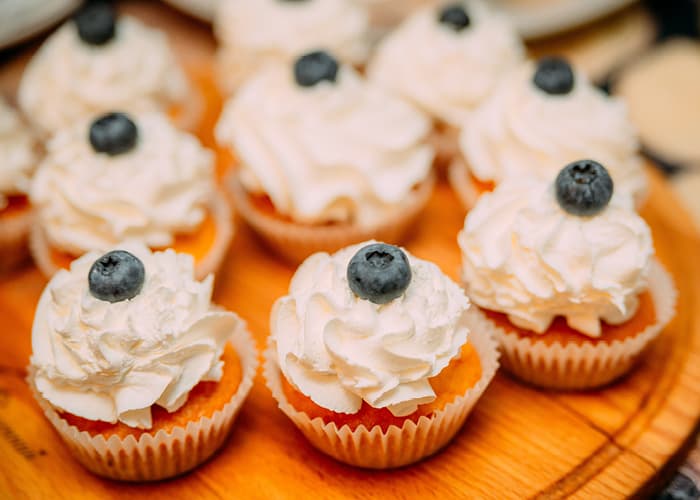
Mikor ehet a gyermekem cukros ételeket?
A hivatalos ajánlás szerint 2 éves kor előtt a kicsiknek semmi szükségük a hozzáadott cukrot tartalmazó fogásokra. Természetesen már tudjuk, hogy ez lényegében megoldhatatlan, így a továbbiakban most szorítkozzunk kifejezetten az édességekre és nasikra, amikor “cukros ételekről” beszélünk!
Érdemes ezt a fenti korhatárt további életkorokra lebontva szemügyre vennünk!
A baba első életévében még általában nem nehéz megoldani, hogy ne fogyasszon édes ételeket: ha mi nem kínáljuk fel őket, gyermekünk nem fogja kérni, hiszen még nem ismeri őket. Természetesen nincsen semmi gond, ha egy családi összejövetelen a kicsi is belekóstol a születésnapi tortába, de teljesen felesleges azzal külön megkínálni. Sőt, a fő célnak inkább azt tűzzük ki, hogy gyermekünknek minél további ne is legyen fogalma arról, hogy milyen kulináris élvezetekről is marad le… azaz ha nem kéri, ne kóstoltassuk meg vele a különböző nasikat, desszerteket.
Ők sokszor megelégednek azzal, ha kinézetre hasonlít az, ami a tányérjukon landol ahhoz, amit mások esznek. Így tehát nyugodtan választhatunk cukormentes alternatívákat, és tehetünk például natúr joghurtot, vagy házi gyümölcspürét a babacsintára a tejszínhab vagy a lekvár helyett.
1-2 éves kor közötti babáknál azonban előbb vagy utóbb eljön az a pont, amikor ez a trükk már nem feltétlenül működik. Még az ilyen korú gyermekeknek sincs túl sok foglamuk arról, hogy általánosságban mennyi finomságot is rejt világunk, így tehát ha nem tartunk otthon túl sok nassolni valót, és nem a gyermek előtt fogyasztjuk azokat, még sokáig elkerülhetjük, hogy édességekkel találkozzon a pici.
Ha azonban édességet eszünk és gyermekünk is kér belőle, hiba lenne megtagadni tőle, hiszen ebben a korban örülni kell mindennek, amit a pici - példánkat követve - meg akar kóstolni: legyen az gyümölcs, zöldség, vagy éppen egy gombóc fagyi…
Természetesen a felelősség nem csak rajtunk áll, így másokat (főleg a kortársakat) látva a gyerekek kíváncsisága előbb-utóbb felébred az édességek iránt. Innentől már nehezebb dolgunk van, és egy kötéltáncos ügyességével kell lavíroznunk a témában.
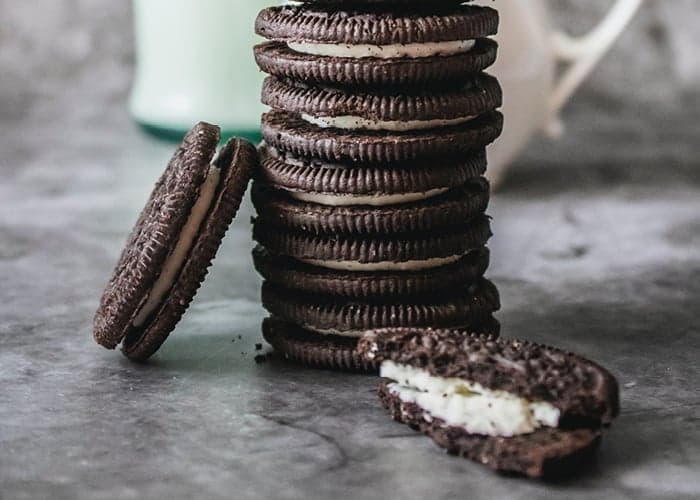
Éppen ezért két éves kortól (vagy amikortól gyermekünk már aktívan érdeklődik a nasik iránt) érdemes megfordítanunk a hozzáállásunkat a dologhoz, és határozottan nem “nagy ügyet” csinálnuk az édességekből! Ne tiltsuk, és ne kössük különleges alkalmakhoz vagy feladatokhoz, mert minél elérhetetlenebb valami, annál jobban kell… és természetesen igaz ez az édességekre is!
A cél tehát innentől kezdve az, hogy gyermekünk egy olyan egészséges viszonyt alakítson ki a cukros finomságokkal, amelynek alapvető pillére, hogy azokat nem címkézzük fel “rossz”, vagy egyéb jelzőkkel. Rá kell vezetnünk csemeténket, hogy a cukros ételek ugyanúgy hozzátartozói egy kiegyensúlyozott étrendnek, mint bármilyen más étel.
Nem kell, hogy misztikum lengje körül, nem kell félnünk tőle, vagy bűntudatot éreznünk miatta. Elvégre a cukros étel is csak egy étel a sok közül.
A fentiek persze mind csak iránymutatások és inspirációk, semmint kőbe vésett szabályok. Mindenekfelett a legfontosabb, hogy mi szülők is egészséges viszonyt ápoljunk a cukorral és az abból készült nasikkal. Ha így teszünk, azzal már önmagában egy olyan egészséges példát közvetítünk gyermekünk felé, amely a későbbiekben sikeresen erősítheti a cukormentesebb élet iránti törekvéseinket.
