
Milyen bort milyen vacsihoz?
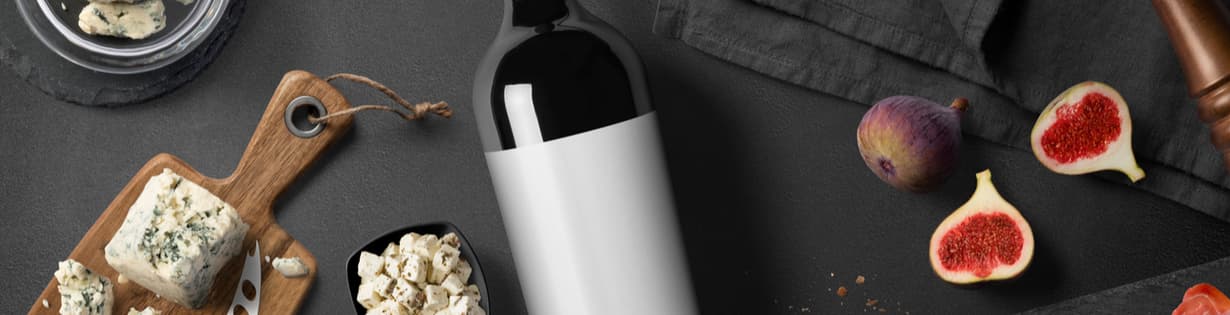
Fitnesz-wellnesz nagy megmondók gyakran hangoztatják, hogy a bor hizlal. Ne higgyünk el mindent nekik! A száraz borban nagyon kevés szénhidrát (cukor) található, ha mértékletesen isszuk (megállunk egy palacknál), jóval kevésbé hizlal, mint mondjuk a sör vagy egy pohár cukorbomba narancslé. Egy dolog miatt persze mégis előfordulhat, hogy hizlal a bor – mégpedig, hogy eszünk mellé… nem is keveset. Hát igen, a bor alapvető „hozzávalói” a különféle savak, melyek meghozzák az étvágyunkat, úgyhogy tényleg aszkétának (vagy nagyon jóllakottnak) kell lennünk, hogy ne együnk semmit egy borozás közben. De ha már így áll a helyzet, próbáljunk meg odafigyelni a mennyiségre – és főleg a minőségre: párosítsunk a borunk mellé egészséges és a borhoz jól passzoló ételeket… és semmi bűntudatunk nem lesz másnap.
Persze hogy milyen étel passzol egy borhoz, nagyon nehéz megmondani a boros címke alapján. Általános szabályok azért vannak – meg elterjedt tévhitek is, ezeket veszem most sorba és ajánlok néhány „Kifli-borhoz” egyszerű ételeket, amik az adott borral is jó barátságban vannak.

Tévhitek:
- A bor aromái jól kiegészítik az étel aromáit
Ezt gyakran halljuk étteremben a sommelier-től vagy olvashatjuk borok okoskodós hátcímkéin, de fő szabályként semmire sem megyünk vele. A borok és ételek párosítása nem az ételben és a borban lévő ízjegyektől függ, hiába is hangzik olyan pompásan, hogy „ennek a vörösbornak a fanyar meggyes aromái nagyszerű kiegészítői a húsételünknek”, ha étel és ital nem passzol a testesség, a savak és a szerkezetet meghatározó főbb karakterek nagy gasztronómiai mátrixában. Ráadásul egy bor gyümölcsös aromái egészen másképpen jelentkezhetnek, mint az ehető gyümölcsöké, ezért sem annyira jó egy tányéron emlegetni őket.
- Halhoz, csirkéhez fehérbort, komolyabb húsokhoz vöröset
Főleg a mondat első fele hangzik nagyon régisulisan. Vannak (bor)vidékek Európában, ahol teljesen természetes, hogy a friss halaikhoz a helyi könnyű rossót isszák. Nem a bor színe a lényeg, ha ételhez választjuk, hanem a fajsúlyossága, a textúrája és a savszerkezete. És természetesen egy steakhez senki nem inna Irsai Olivért, de egy sertéshúsnak jó társa lehet egy hordózott chardonnay vagy például egy somlói juhfark.
- Leves mellé nem lehet bort ajánlani
Ez egy olyan gyakran hangoztatott gasztrodogma, aminek gyakorlatilag az ellenkezője igaz. A levesek többnyire a legkevésbé fajsúlyos ételek, a legkevésbé hangsúlyos az utóízük a szánkban – gyakorlatilag gond és szorongás nélkül kísérletezhetünk bármilyen borral utánuk, sok vizet (bort) nem fognak zavarni. Az olaszok a minestronéjük mellé egyébként a legtipikusabban könnyű, savhangsúlyos vörösbort isznak – és valószínűleg nem azért, mert hajlamosak az önsanyargatásra.
- A sajt minden bor mellé jó
Rossz hír: a sajt a legtöbb bor mellé nem jó. Ha van a borban egy kis kellemes kesernye (mint például az összes olaszrizlingben, de sok furmintban és más fehérborban is), a sajt kellemetlenné erősítheti. A bor főbb szerkezeti elemeit, a savakat és a tannint pedig szedálja: egy nagy, komplex, harmonikus vörösbort egy sunyi darabka camembert például teljesen képes kiherélni. A jó hír: a legtöbb rozé jól passzol a legtöbb sajthoz, különösen a jó savú példányok – azaz a legtöbb magyar rozé!

Fő szabályok:
- Legyenek egyformák…!
Mármint az étel nagysága, formátuma és a bor testessége. Ez a legeslegfontosabb szabály, amit nem lehet figyelmen kívül hagyni: könnyű ételekhez vékony, nehezebb ételekhez testes bort válasszunk. Ha másként teszünk, az egyik el fogja nyomni a másikat. Könnyű borok általában: a hordózatlan (reduktív) fehérborok, vörösek közül a kadarkák, kékfrankosok, pinot noirok többsége és a könnyedre hangolt, reduktív vörösborok – Spanyolországban például „joven”-nek hívják ezeket és általában rá is írják a címkére.
- Savval a zsírok ellen
Ha egy étel zsíros vagy tejszínes, mindenképpen olyan bort válasszunk mellé, aminek jó savai vannak. Mindegy is a bor színe, a lényeg a sav. Magyar borok közül Tokaj száraz fehérborai vagy az észak-dunántúli borvidékek – Etyek-Buda, Neszmély, Mór, Pannonhalma, Balaton-felvidék, stb. – fehérborai többnyire magasabb savérzetet adnak, a vörösek közül pedig a soproni kékfrankosok vagy hűvösebb karakterű kadarkák bármely borvidékről.
- Tényleg vannak „gasztroborok”
Sokszor halljuk egy borról szakértőktől, hogy ez „gasztrobor” vagy „bisztrobor”, de igazából nem tudjuk, ez igazából mit jelent. Hogy mások mit értenek rajta, én sem tudom, de az biztos, hogy jó néhány bor valamilyen étel mellett virul ki igazán. Főleg azokra a borokra igaz ez, amik könnyedebbek és az átlagosnál magasabb a savérzetük. Ha túl savasnak találunk egy ilyen bort, még nem kell, hogy a lefolyóban végezze. Próbáljuk ki valamilyen savas (citrusos, ecetes, paradicsomos, stb.) étel mellé – csoda fog történni a rút kiskacsával!

Néhány szuper páros:
paradicsomos szószok x jó savú, könnyű vörösborok
Az olasz konyha mindennapi kombója: egy bármilyen paradicsomos szószos (milánói, amatricana, stb.) tészta és egy savas vörösbor. Az étel és a bor savai nem felerősítik egymást, hanem elbirkóznak egymással, míg a fogyasztó mindkettő egyéb szépségeit évezheti.

tejszínes szószok x savasabb száraz fehérborok
Egyszerű és gyakori vacsora a csirkehús valamilyen tejszínes alappal, akár tésztával – ezekhez jól illenek azok a fehérborok, amiknek viszonylag nagy a savtartalmuk (képesek átfurakodni a tejszínes zsírosságon), és közepes a testük – így nem nyomja el az étel őket, de ők sem túl nagyok ahhoz, hogy uralkodjanak.