
Amikor az étel a földön landol
Amikor az étel a földön landol - Hogyan akadályozzuk meg, hogy babánk az ebéddel dobálózzon?
Ahogy babánk önállósodik, úgy nő egyre a kíváncsisága az őt körülvevő tárgyak, emberek és környezete iránt. Elkezd “kis tudósként” mindent megvizsgálni, kipróbálni és letesztelni.
“Sajnos” azonban ez a kísérletezőkedv az ebédlőasztalnál nem merül ki a különböző ízek és textúrák felfedezésében, de nem ám! Remek alkalom lehet egy-egy ebédidő a gravitáció - és anya idegszálainak - vizsgálatára is!
Mindezzel persze nincs is feltétlenül gond, hiszen a tapasztalat alapú megismerés fejlődésünk része. Mi van ugyanakkor, ha az étel dobálása a tanuláson kívül figyelemfelkeltő funkciót is kap? Nézzük meg részletesebben!
Fejlődés vagy figyelemfelkeltés?
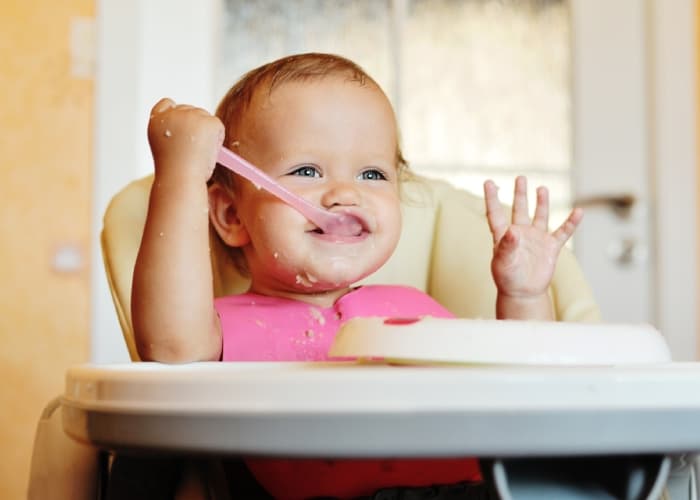
Ahogy a bevezetőben utaltam rá, egy bizonyos életkorban teljes mértékben rendben van, ha csemeténk a földre dobálja a gondosan összekészített harapnivalót.
15-18 hónapos kor alatt a pici ugyanis ezen keresztül fedezi fel nemcsak a gravitációt, hanem az ok-okozati viszonyokat is. Ha ugyanis ő leejti az ételt, az valamiféle reakciót okoz: az étel szétfröccsen ha földet ér, a kanál csörömpöl ha leesik, anya felkel a székből, vagy éppen a kutya szalad oda egy potya falatot remélve, azaz minden esetben történik valami az ő kis cselekedetére válaszul.
Kicsi korban tehát ez a viselkedés gyakran a felfedezés és nem a figyelemfelkeltés vagy csínytevés motivációjából táplálkozik.
Bizonyos kor után azonban (kinél előbb, kinél később) összeáll a pici buksikban az ok-okozat, és a dobálás inkább átmegy egyfajta önszórakoztatásba. Hiszen nagyon is vicces, amikor Buksi (vagy anya) percenként odaszalad az etetőszékhez!
Ösztönözd a felfedezést!
Amikor babád még a felfedezés időszakában van, a legjobb, amit tehetsz, ha nem reagálsz a repülő tárgyakra (és Buksit is elzárod)! Hiszen a cél az, hogy a pici tanuljon és megismerje a környezetét, ezt pedig nem azzal éred el, ha nem adsz teret a - számodra talán - bosszantó viselkedésnek, hanem éppen az ellenkezőjével!
Hagyd, hadd zuhanjon a brokkoli vagy a kenyérdarab! (Esetleg tedd meg az előzetes óvintézkedéseket, hogy ne kelljen órákig takarítani minden étkezés után.)
Ne adj nagy reakciókat és gesztikulációkat a baba cselekedeteire, hiszen éppen ezzel ösztönzöd a dobálós-játék kialakulását!
Ha az egész tányér a földön landol (ami már könnyen megakadályozható a tapadókorongos szilikon tányérok segítségével), akkor végy egy nagy levegőt, szedd össze a romokat, de ne csapj nagyjelenetet - a dühtől kékülő arc ugyanis sok babának mulatságosabb, mint egy viszonylag érzelemmentes reakció.
Próbálj meg arra törekedni, hogy tényleg hagyd a kis tudósodnak, hogy “kiélje magát”. Hidd el, a csempén fröccsenő paradicsomszósz, vagy a pohár vízben úszó kenyérdarabka nagyon izgalmas felfedezés - de jó esetben csak ideig, óráig.
Amikor a felfedezés játékká válik
Ahogy feljebb már utaltam rá, vannak esetek, amikor a tanulási folyamat végkövetkeztetése a baba fejében az, hogy igazán mókás játszmát lehet előidézni egy-egy cselekedettel.
Ha úgy érezzük, hogy gyermekünk már inkább figyelemfelkeltésből, vagy önszórakoztatásból, semmint ismeretszerzésből játszik az étellel, a legfontosabb, hogy nyugodtak maradjunk, hiszen babánk pont a reakciót várja, keresi tőlünk. A jó hír, hogy ha ezt nem kapja meg, nagy rá az esély, hogy hamarosan felhagy az idegszálaink tesztelésével.
Tudom persze, hogy mindezt könnyebb mondani, mint kivitelezni: egy-egy hosszú és fárasztó nap után néha valóban nehéz megállni, hogy pókerarccal nézzük végig csemeténk legújabb ámokfutását.
Tűrni… de meddig?
Ha a játszma nem marad el, nem kell kitartanunk annak a reményében, hogy a gyermek legalább eszik is valamit közben! Ha pár alkalom után úgy látjuk, hogy a pókerarcunk nem vezetett megoldásra, legyünk következetesek és fejezzük be az étkezést!
Ha ugyanis annak reményében tartjuk fenn az evést (és tűrjük a nem odaillő viselkedést), hogy csemeténk legalább fogyaszt közben valamit, csak egy ördögi körhöz érkezünk: egyre tehetetlenebbnek és kontrollvesztettebbnek érezzük majd magunkat, ami végül - így vagy úgy - a gyermeken fog csattanni.
Fontos, hogy pár falatért ne kössünk kompromisszumot, hiszen mindig lesz egy következő étkezés, ahol a csemeténk ehet rendesen (ha akar)!
Vonjuk el a figyelmét!
Az étkezőasztal körüli legtöbb “rossz” viselkedés abból fakad, hogy babánk unatkozik, vagy nem tud helyesen kommunikálni. Ezért a legtöbb esetben remek megoldás lehet, ha nem tiltjuk, hanem új csatornákba tereljük a figyelmét és energiáit!
Még véletlenül sem arra gondolok persze, hogy tegyük a tabletet valami mesével a gyerkőc elé, hanem arra, hogy legyünk kicsit kreatívak, és ösztönözzük újra a felfedezést a játszma helyett!
Ha csemeténknek például külön örömet szerez a fém kanál csörömpölése a csempén, tegyünk néhány lefordított edényt elé, amelyeken remekül lehet dobolni - ugyanazzal a kiskanállal. Néha azonban már annyi is elég, ha beszélgetünk evés közben. Mesélhetünk valami mesét, vagy még jobb, ha az éppen fogyasztott ételeket szőjük valami érdekes történetbe.