
Allergének bevezetése: mikor van itt az ideje?
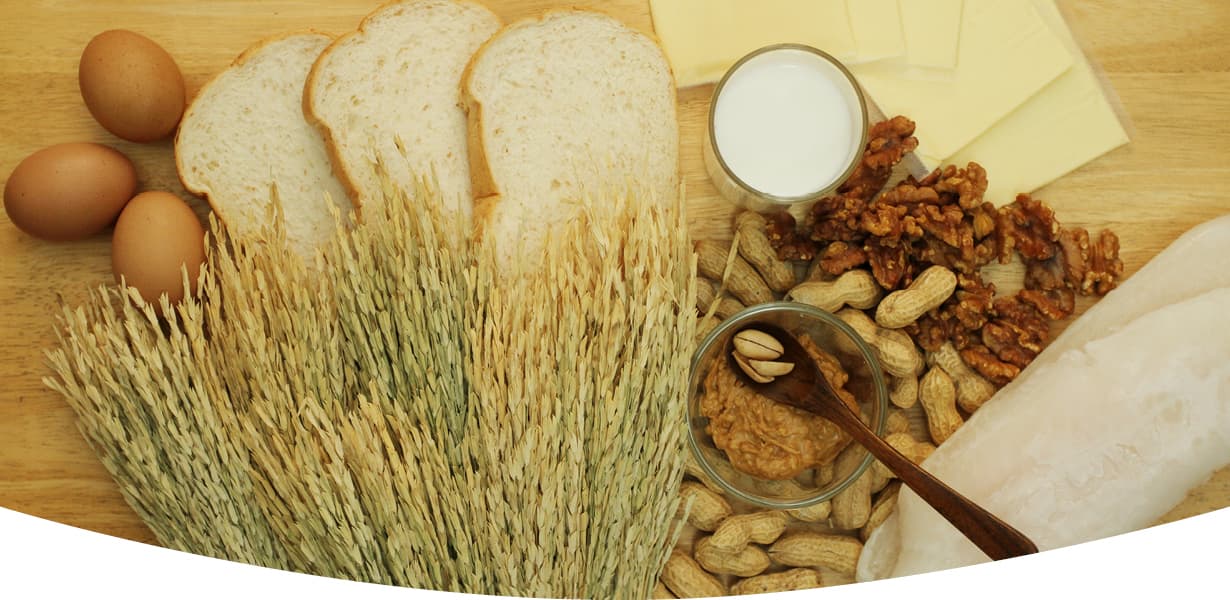
Allergének bevezetése: mikor van itt az ideje?
Nincsenek könnyű helyzetben az édesanyák, hiszen az utóbbi öt évben többet változott az allergének bevezetése kapcsán kialakult ajánlásrendszer, mint az azt megelőző évtizedekben összesen.
Tudtad? A hozzátáplálás ritmusa és az élelmiszerallergiák közötti kapcsolat feltárására irányuló kutatások mind egy irányba mutatnak: azok a csemeték, akik egy vagy két éves koruk után ismerkednek meg egyes allergéncsoportokkal, sokkal nagyobb valószínűséggel mutatják az allergia jeleit, mint azok a társaik, akik a hozzátáplálás megkezdése után nem sokkal találkoznak a legfőbb allergénekkel.
Jelenlegi tudásunk szerint tehát akkor járunk el helyesen, ha a hozzátáplálás során minden élelmiszercsoportot megismertetünk a babával már egy éves kora előtt.
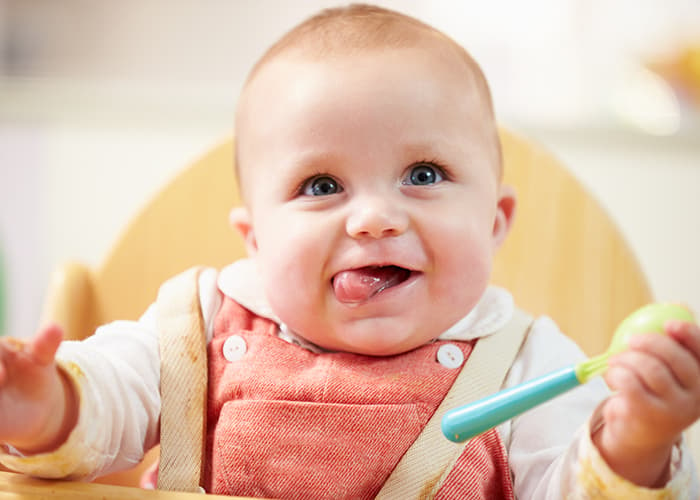
Általános szabályok az allergének bevezetése során
Természetes, hogy a legjobbat akarjuk a kisbabánknak, ezért mindenre figyelni szeretnénk. Noha nem tudunk mindent kontrollálni, vannak dolgok, amikre érdemes odafigyelni, mielőtt megkezdjük a hozzátáplálást és bevezetjük az allergéneket.
1. Mindennek megvan a maga ideje! A hozzátáplálás megkezdésének optimális időpontja valahol a 4-5 hónapos kor után, de legkésőbb a 6. hónap környékén található, de babája válogatja, mikor jön el pontosan az ideje. Ha a kicsi már elmúlt öt-hat hónapos, érdeklődik az ételek iránt, izgatottságot mutat, amikor a többiek esznek, nyúl a táplálék felé, esetleg rágó mozdulatokat tesz, érdemes próbálkoznunk. Fontos továbbá, hogy a biztonságos tápláláshoz - a fulladásveszély elkerülése érdekében - csak ülni tudó babát kezdjünk hozzátáplálni.
2. Püré vagy BLW, egyremegy! Az anyukák hajlamosak úgy érezni, hogy az általuk képviselt gondozási szemlélet az egyetlen járható út. Pedig dehogy! - és az anyaság épp ettől olyan csodálatos. Akár a hagyományos, kiskanalas módszer választjátok, akár a BLW mellett döntöttök, nincs miért aggódni.
A kanalazás során a babák először megtanulnak nyelni, majd később azt is, hogyan rághatják meg az ételt. A BLW-nél pedig pont fordítva van: először jön a rágás és csak aztán a nyelés. Azoknak sem kell aggódnia, akik attól tartanak, a BLW következtében a pici éhen hal, ugyanis a táplálkozási szakértők tapasztalatai alapján az azonos korú, hasonlóan táplált babák egészséges fejlődésében és testsúlyában nincs szignifikáns különbség.
3. Ügyeljünk a jelekre! Ha kezdetekkor a kicsi elutasítja a hozzátáplálást, nincs semmi gond, egyszerűen csak próbálkozzunk néhány nappal, esetleg héttel később! De ha többszöri próbálkozás ellenére a baba még 6-7 hónaposan is elutasító mindennel szemben, ami nem anyatej, vagy tápszer, keressünk fel a védőnőt vagy a háziorvost! Előfordulhat, hogy az elutasítás oka idegrendszeri éretlenség vagy izomtónus-probléma, mely szakember bevonását indokolja.
4. Jegyzeteljünk! Az egyes allergének bevezetése során van javasolt türelmi idő, melyet az allergén bevezetését követően célszerű betartanunk. (Ez lehet 1-3 nap vagy akár egy hét is.) Ebben az időszakban ne adjunk a babának más új ételt, hiszen ha esetleg allergiás reakció lép fel, nem tudjuk majd, pontosan melyik allergénre is reagált a csemeténk. Grafomán anyukáknak jó öltet a táplálkozási napló, melynek segítségével rögzíthetjük, mit és mikor evett a pici, illetve hogy az egyes allergének milyen változásokat (bőrpír, széklet, fájdalom stb.) váltottak ki a kicsinél.
Ha a családban ismert ételallergiás betegek vannak, mindig legyünk rendkívül körültekintőek az allergének bevezetése során és az optimális időpont megválasztásához kérjük ki a házi gyermekorvos ajánlását!
5. Ellenőrizzük az alapanyagok forrását! A gyümölcsöket, a zöldségeket és a húst is csak megbízható helyről vegyük. Ha lehet, kerüljük a sót, a cukrot és a további adalékanyagokat is!
A tej bevezetése
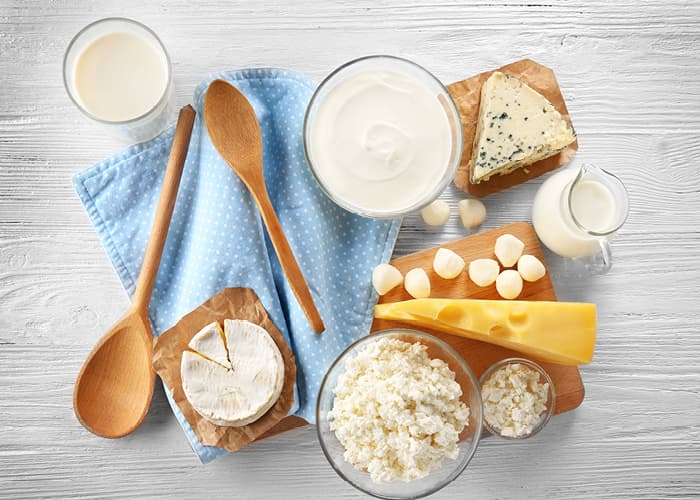
Joghurt, kefír: 6. hónap, túró, sajt, tejföl, tejszín: 7-8. hónap, tej (italként): 1. születésnap után
A laktózintolerancia, valamint a tejérzékenység vagy allergia a legismertebb ételérzékenységek közé tartoznak, ezért különösen fontos, hogy betartsuk az ajánlásokat és adjunk a babának joghurtot vagy kefirt már a betöltött 6. hónapot követően! Válasszunk cukormentes natúr készítményeket és adjunk belőlük egy teáskanálnyi mennyiséget a kicsi zöldség- vagy gyümölcspüréjéhez. Az így fellazított finomságot pedig kanalazzunk a szokott módon! Ha nem tapasztalunk allergiás reakciót, 24 óra múlva megismételhetjük a kóstolást.
A túró, a reszelt sajt és a tejföl a 7-8. hónaptól, a joghurthoz hasonlóan adható, a teljes tej italként való fogyasztása előtt azonban várjuk ki az első szülinapot! A tejfogyasztás feltétele kezdetben, hogy a tejet csak forralást követően, hőkezelt módon, ételbe keverve és kis mennyiségben adjuk a kicsinek!
A tojás bevezetése
6-7 hónapos kor között
A tojás vitaminokban és ásványi anyagokban rendkívül gazdag élelmiszer, könnyű elkészíteni és a kalóriatartalma is alacsony, így szívesen fogyasztjuk.
Néhány zöldség és gyümölcs bevezetését követően a tojás is a bevezetendő élelmiszerek listájára kerülhet. Bevezethetjük akár egyben is, de ha szeretnénk a régi ajánlásoknak megfelelően bevezetni a fehérjét és a sárgáját azt is megtehetjük. A lényeg, hogy minél magabiztosabb légy!
A glutén bevezetése
A hozzátáplálás megkezdésétől
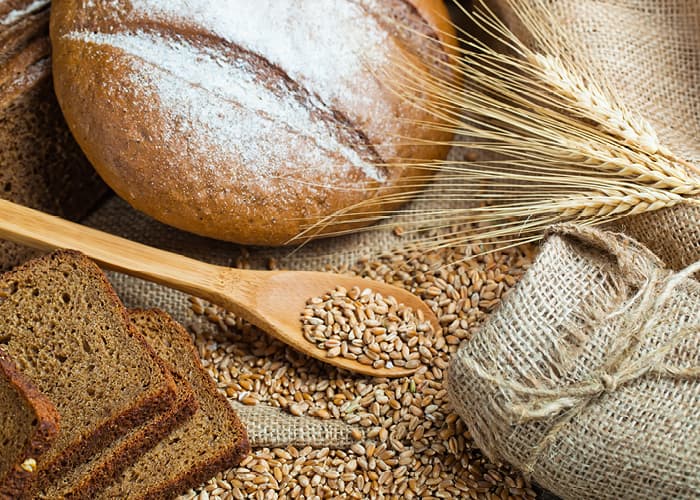
A glutén a sikér fancy neve. Ez a búzában és más gabonákban is természetes módon előforduló anyag valójában a gliadin és a glutanin nevű fehérjék keveréke. Fogyasztása a rá érzékenyeknél emésztési nehézségeket, felszívódási zavarokat és más egészségügyi problémákat okozhat.
A glutén bevezetésének optimális időpontja 4-6 hónapos kor között van, amikor a kicsi püréibe, főzelékeibe kis mennyiségű - alkalmanként maximum 3 g - lisztet vagy zabot, gabonapépet keverünk. Ha nincs baj, később jöhetnek az ételbe turmixolt - tej- és tojásmentes - tészták, kiflicsücskök és fagyitölcsérek is!
A földimogyoró bevezetése
6 hónapos kor után
A szuperagresszív allergénként ismert földimogyoró bevezetésére ideális esetben féléves kor után, de még az 1 éves kor előtt, mogyoróvaj formájában kerülhet sor. A kásába, gyümölcspürébe kevert sűrű mogyoróvajból elég egy fél kiskanálnyi mennyiség, hogy megtapasztaljuk, mit szól a kicsi szervezete a finomsághoz. Mivel a földimogyoró gazdag folsavban, B- és E-vitaminban, olajokban és zsírokban, ráadásul a mogyoróvaj otthon is kényelmesen előállítható, érdemes kísérletezni vele!
