
6 bébiétel a székrekedés enyhítésére
6 bébiétel a székrekedés enyhítésére
Amíg az embernek nincs gyereke, gondosan ügyel rá, hogy az ügyes-bajos fürdőszobai események még véletlenül se váljanak közbeszéd tárgyává. Amikor azonban szülővé válik, a kaki- és pisibajok hirtelen fontos témává válnak, amiről bárhol, bármikor és szinte bárkivel lehet értekezni. (Feltéve persze, hogy a másik fél hagyja, ugyebár.)
Babakaki titkok: mit lehet megtudni a baba székletéből?
A kisbabákkal az a legnagyobb ‘baj’, hogy kizárólag sírással tudják jelezni a diszkomfortjukat és a szülők dolga az apró jelek alapján megtalálni a probléma forrását. Természetes, hogy minden anyuka a legjobbat szeretné a csemetéjének, az egyes ételallergiák - melyek közül csecsemőkorban a leggyakoribb a kazein- és laktózintolerancia -, az emésztési nehézségek és a székrekedéses panaszok okozta fájdalom pedig megnehezítik a hétköznapokat a család egésze számára.
Emellett a baba széklete, annak állaga, színe és gyakorisága információkkal szolgál a kicsi általános egészségügyi állapotáról. A széklet által a baba általános jólétéről adott visszajelzések rendkívül fontosak a szülők számára.
A széklet gyakorisága ideális esetben a születést követő hetekben napi 3-5, azt követően pedig napi 1 alkalom. Ha a baba 4-6 napon át nem székel, akkor a kicsi közérzetének függvényében célszerű lépéseket végezni. Ha a baba láthatóan jól van, akár egy hetet is várhatunk, mielőtt felkeressük a gyerekorvost, ha azonban szenved, kérjük mielőbb a védőnő vagy gyermekgyógyász tanácsát! (Fontos tudni továbbá, hogy az anyatejes és a tápszeres babák széklete jelentős eltéréseket mutathat.)
- Ha lehet, kerüljük el a lázmérős vagy szélcsöves módszert, mert hozzászokást eredményezhet és hosszú távon még tovább ront a helyzeten.
- Csak végszükség esetén, gyermekorvos javaslatára próbáljuk a gyógyszeres eljárásokat.
- Anyatejes kisbabánál fogyasszunk hashajtó hatásúként ismert élelmiszereket, pl. aszalt szilvát vagy szilvalevet.
- Tápszeres kisbabánál kérjük a gyermekorvos tanácsát, ugyanis vannak olyan hashajtó hatású babavizek, melyekből tápszer is készíthető a babának. Erről azonban célszerű az orvos jóváhagyása mellett dönteni.
A baba székrekedés kialakulásának lehetséges okai
A baba székrekedés kialakulásának leggyakoribb oka a csecsemőkori és kisgyermekkori stressz, a szobatisztaság folyamatának átmeneti elakadása, kisebb korban pedig maga az egyre változatosabb étrendre való áttérés, illetve a kevés rost- vagy folyadékfogyasztás.
Megfelelő táplálás mellett egy átlagos testtömegű 6 hónapos kisbaba folyadékigénye 1-2 dl, 9 hónapos korban 3-4 dl, 11 hónapos korban pedig már 6-8 dl víz. Az 1-3 éves kicsiknek pedig már 1,2-1,5 l vizet is meg kell innia naponta! Ha a te babád ennél kevesebbet iszik, feltétlenül ügyelj a folyadékbevitel fokozására, mely lehetőség szerint legyen tiszta, szénsav-, cukor- és ízesítés mentes víz.
Mikor van szükség emésztést segítő lépésekre?
Ha a babának már napok óta nem volt széklete, jó közérzet esetén is proaktívan léphetünk fel némi emésztést könnyítő élelmiszer alkalmazásával. De ha
- a kicsi széklete kemény és erősen darabos;
- a pici sír, amikor kakil;
- a baba székletében friss vér látható (mely a végbél berepedésének egyik lehetséges következménye);
- az apróság hasa tapintásra kemény, enyhe nyomásra fájdalmat látunk a kicsi arcán vagy
- csökken a csemete étvágya, ideje tenni valamit!
Tippek baba székrekedés ellen
Ha a kicsinek székrekedése van, az első és legfontosabb lépés, hogy azonnal hagyjunk fel a székrekedésre hajlamosító élelmiszerek fogyasztásával. A burgonya, a banán, a sajt, a rizspehely vagy a tészták gyakran okoznak hasonló panaszokat, így célszerű néhány napra hanyagolni őket.
Helyettük adjunk a kicsinek olyan ételeket, melyek természetes hashajtóként segítik az emésztést! Próbáljuk ki a szilvát és az aszalt szilvát, a körtét, a sütőtököt, az őszibarackot vagy a borsót, ezek ugyanis csodát tehetnek. Emellett, ha még nem vezettük be az avokádót vagy az édesburgonyát, most itt az alkalom.
Néhány tuti ízkombináció baba székrekedés ellen:
- édeskömény-barack-borsó;
- körte-datolya;
- körte-szilva;
- sütőtök-joghurt-szilva;
- körte-áfonya.
Ha a baba már elmúlt kilenc hónapos, akkor az általa fogyasztott pürékbe vagy falatkákba némi finomra őrölt lenmagot is csempészhetünk. Emellett növeljük a kicsi által fogyasztott víz mennyiségét, kínáljuk gyakrabban, reggel és este is!
Pocaktorna: igen vagy nem?
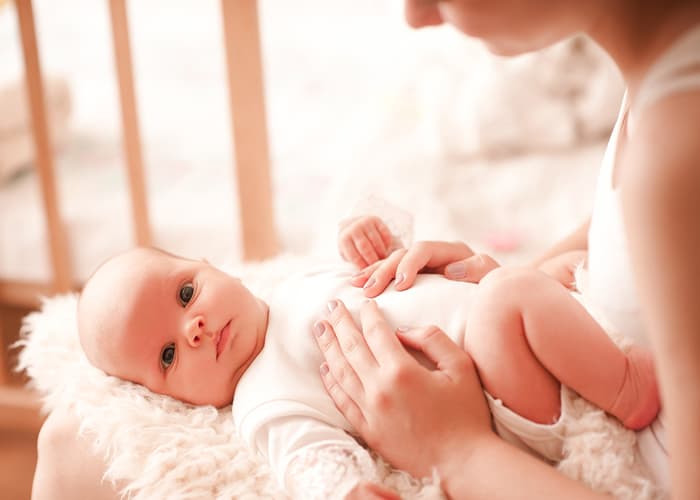
A babatorna és a babamasszázs segíthet a kicsi bélműködésének támogatásában, a túlzott erővel vagy szakszerűtlenül végzett tornáztatás azonban többet árt, mint használ. Legyünk óvatosak, vagy kérjük ki a védőnő, a gyógytornász vagy akár kisbaba-masszőr tanácsait.
