
Ezért nem eszik a baba: 5 lehetséges ok
Ezért nem eszik a baba: 5 lehetséges ok
A jó étvágy, az egészséges mértékű súlygyarapodás és a lelkes kísérletezés az ízek és ételek terén a szülők számára megnyugtató állapot. Azt jelzi, hogy a kicsivel minden rendben van és ők maguk is mindent jól csinálnak. Ha azonban az anyatejes táplálás után a hozzátáplálás nehezen indul meg, vagy időszakosan elakad, az anyukák először gondolkodóba, aztán pedig leginkább pánikba esnek.
Csakhogy mindennek oka van! Idegeskedés és szorongás helyett jobban tesszük, ha felkutatjuk a lehetséges okokat és az alapproblémát oldjuk meg. Lássuk, mi az 5 leggyakoribb oka annak, ha nem eszik a baba!
1. ok: Még nincs kész rá
A hozzátáplálás megkezdésének optimális ideje a 4-6. hónap között rendkívüli eltéréseket mutathat, a hatodik hónap környékén azonban mindenképpen érdemes belevágni az ízek és textúrák feltérképezésébe.
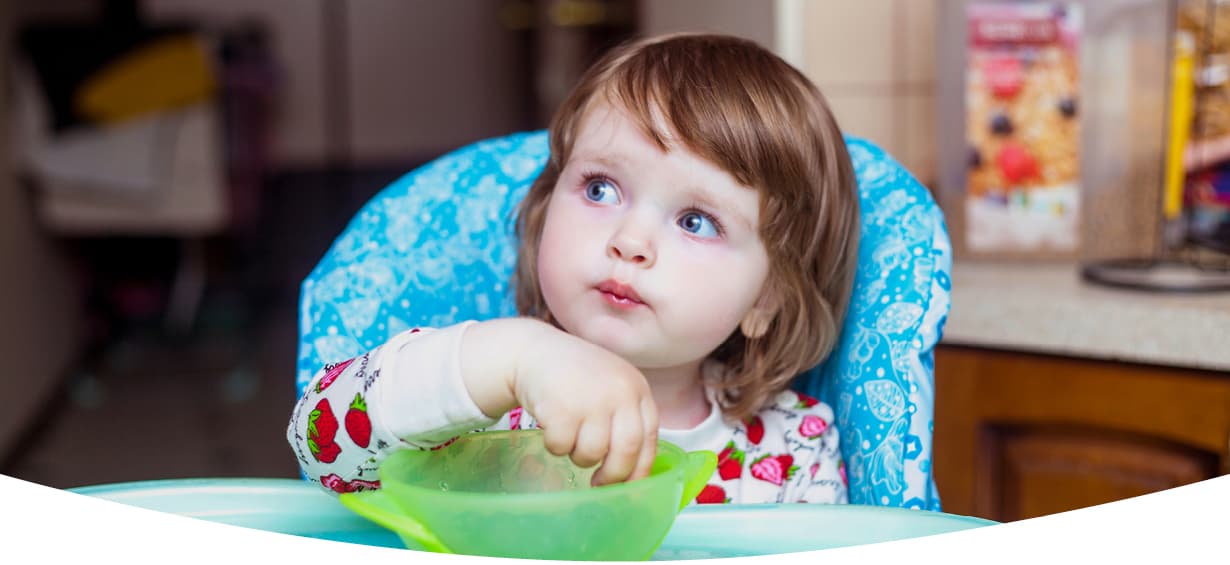
Ha a kicsi nem érdeklődik, elutasítja az ételt, nem akar sem kanállal, sem falatka-módszerrel enni, nem kell megijedni! Próbálkozzunk néhány nap múlva újra - de ne kövessük el azt a hibát, hogy erőszakkal tömjük belé a kiskanalat, mert hosszú távon ellentétes hatást válthatunk ki.
Ha azonban azt tapasztaljuk, hogy a baba többszöri nekifutást követően sem nyitott az étkezésre, kizárólag anyatejet vagy tápszert fogad el, nehezen tud megülni, problémát okoz neki a nyaki tartás, nehezen nyel, nem szívesen nyúl az ételekhez vagy zavarja a maszatolás, forduljunk védőnőhöz vagy gyerekorvoshoz! A háttérben olyan egészségügyi okok is állhatnak, mint izomgyengeség vagy izomfeszülés, idegrendszeri éretlenség vagy más ellátást igénylő tényezők.
2. ok: Fogzik
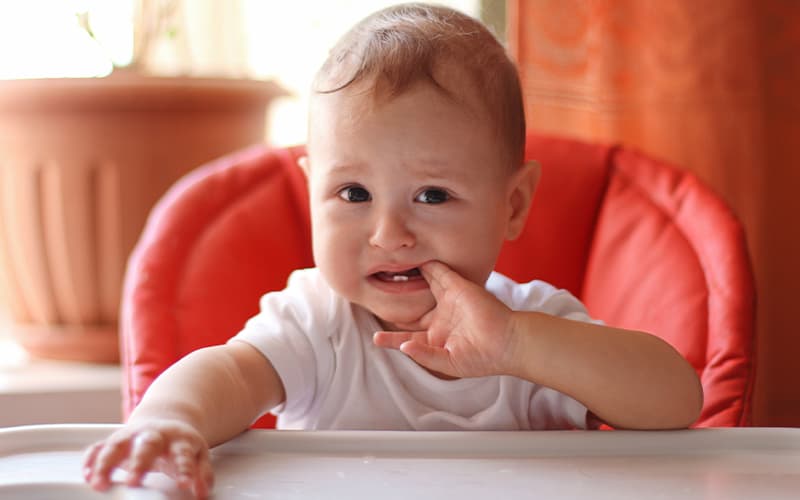
Vannak gyerekek, akik már fél évesen is bájos fogacskákkal mosolyognak a világra, mások pedig még egy évesen is csak várják, hogy áttörjön végre az első léhűtő. A hosszú várakozás azonban - sajnos - nem jelenti, hogy a fájdalommal, feszüléssel, nagy mennyiségű nyál termelésével járó fogzás ne indulhatna meg akár már a harmadik-negyedik hónap környékén.
Ilyenkor az íny érzékenysége és a fájdalom miatt akár napokig is visszaeshet a kisbaba étkezési kedve, ami normálisnak tekinthető. Aggódni nem kell, a fájdalom csillapítására azonban érdemes rágcsaláncot, hűthető rágókát vagy szükség esetén gyógynövényes, esetleg gyógyszeres helyi fájdalomcsillapítót bevetni.
3. ok: Beteg lesz
Akárcsak a felnőttek esetében, a gyerekeknél is jól működnek a test jelzőrendszerei. Ha a kicsi hamarosan benáthásodik, ha megkörnyékezte egy vírus vagy baktérium, természetes, hogy elmegy az étvágya. Ilyenkor ne traktáljuk, hanem fókuszáljunk az alapprobléma megoldására és a megfelelő folyadékbevitel fenntartására! Víz, cukormentes tea, gyümölcslé is jöhet, hogy elkerüljük a kiszáradást.
4. ok: Szorong valamitől
A babák sok mindent nem értenek, de szinte mindent éreznek. A láthatatlan kis szenzoraikkal “letapogatják” a te érzéseidet és pontosan “tudják”, ha kimerültél, ha kiégtél, ha aggódsz az édesanyád betegsége miatt vagy ha apa munkája miatt van szorongani valótok.
Emiatt persze nem kell rosszul éreznetek magatokat és a körülményeket sem változtathatjátok meg egyik pillanatról a másikra. Arra viszont érdemes figyelnetek, hogy saját belső feszültségeiteket mielőbb megdolgozzátok és feloldjátok! Így nem csak ti lesztek jobban, hanem a kicsi is megnyugszik és újra nyitottabbá válik.
(Arra is figyelni kell, hogy érzelmi vagy fizikai diszkomfort esetén ne alakuljon ki állandó túlevés és az étkezéshez, ételekhez való egészségtelen kötődés, hiszen hosszú távon az érzelmi evés ugyanolyan komoly probléma.)
5. ok: Változtatni kell a hozzátáplálás ritmusán
Sok anyukával találkozom, aki komolyan aggódik, mert a gyermeke nem eszik eleget. Ilyenkor először azt kell megnézni, hogy ez ‘csak’ az anyuka benyomása, vagy valóban keveset eszik a pici? Gyakori ugyanis, hogy a baba valójában egész nap csipeget ezt-azt, tehát valójában nem is az elfogyasztott étel mennyiségével, hanem annak minőségével és eloszlásával van probléma.
Az sem ritka, hogy az étkezés, illetve annak a hiánya valamiképpen egy játszma részévé válik, esetleg egészségügyi probléma, allergia vagy fiziológiai elváltozás áll a háttérben, melyek feltérképezésében célszerű szakember segítségét kérni.
Ha nem eszik a baba, a pánik a legrosszabb tanácsadó
Ha te is azok közé az anyukák közé tartozol, akik egyre-másra dobálják ki - vagy eszik meg a kicsi helyett - a házilag rittyentett ízletes babamenüket, az első és legfontosabb dolgod, hogy ne akadj ki! Tudom, ez a legnehezebb, de a szorongás és a pánik a legrosszabb tanácsadó!
Ha a baba testsúlya normális és a gyarapodás üteme sem marad el az elvárhatótól, nincs miért aggódni, hiszen minden apróság más és más. Ha pedig a jelek arra mutatnak, hogy valóban tenni kell valamit, szorongás helyett egyszerűen csak tedd meg. Menj elébe a problémának, nézz szembe vele és tudatosítsd magadban, hogy nem vagy egyedül. Így minden sokkal könnyebb lesz majd.
