
Christmas with the Baby - Christmas Dishes in Complementary Feeding
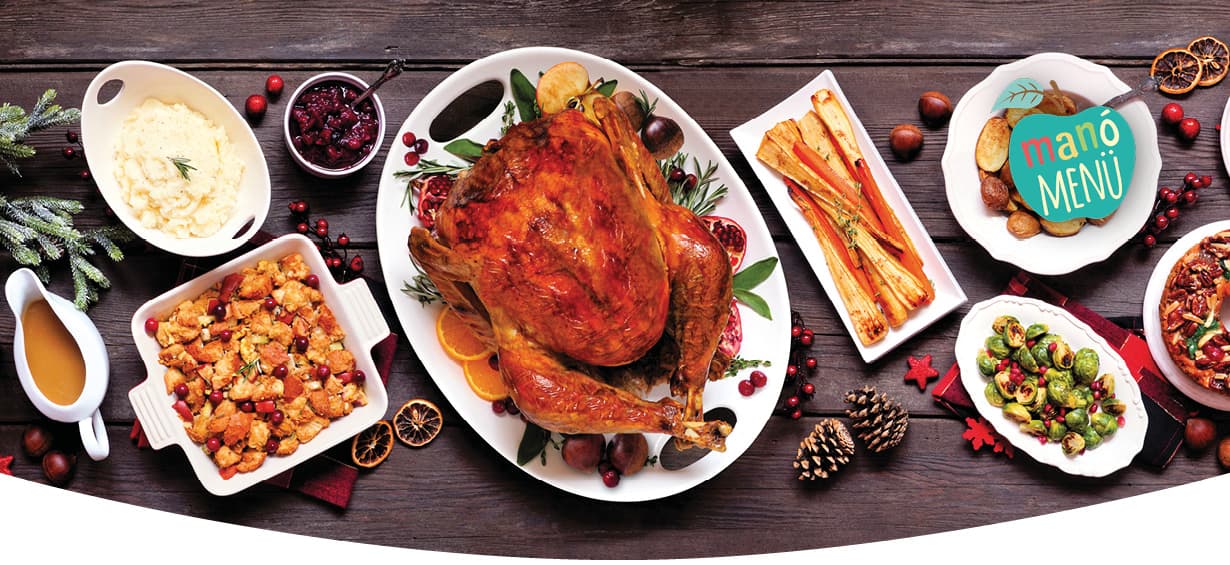
Christmas with the Baby - Christmas Dishes in Complementary Feeding
December is here, the time of Advent and the great Christmas preparations!
Although the list of tasks tends to get longer with a few extra points during this time, parents with young children have one more important task to consider - and must consider - during the festive season: the safe introduction of the ingredients of Christmas delicacies in the baby's complementary feeding.
As an expert, I believe that you can never be too cautious, which is why I always emphasize the principle of gradualness in complementary feeding: introduce each new ingredient individually, in small quantities, step-by-step to the little ones!
Moreover, several ingredients associated with festive traditions can cause sensitivity in higher proportions, so it is not fortunate for the baby to encounter them for the first time in the Christmas hustle and bustle. Such foods include: fish, walnuts, peanuts, poppy seeds, honey, eggs, cottage cheese, milk, or horseradish.
The good news is that, except for honey and horseradish, almost all of the foods listed here can be given to children under 1 year of age, provided the child is healthy, has not experienced asthma, eczema, hay fever, or allergies during the introduction of solid foods, and there is no sensitivity to the above foods among close relatives, and the baby was not born prematurely or by cesarean section. (The latter two are important because they categorize the baby as higher risk, so consult your child's doctor.)
Let's take a closer look at when each ingredient can be introduced to babies (if the above factors do not play a role):
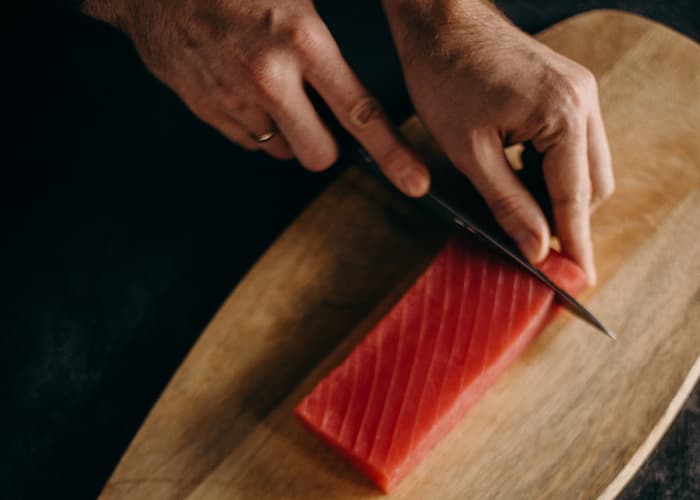
- Fish: Can be given from 6-7 months, but we must consider the mercury content of certain fish species. The safest choices include Atlantic cod, freshwater trout, catfish, herring, salmon, perch, and tuna. Go to fish »
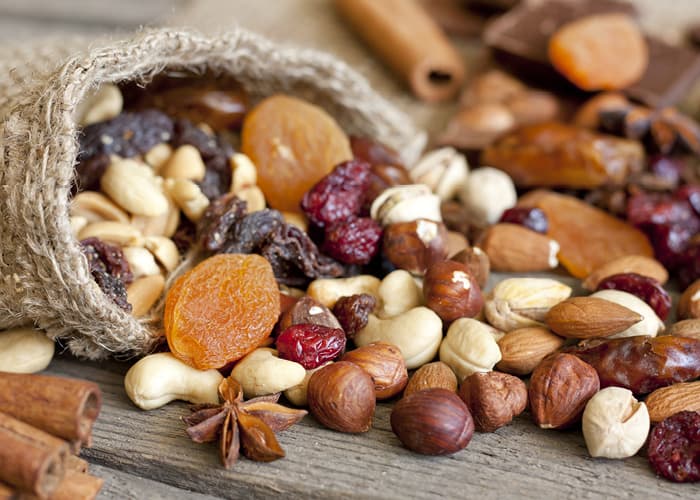
- Walnuts, poppy seeds, almonds, cashews, peanuts: Can be given before 1 year, but due to the risk of choking and allergic reactions, only ground, heat-treated, and in small quantities. Go to nuts »
- Eggs: Can be given from 6-7 months. Go to eggs »
- Honey: Only from 1 year old, due to the risk of botulism. Go to honey »
- Dried fruits: Can be given ground and washed from 9 months, chopped or whole after 3 years (In all cases, it is important that they are sulfur dioxide-free). Go to dried fruits »
- Chestnuts: Can be given from 7 months, in a natural version. Go to chestnuts »
- Cottage cheese: From 8-9 months. Go to cottage cheese »
- Milk: Can be given from 11-12 months in the amount added to food, heat-treated! Go to milk »
- Horseradish: After 1 year. Go to horseradish »
- Beetroot: Can be given after 10 months, due to the possible nitrate/nitrite content of the vegetable. Go to beetroots »
- Cinnamon, vanilla, cloves: After 7 months. Go to Christmas spices »
- Baking powder (phosphate-free), baking soda, yeast: From 8 months. Phosphate-free baking powder, baking soda, and yeast »
- Food containing lemon peel: From 8-9 months (from untreated lemon). Lemon and lemon peel »
- Herbs: From 8-9 months. Go to herbs »
It is important not to give any food or cake containing alcohol to little ones, as heat treatment is not a guarantee that the delicacy has been made completely "harmless".
Of course, during the holidays, doctors and paramedics also rest more, so if there is a big problem, unfortunately, less help is available. This is why it is worth introducing allergenic or choking hazard ingredients gradually and with due caution, according to the recommendations of the complementary feeding tables!
If we act this way, we have already taken a huge step towards ensuring that Christmas is truly calm and carefree.
