
Supplementary feeding: how to start!

Supplementary feeding: how to start!
Breastfeeding is not only the best and healthiest option for babies, but also one of the most ideal solutions for mothers. Whether scheduled or on-demand, the always perfectly composed, textured, and measured baby food arrives at the optimal temperature, super fresh.
However, later on, despite all the practicality and convenience, it's time to embark on the newest adventure with the baby and start complementary feeding.
When to start complementary feeding?
The timing of starting complementary feeding varies for each baby, but based on professional recommendations, it is advisable to start between the 4th and 6th month.
The most important criterion, however, is not necessarily the baby's age! Rather, we need to consider whether
- the baby shows signs of interest (does he/she follow the chewing of those eating around him/her, show interest in food, reach for it, swallow, chew?);
- the baby can hold his/her neck steadily, and
- can sit safely with assistance during meals.
If all these conditions are met, then whether it's winter or summer, we can dive into the exciting, adventurous, puree-steaming, delicious period of complementary feeding!
The steps of complementary feeding
First, we need to decide whether to follow the traditional puree-spoon feeding method (the one that starts with the juice of apples picked from neighbor Manci's garden and ends with chicken paprika and dumplings), or rather the finger-food BLW method, or perhaps the very similar BLISS method that additionally focuses on foods high in iron, zinc, and calories. (Fun fact: Parent plans, child chooses, so it's best to be prepared for everything!)
Once this is decided, we only need to acquire the practical accessories, kitchen gadgets, and other items necessary for homemade delicacies. However, there's no need to go overboard! We are better off with the reasonable minimum than buying out an entire section of a trendy baby store.
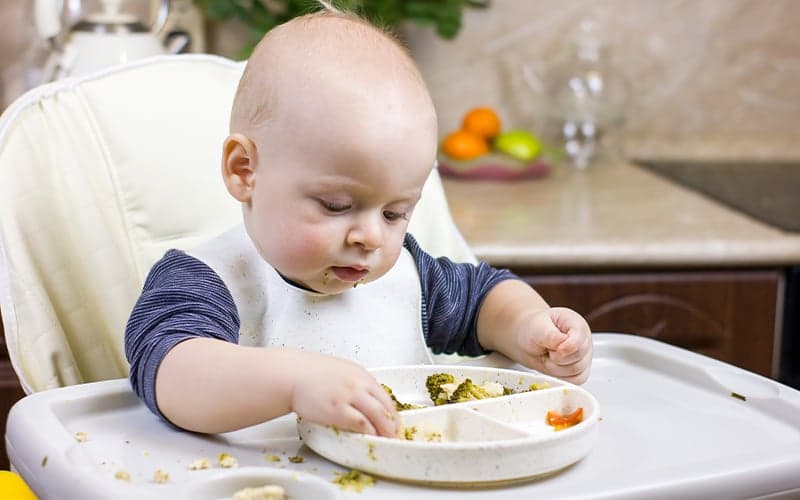
Supplementation 1.0: What You Will Definitely Need
It's no coincidence that they say happy mom, happy baby, so when starting supplementation, it's important to think about the baby AND yourself!
I myself naturally advocate for homemade vegetable and fruit purees and encourage you to make whatever you can. But this doesn't mean you're a bad, lazy, or indifferent mom if you primarily turn your attention to jarred baby foods and purees. The quality time spent together, the reassurance that you can always whip up something tasty for the little one in any situation, and personal time are very important, and no one knows better than you what is best for you both.
However, if you decide to spend time preparing your baby's diet at home, let me recommend a few essentials you'll definitely need! It's best to get a steamer or a smaller pot that you'll use exclusively for preparing the little one's treats. Additionally, you'll need some high-quality silicone puree containers, two or three bibs to protect clothes, and of course, you'll need one or two baby plates and some cutlery. If you listen to me, you'll get a practical, transparent, and information-rich baby cookbook, even tuned to allergen-free recipes!
The Party Begins!
Starting supplementation sets you and your baby on an exciting and adventurous path that you must travel together. The most important thing is no pressure, stress, or anxiety! This shared journey playing with flavors, textures, colors, and shapes will provide many opportunities and memories for both of you. Let the little one experience their own limits, try themselves out, splash, taste, and feel!
Cleaning and messy clothes are nothing compared to the happiness that healthy, properly developing, smart and clever little ones bring to parents.
Important! If the little one doesn't like their neck being touched, rejects food, eats too much or too little, seems unable to swallow properly, or doesn't really like anything, first step back. Seek advice from a pediatrician or health visitor, take the signs seriously, and if necessary, give the child time before trying again! If the child feels everything is okay and there's no pressure, everything will go much more smoothly.
