
 Discount prices
 Save the food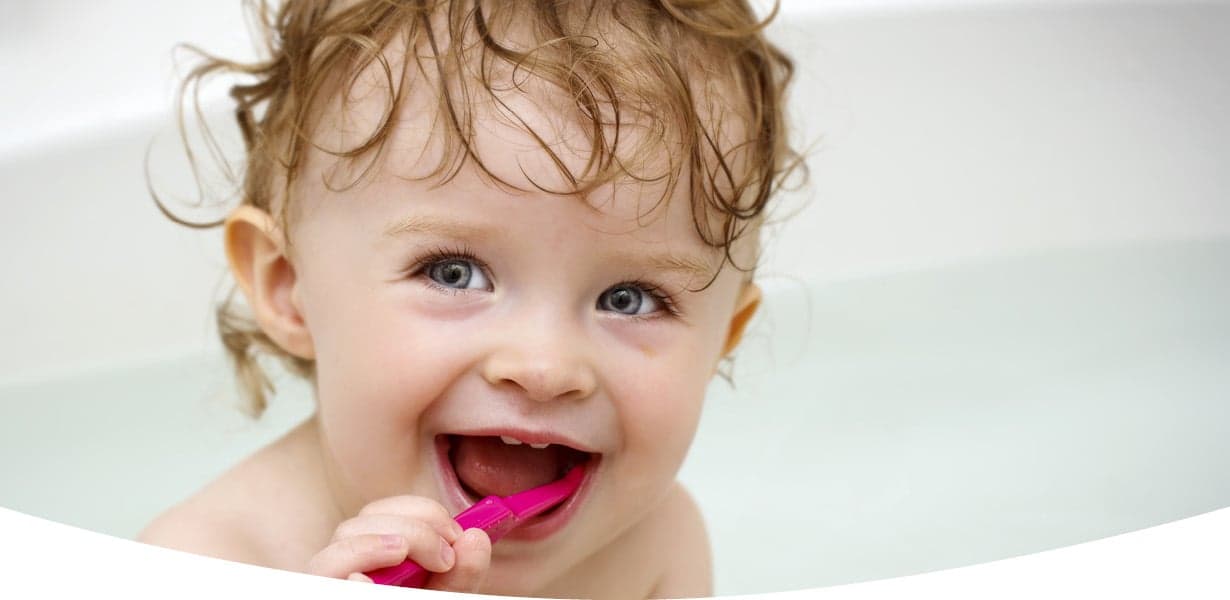
Dental Care and Oral Hygiene for Babies
Establishing a tooth brushing routine is a perpetual dilemma for mothers, as there are numerous recommendations on what, when, and how to do it. The most important thing is to take the task seriously from the early stages of the baby's life and establish a routine to maintain oral hygiene! This way, it will become a completely natural part of the daily activities for the little one.
Without regular, thorough, and effective dental care and maintaining the balance of oral hygiene, the likelihood of decay in milk teeth, which are much less protected against harmful effects than permanent teeth, increases. Bad or missing teeth not only pose an aesthetic problem but also a health risk, as incomplete or damaged teeth can affect sound formation and speech clarity.
Oral hygiene from the first moment
The twenty milk teeth of babies are already waiting to emerge from the moment of the little ones' birth. Although some babies show signs of teething as early as two to three months - increased salivation, chewing on fists, sensitive gums to touch, etc. - the first teeth usually emerge around the sixth-seventh month, but the 12-13 month period is not considered unusual either.
Before the appearance of the first small teeth, dental care is not necessary, but cleaning the oral cavity twice a day with a toothbrush glove reserved for this purpose or with a damp gauze is recommended. However, after the emergence of the first tooth, it is important to take a step forward in dental care: using a finger toothbrush or a toothbrush developed for babies, teeth must be brushed twice a day!
There's nothing wrong if the baby just chews on the toothbrush, this is almost natural! Over time, however, they will get used to us 'fiddling' in their mouth and the routine of healthy dental care will develop.
What to pay attention to during dental care
To make dental care truly enjoyable, exciting for the little one, and effective from the perspective of the baby's or toddler's health, we need to make decisions on some important issues.
1. What toothbrush should we buy for the baby?
In the initial period, it is advisable to choose toothbrushes that can be pulled onto the parent's finger, but later opt for easily graspable, ergonomically designed ones developed for babies. It is important for the baby to learn the necessary movements even in the early stages of dental care! Let them unfold and only brush the teeth ourselves as a kind of check at the end of the process!
Later, as the baby grows, choose a toothbrush with soft bristles appropriate for their age characteristics and replace it regularly! Since the little one will likely chew on the end of the toothbrush, we will need a new one on average every month. In older age, when tooth brushing is more result- and goal-oriented, replacing the brushes every two months may be sufficient.
2. What toothpaste should we use during dental care?
There is a lot of talk about the harmful effects of fluoride toothpastes, but it is also important to keep in mind that fluoride protects against tooth decay. Therefore, it is worth choosing fluoride toothpastes developed for young children for our child, among which the little ones usually prefer fruity flavors.
3. Who brushes the little one's teeth?
Strive to make dental care a part of the child's daily routine and an individual responsibility! To this end, let them brush their teeth from the beginning, and as adults, only check - and if necessary, correct! - the result.
4. What to pay attention to during tooth brushing?
During tooth brushing - precisely because of the fluoride content of children's toothpaste and because children are not yet able to spit out the foaming toothpaste in their mouth - avoid the large amounts of toothpaste seen in advertisements! For effective and thorough tooth brushing, babies and toddlers only need a small pea-sized amount of toothpaste.
If we help with tooth brushing as adults, remember that pressing the toothbrush too hard on the teeth and gums is harmful to both the gums and tooth enamel. We don't need to overdo anything, just strive for the optimal!
5. How can we encourage children to brush their teeth regularly?
To maintain the balance of oral hygiene, at least two tooth brushings a day are necessary. We can encourage children to brush their teeth regularly by setting a good example ourselves and supporting them in learning through imitation, that is, regularly brushing our teeth with them! This way, children not only learn the circular, horizontal, and vertical movements necessary for immaculate cleanliness but also realize that tooth brushing can even be a shared fun activity.

Dentist Anxiety: When You Have to Go
Fear of the dentist, also known as dentophobia, is not uncommon, but its development can be avoided if we introduce our children to the secrets of the dental office in time. While most young children only go to the dentist when an acute problem arises, it would be worthwhile to take every little one to a specialist around their third birthday.
This way, the dentist can examine the general condition of the child's teeth, make suggestions for correcting any dental care mistakes, and reduce the level of anxiety that may develop in the child.
Tooth Decay? No, Thanks!
The resistance of milk teeth is significantly lower than that of permanent teeth, making milk teeth much more vulnerable to decay and other diseases. To prevent the early deterioration of the child's teeth, which can affect both their self-image and speech formation, it is important to strive for awareness in both oral hygiene and diet.
Avoid:
1. drinking cocoa or milk drinks in bed after brushing teeth and before sleeping;
2. nighttime formula consumption (if possible);
3. consumption of fruit juices, syrups, and other high-sugar drinks;
4. adding sugar or honey to teas;
5. eating sweets, especially those containing refined sugars!
Remember! Establishing a routine of dental care and oral hygiene is one of the most important investments in our children's future, as strong and healthy teeth serve us for a lifetime!
